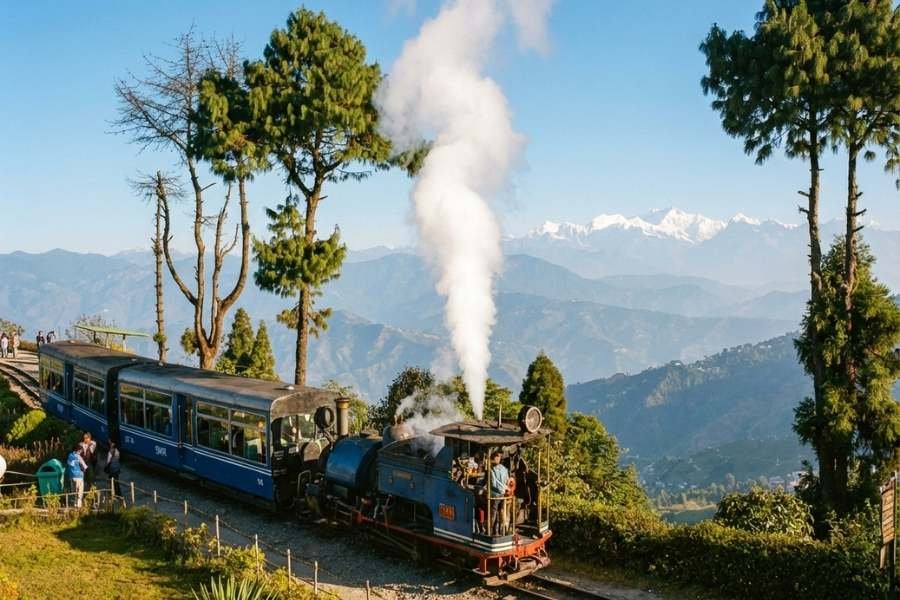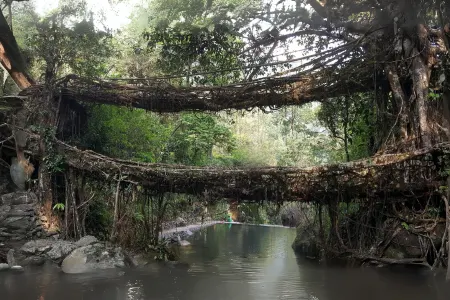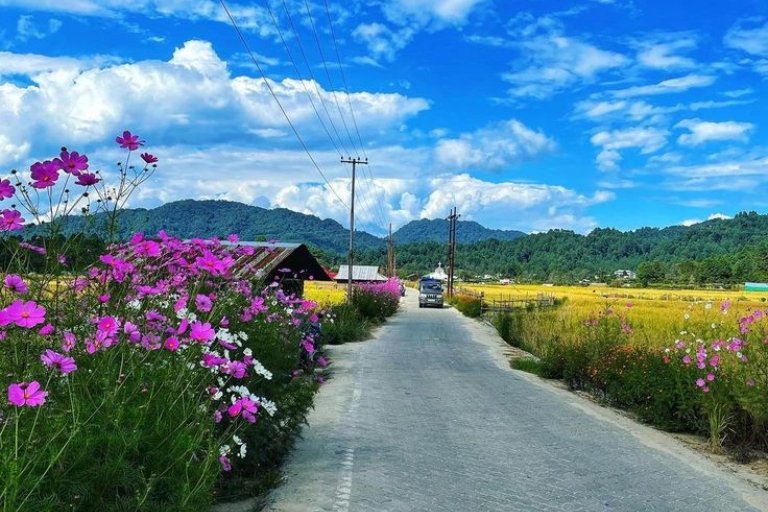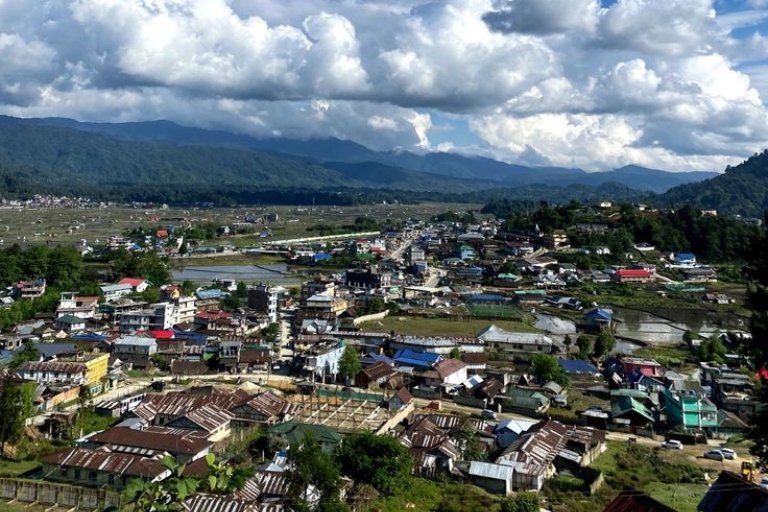
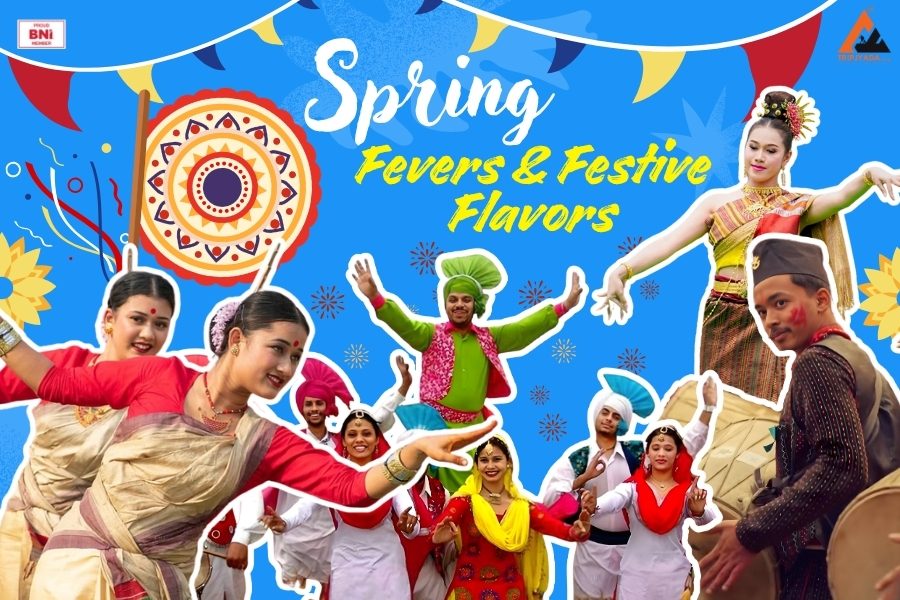
April in India is more than just the beginning of summer; it’s a season of new beginnings, harvest celebrations, and vibrant cultural festivals in India that bring the entire country to life. As the winter chill fades away and spring takes full bloom, the country transforms into a vibrant canvas of colors, rhythms, and flavors. Different regions of India welcome their regional New Year festivals, each with its own traditions, colors, and stories.
With pleasant weather in many regions and a calendar full of events, planning an April travel itinerary in India around these festivals lets you experience the country beyond just its destinations; you get to feel its heartbeat, traditions, and local life. If the travel bug bites you and you’re looking for an excuse to pack your bags, you’re in the right place.
At Tripjyada, we believe that the best way to explore India is through its cultural heartbeat. So, grab your travel journal! Here is our curated list of the most incredible festivals in April that you absolutely need to experience at least once in your lifetime.
Read More… 2026 Travel Checklist: The Must-Visit Places for the Himalayas
- Baisakhi, Punjab: The Rhythms of the Golden Harvest
When you think of Punjab in April, imagine endless fields of golden wheat, the resounding beats of the dhol, and an infectious energy that makes it impossible to stand still. Celebrated with immense enthusiasm across Punjab and parts of North India, Baisakhi marks the harvest of Rabi crops, especially wheat, bringing joy and relief to farmers after months of hard work.
What makes Baisakhi so special?
As April arrives, the fields of Punjab turn golden, and the air fills with celebration. Villages and cities come alive with music, dance, and devotion.
Key Highlights:
- Energetic Bhangra and Gidda performances in open fields and community spaces
- Spiritual visits to Gurudwaras, especially the iconic Golden Temple
- Langar (community meals) served to thousands, promoting equality and togetherness
- Bustling fairs (melas) with local handicrafts, food stalls, and cultural shows
Explore… Festival of Sikkim: A Guide to the Top 5 Cultural Celebrations
Travel & Cultural Experience:
Experiencing Baisakhi in Punjab offers a truly immersive cultural journey:
- Witness rural life during peak harvest season
- Taste authentic Punjabi cuisine like makki di roti & sarson da saag
- Join local celebrations and understand Sikh traditions up close
- Bohag Bihu in Assam: Celebration of Spring & Assamese New Year
Bohag Bihu, popularly known as Rongali Bihu, is the most vibrant and widely celebrated festival in Assam. Marking the Assamese New Year and the arrival of spring, this festival beautifully captures the spirit of renewal, joy, and community life in Northeast India. Assam sheds its winter quiet and erupts into a spectacular display of folk culture.
What Happens During Bohag Bihu:
- Energetic Bihu dance performances by young men and women dressed in traditional attire
- Soulful folk songs (Bihu geet) celebrating love, nature, and life
- Preparation and sharing of traditional Assamese delicacies like pitha, laru, and jolpan
- Exchange of gamosa (a symbolic cloth) as a gesture of respect and goodwill
- Community celebrations that continue for several days, blending rituals with festivities
Travel Experience During Bihu:
Experiencing Bohag Bihu as a traveler offers a rare glimpse into the authentic cultural fabric of Assam. Unlike commercial festivals in India, Bihu feels personal, warm, and deeply immersive.
You can:
- Witness live Bihu dance performances in villages and cultural grounds
- Interact with locals and understand their traditions
- Taste homemade festive food prepared with love
- Capture vibrant moments of one of the most colorful April festivals in India
For nature lovers, this is also a great time to visit Kaziranga National Park, where the lush greenery perfectly complements the festive mood.
- Vishu Festival in Kerala: Tradition, Prosperity & Spiritual
Vishu is one of the most significant spring festivals in India, celebrated across Kerala as the Malayali New Year. More than just a festival, Vishu represents a fresh start, filled with hope, prosperity, and positive energy for the year ahead.
As the first light of Vishu morning breaks, homes across Kerala awaken to a sense of calm, devotion, and quiet excitement. Families believe that how you begin your Vishu day sets the tone for the entire year, making every ritual deeply meaningful.
Unique Traditions of Vishu:
Vishu is known for its beautiful and symbolic customs that connect spirituality with everyday life.
- Vishu Kani: The most important ritual, where an arrangement of auspicious items like rice, fruits, gold, a mirror, and lamps is prepared the night before.
- Vishu Kaineettam: Elders give money to younger family members, symbolizing the sharing of prosperity and blessings.
- Sadya (Festive Feast): A grand vegetarian meal served on banana leaves, featuring authentic Kerala dishes like avial, sambar, thoran, and payasam.
- Fireworks and Temple Visits: The day is filled with joy, as people light crackers and visit temples to seek blessings for a prosperous year.
Read More… Durga Puja In The Hills: A Mesmerizing Blend of Faith in Sikkim & Darjeeling
Cultural Importance of Vishu:
Vishu beautifully reflects Kerala’s deep-rooted values of gratitude, renewal, and spiritual harmony. It marks the transition of the sun into Aries (Mesha Sankranti), which is considered astrologically significant in Hindu tradition.
The festival in India is not loud or chaotic; it’s peaceful, intentional, and deeply personal. It encourages people to:
- Start the year with clarity and positivity
- Express gratitude for abundance and nature
- Strengthen family bonds through shared rituals
This makes Vishu one of the most meaningful cultural festivals in South India.
- Poila Boisakh in West Bengal: Bengalis’ New Year Celebration
Poila Boisakh, lovingly called Noboborsho, marks the beginning of the Bengali calendar and is one of the most emotionally rooted and culturally vibrant festivals in April in India. Celebrated across Kolkata and throughout West Bengal, this day is all about fresh starts, family bonding, food, and tradition.
Unlike many festivals in India, Poila Boisakh carries a deeply personal touch; it’s the day Bengalis clean their homes, wear new clothes, visit temples, and step into the new year with hope and positivity.
How is Poila Boisakh celebrated?
- Cultural Programs & Rabindra Sangeet: The day begins with soulful songs of Rabindranath Tagore, dance performances, and community gatherings that reflect Bengal’s artistic heritage.
- Traditional Attire & Festive Spirit: People dress in elegant red-and-white sarees, kurta-pajamas, and ethnic wear, adding a visual charm to the streets and celebrations.
- Hal Khata, A Unique Business Tradition: Shopkeepers and businesses open new account books called Hal Khata, inviting customers for sweets and goodwill, symbolizing prosperity and new financial beginnings.
- Bengali Food & Sweets Culture: No celebration is complete without indulging in authentic Bengali delicacies like rosogolla, mishti doi, sandesh, luchi-alur dom, and fish curries, making it a paradise for food lovers exploring festival food in Kolkata.
Cultural Significance & Emotional Connect:
Poila Boisakh is more than just a New Year; it’s a celebration of identity, heritage, and togetherness. It reflects Bengal’s rich cultural roots, where literature, music, and food come together beautifully.
From early morning temple visits to evening cultural shows, the entire day feels like a blend of nostalgia and celebration, making it one of the most authentic cultural festivals in India.
- Sangken Festival in Arunachal Pradesh: The Water Festival of India
Sangken is one of the most unique and culturally rich festivals in Northeast India, celebrated with deep devotion and joy in parts of Arunachal Pradesh, especially among the Khamti, Singpho, and Theravada Buddhist communities. Observed in mid-April, Sangken marks the traditional New Year festival in Arunachal Pradesh and symbolizes purification, renewal, and a fresh beginning.
What Makes Sangken Special?
At its heart, Sangken is about washing away negativity and welcoming positivity. The rituals are simple yet deeply meaningful, making it one of the most authentic Buddhist festivals in India.
Festival Highlights:
- Ritual bathing of Buddha idols with clean water symbolizes the purification of the soul.
- A gentle water sprinkle among people, representing the cleansing of past sins and bad energy
- Visits to monasteries for prayers, chanting, and spiritual gatherings
- Cultural programs showcasing local traditions, attire, and music
- A strong sense of community harmony, peace, and togetherness
Cultural & Spiritual Significance
Sangken is deeply rooted in Theravada Buddhism, where water is considered sacred and purifying. During the festival, Buddha statues are temporarily placed in beautifully decorated pandals, and devotees pour water over them as a mark of respect.
This act is not just ritualistic; it reflects a deeper belief in letting go of the past and starting anew, making Sangken highly relevant in today’s fast-paced world. Interestingly, Sangken shares similarities with Southeast Asian festivals like Thailand’s Songkran, reinforcing cultural connections across Buddhist regions.
- Nepali New Year (Naya Barsha): A Celebration of New Beginnings
Nepali New Year, popularly known as Naya Barsha, marks the beginning of the new year according to the traditional Bikram Sambat calendar. Celebrated primarily in Nepal, this vibrant festival usually falls in mid-April, coinciding with the arrival of spring and a renewed sense of life and energy. Unlike the Gregorian New Year on January 1st, Naya Barsha carries deep cultural, historical, and spiritual importance for the Nepali people.
Cultural Significance
Naya Barsha is more than just a date change; it represents renewal, hope, and positivity. Rooted in ancient traditions, the festival symbolizes the following:
- A fresh start: People let go of past regrets and embrace new goals and aspirations.
- Spiritual cleansing: Many visit temples to offer prayers and seek blessings for prosperity and happiness.
- Community bonding: The festival strengthens relationships, as families and friends gather to celebrate together.
In cities like Kathmandu, the New Year is celebrated with great enthusiasm, featuring cultural programs, street festivals, and traditional music. One of the most famous celebrations takes place in Bhaktapur during the Bisket Jatra festival, where chariot processions and rituals attract both locals and tourists.
Why April is the Best Month to Experience Indian Festivals
April stands out because it brings together the following:
- Multiple regional New Year celebrations
- Harvest festivals across India
- Cultural diversity in one single month
Key Reasons to Explore:
- Rich cultural experiences and traditions
- Ideal for festival tourism in India
- Great time for photography and storytelling
- Opportunity to explore both mainstream and offbeat destinations
Turn Festivals into Unforgettable Journeys with Tripjyada
Festivals in April in India are more than just dates on a calendar; they are living experiences filled with culture, color, and connection. From the harvest joy of Baisakhi to the vibrant spirit of Bohag Bihu, the traditions of Vishu, the charm of Poila Boisakh, and the uniqueness of Sangken, each celebration offers something truly special.
With well-planned India tour packages, especially for Northeast India festival tours, you can comfortably cover destinations such as Assam, Arunachal Pradesh, Sikkim, and Meghalaya. Our reliable Northeast cab services ensure smooth travel across scenic yet challenging terrains, making your journey safe and hassle-free.
Why Choose Tripjyada for Your Festival Travel?
- Customized April festival tour packages in India
- Reliable and comfortable northeast cab booking services
- Local expertise in Assam, Arunachal Pradesh, Sikkim, and Darjeeling tours
- Flexible itineraries focused on cultural tourism in India
Whether you’re looking for a Bohag Bihu tour in Assam, a Sangken festival trip in Arunachal Pradesh, or a complete Northeast India travel package, you can plan it all in one place.
Book your tour packages with Tripjyada and transform your April holidays into a journey filled with culture, celebration, and unforgettable memories.