Druk Path Trek
The Druk Path Trek is stunning and moderate in Bhutan, known for its breathtaking views of the Himalayas, lush forests, and serene lakes. Spanning 5 to 7 days, this trek connects the capital city of Thimphu with the cultural hub of Paro. The route covers about 70 kilometers, taking trekkers through a variety of landscapes, from dense pine forests to alpine meadows and past high-altitude lakes like Jimilang Tsho and Soma Tsho.
The Druk Path Trek is stunning and moderate in Bhutan, known for its breathtaking views of the Himalayas, lush forests, and serene lakes. Spanning 5 to 7 days, this trek connects the capital city of Thimphu with the cultural hub of Paro. The route covers about 70 kilometers, taking trekkers through a variety of landscapes, from dense pine forests to alpine meadows and past high-altitude lakes like Jimilang Tsho and Soma Tsho.
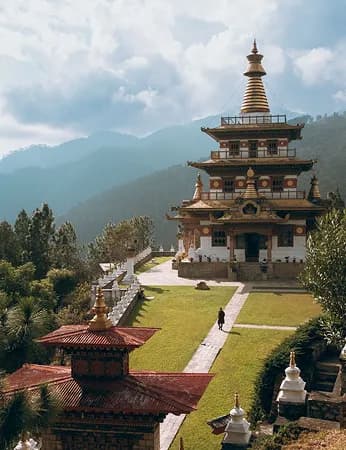
The trek’s highest point is at 4,310 meters (14,140 feet), offering spectacular panoramas of snow-capped peaks, including Mt. Jomolhari. Along the way, trekkers also experience Bhutan’s unique culture and traditions, passing by traditional villages, Buddhist monasteries, and prayer flags fluttering in the wind.
Jomolhari Trek
The Jomolhari Trek is one of Bhutan’s most renowned trekking routes, offering a breathtaking experience of the country’s natural beauty and cultural heritage. The trek typically lasts 8-10 days and covers approximately 150 kilometers, passing through diverse landscapes such as dense forests, alpine meadows, and high mountain passes.
The Jomolhari Trek is one of Bhutan’s most renowned trekking routes, offering a breathtaking experience of the country’s natural beauty and cultural heritage. The trek typically lasts 8-10 days and covers approximately 150 kilometers, passing through diverse landscapes such as dense forests, alpine meadows, and high mountain passes.
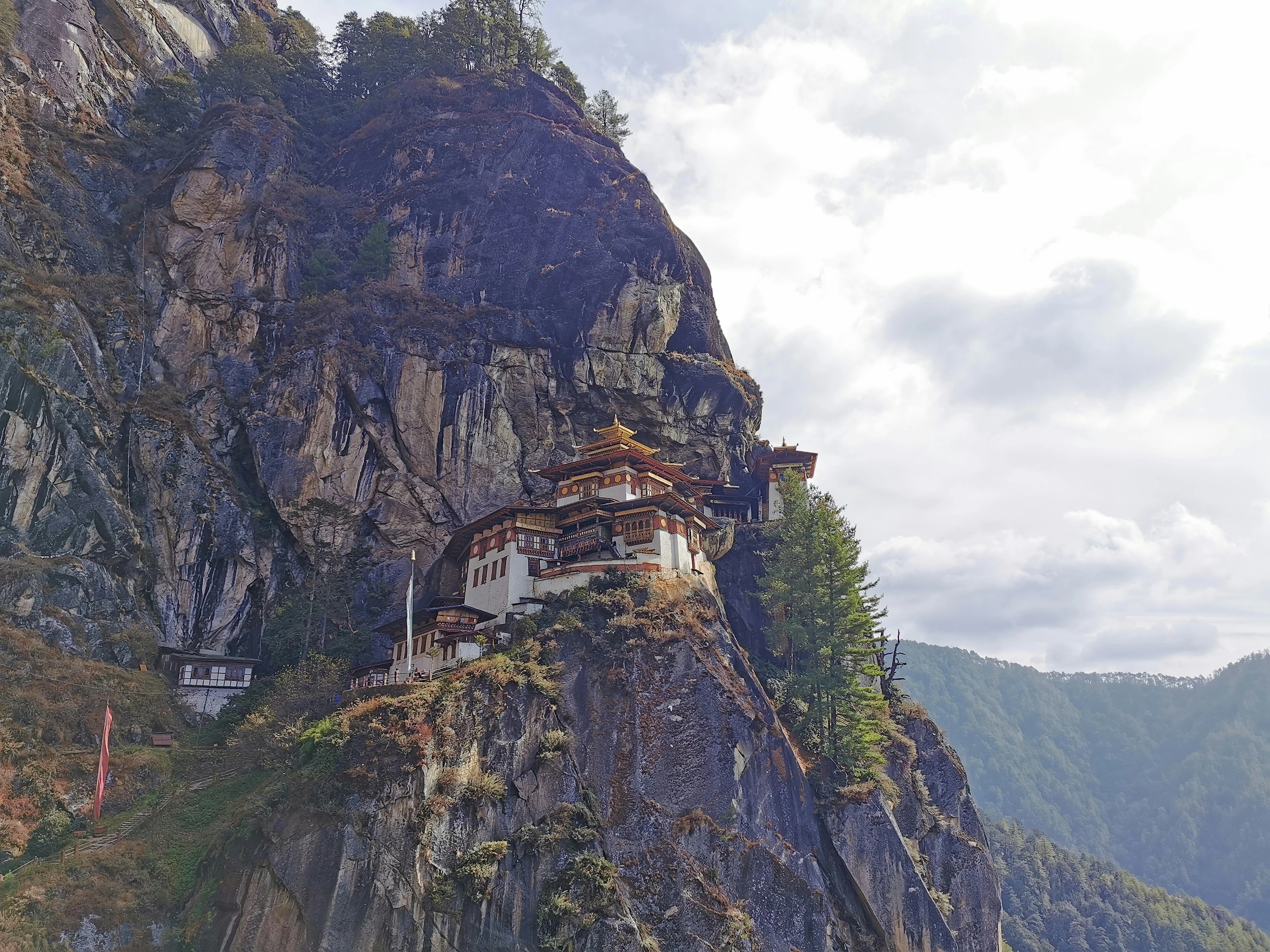
Starting from the Paro Valley, the trek ascends to the base of Mount Jomolhari (7,314 meters), a sacred peak in Bhutan and a symbol of spiritual significance for the local people. Along the route, trekkers experience the beauty of alpine lakes, traditional Bhutanese villages, and monasteries, including the renowned Taktshang Monastery (Tiger’s Nest).
The trek offers views of stunning Himalayan peaks, including Jomolhari, Jichu Drake, and Tshering Gang. The trail passes through the Shana and Soi Yaksa valleys, where trekkers may encounter wildlife such as blue sheep, takin, and the Himalayan black bear.
Due to its altitude and remote location, the trek requires physical preparation, and trekkers need to be acclimatized to avoid altitude sickness. The best time to undertake the Jomolhari Trek is during the spring (March-May) and autumn (September-November), when the weather is clear, and the landscapes are vibrant.
The Jomolhari Trek is a perfect blend of adventure, natural beauty, and Bhutanese culture, providing an unforgettable trekking experience for nature enthusiasts and those seeking spiritual insight.
The Snowman Trek
For serious trekkers, the Snowman Trek is a bucket-list experience. This challenging trek, regarded as one of the most difficult in the world, takes you through some of Bhutan’s most remote and pristine wilderness areas. Spanning about 200 kilometers, the trek crosses high mountain passes and offers incredible views of the Himalayan peaks, including the sacred Mt. Jomolhari and Mt. Gangkar Puensum.
For serious trekkers, the Snowman Trek is a bucket-list experience. This challenging trek, regarded as one of the most difficult in the world, takes you through some of Bhutan’s most remote and pristine wilderness areas. Spanning about 200 kilometers, the trek crosses high mountain passes and offers incredible views of the Himalayan peaks, including the sacred Mt. Jomolhari and Mt. Gangkar Puensum.
The Snowman Trek typically takes 25 days to complete and requires careful preparation and physical stamina. Along the way, you’ll pass through lush forests, alpine meadows, and traditional Bhutanese villages, offering a chance to experience rural Bhutan’s unique culture and way of life.
Attend the Tshechu Festivals
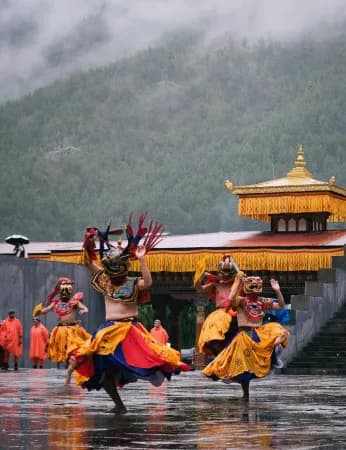
Bhutan’s annual Tshechu Festivals are colorful and vibrant celebrations of Bhutanese culture, religion, and history. These festivals are held in various regions of the country, and each one offers a unique experience. The festivals typically feature traditional dances, elaborate costumes, and spiritual rituals. One of the most famous Tshechu festivals is the Paro Tshechu, which occurs in spring.
Bhutan’s annual Tshechu Festivals are colorful and vibrant celebrations of Bhutanese culture, religion, and history. These festivals are held in various regions of the country, and each one offers a unique experience. The festivals typically feature traditional dances, elaborate costumes, and spiritual rituals. One of the most famous Tshechu festivals is the Paro Tshechu, which occurs in spring.
During these festivals, monks and laymen perform masked dances that represent various deities, saints, and historical figures. The dances are not only an important religious event but also a way for the Bhutanese people to come together to celebrate their heritage. Attending a Tshechu festival is a great way to immerse yourself in the local culture and witness the colorful and dramatic aspects of Bhutanese life.
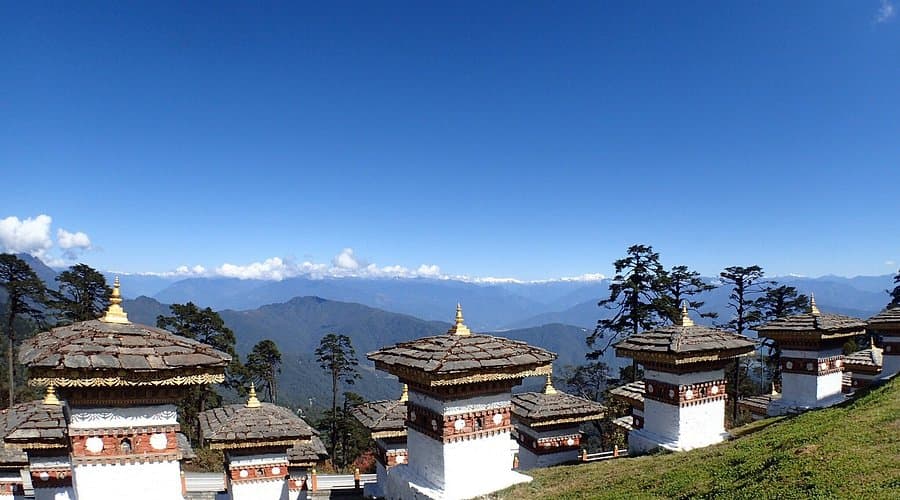
Hike to the Dochula Pass
Bhutan’s annual Tshechu Festivals are colorful and vibrant celebrations of Bhutanese culture, religion, and history. These festivals are held in various regions of the country, and each one offers a unique experience. The festivals typically feature traditional dances, elaborate costumes, and spiritual rituals. One of the most famous Tshechu festivals is the Paro Tshechu, which occurs in spring.
Bhutan’s annual Tshechu Festivals are colorful and vibrant celebrations of Bhutanese culture, religion, and history. These festivals are held in various regions of the country, and each one offers a unique experience. The festivals typically feature traditional dances, elaborate costumes, and spiritual rituals. One of the most famous Tshechu festivals is the Paro Tshechu, which occurs in spring.
During these festivals, monks and laymen perform masked dances that represent various deities, saints, and historical figures. The dances are not only an important religious event but also a way for the Bhutanese people to come together to celebrate their heritage. Attending a Tshechu festival is a great way to immerse yourself in the local culture and witness the colorful and dramatic aspects of Bhutanese life.
Rafting in Bhutan
Rafting in Bhutan is a thrilling way to experience the country’s pristine rivers and scenic landscapes. The country’s rivers, fed by the glacial waters of the Himalayas, offer a range of rafting experiences, from gentle, scenic floats to more challenging white-water rapids.
Rafting in Bhutan is a thrilling way to experience the country’s pristine rivers and scenic landscapes. The country’s rivers, fed by the glacial waters of the Himalayas, offer a range of rafting experiences, from gentle, scenic floats to more challenging white-water rapids.
The most popular rivers for rafting in Bhutan are the Pho Chhu and Mo Chhu rivers. The Pho Chhu, located near the Punakha Valley, is known for its moderate rapids and beautiful surroundings, making it ideal for both beginners and intermediate rafters. The Mo Chhu, which flows through the same valley, offers a slightly more challenging experience with exciting rapids.
For more adventurous rafters, the Wang Chhu and Drangme Chhu rivers offer higher-intensity rapids and more technical challenges. The Drangme Chhu, in particular, is a remote and wild river, flowing through Bhutan’s eastern part, offering an adrenaline-packed experience in a pristine, untouched environment.
Rafting trips in Bhutan typically involve a blend of exciting rapids and peaceful stretches, where you can enjoy stunning views of the mountains, valleys, and dense forests. In addition to the thrill of navigating the rivers, rafting in Bhutan also provides an opportunity to witness Bhutan’s unique culture, with opportunities to stop at ancient monasteries, villages, and fortresses along the way.
Zip lining in Bhutan
Zip lining in Bhutan offers a thrilling adventure set against the stunning backdrop of the Himalayas. Known for its pristine landscapes, serene monasteries, and rich cultural heritage, Bhutan also provides adrenaline seekers with the opportunity to experience the thrill of zip lining. One of the most famous zip-lining experiences is at the Chele La Pass, situated at an elevation of 3,988 meters (13,084 feet) above sea level. The pass connects Paro and Haa Valley and offers breathtaking views of snow-capped mountains, verdant valleys, and dense forests, making it a memorable location for zip lining.
Zip lining in Bhutan offers a thrilling adventure set against the stunning backdrop of the Himalayas. Known for its pristine landscapes, serene monasteries, and rich cultural heritage, Bhutan also provides adrenaline seekers with the opportunity to experience the thrill of zip lining. One of the most famous zip-lining experiences is at the Chele La Pass, situated at an elevation of 3,988 meters (13,084 feet) above sea level. The pass connects Paro and Haa Valley and offers breathtaking views of snow-capped mountains, verdant valleys, and dense forests, making it a memorable location for zip lining.
The zip line at Chele La is one of the highest in the world and features a 1,800-meter-long course that takes riders soaring at speeds of up to 80 km/h (50 mph). The ride offers stunning panoramic views of Bhutan’s majestic mountains and the tranquil environment that surrounds the area. This zip-line journey allows visitors to experience Bhutan’s natural beauty from a unique perspective while feeling the thrill of high-speed descent.
Apart from Chele La, Bhutan also offers other zip-lining experiences, like those near Punakha and other locations that provide incredible scenery. Most operators ensure the highest safety standards and many travelers appreciate the unique blend of adventure and cultural immersion that Bhutan offers. Zip lining in Bhutan is a rare way to engage with nature while adding an exciting twist to any adventure itinerary.
Take a Traditional Bhutanese Hot Stone Bath
A unique experience in Bhutan is the traditional hot stone bath, which is a relaxing way to end a day of hiking or sightseeing. Hot stone baths are a centuries-old Bhutanese tradition believed to have therapeutic properties. The bath is made by placing heated stones in a wooden tub filled with water, and herbs are often added for their healing benefits.
A unique experience in Bhutan is the traditional hot stone bath, which is a relaxing way to end a day of hiking or sightseeing. Hot stone baths are a centuries-old Bhutanese tradition believed to have therapeutic properties. The bath is made by placing heated stones in a wooden tub filled with water, and herbs are often added for their healing benefits.
Many guesthouses and resorts in Bhutan offer hot stone baths, making it a perfect way to unwind and relax after a day of exploring. It’s a culturally significant experience and offers a deep connection to the natural healing traditions of Bhutan.
Visit the Phobjikha Valley and Gangtey Monastery
The Phobjikha Valley is one of the most beautiful and serene places in Bhutan, known for its vast open spaces, lush greenery, and tranquil atmosphere. The valley is a major winter habitat for the endangered black-necked cranes, which migrate to the area from Tibet each winter. The sight of these magnificent birds in flight is a highlight for wildlife enthusiasts.
The Phobjikha Valley is one of the most beautiful and serene places in Bhutan, known for its vast open spaces, lush greenery, and tranquil atmosphere. The valley is a major winter habitat for the endangered black-necked cranes, which migrate to the area from Tibet each winter. The sight of these magnificent birds in flight is a highlight for wildlife enthusiasts.
The Gangtey Monastery, located on a hilltop overlooking the Phobjikha Valley, is one of the oldest and most important monasteries in Bhutan. The monastery offers panoramic views of the valley and is a peaceful place to meditate and reflect. A visit to Phobjikha is a perfect way to experience Bhutan’s natural beauty and its commitment to preserving its wildlife and traditions.
Enjoy Bhutanese Cuisine
No trip to Bhutan would be complete without experiencing its unique cuisine. Bhutanese food is known for its hearty, flavorful dishes, often featuring chilies and cheese. Ema Datshi, a spicy dish made with chilies and cheese, is the national dish of Bhutan and a must-try for any visitor. Other popular dishes include Phaksha Paa (pork with red chilies), Jasha Maru (chicken with spices), and Momos (steamed dumplings).
No trip to Bhutan would be complete without experiencing its unique cuisine. Bhutanese food is known for its hearty, flavorful dishes, often featuring chilies and cheese. Ema Datshi, a spicy dish made with chilies and cheese, is the national dish of Bhutan and a must-try for any visitor. Other popular dishes include Phaksha Paa (pork with red chilies), Jasha Maru (chicken with spices), and Momos (steamed dumplings).
Eating at a traditional Bhutanese restaurant is an opportunity to immerse yourself in the country’s culinary culture, and many places also offer a chance to enjoy the unique Bhutanese style of dining, where meals are served family-style, and everyone shares the same dishes.
Experience the Peaceful Atmosphere of Bhutanese Monasteries
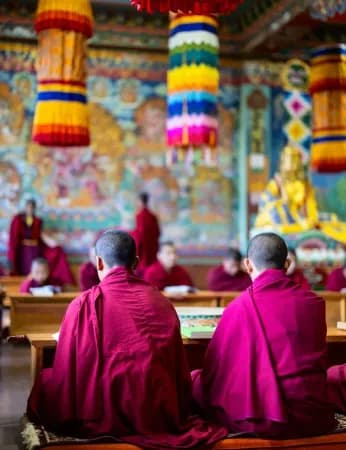
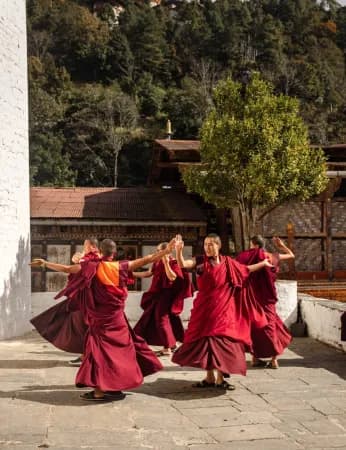
Throughout Bhutan, there are countless monasteries where visitors can experience the serenity and spiritual tranquility of the country. Many of these monasteries are open to visitors, allowing them to learn about Buddhism and engage in meditation.
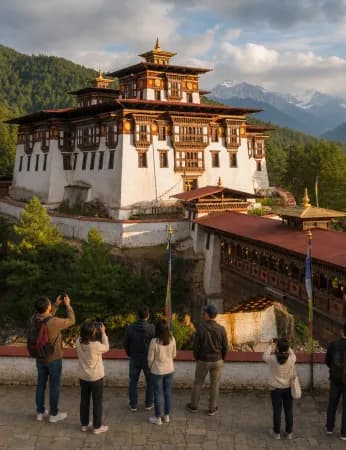
Throughout Bhutan, there are countless monasteries where visitors can experience the serenity and spiritual tranquility of the country. Many of these monasteries are open to visitors, allowing them to learn about Buddhism and engage in meditation. Monasteries such as Tashichho Dzong in Thimphu, Chimi Lhakhang in Punakha, and Rinpung Dzong in Paro are examples of stunning places where one can explore Bhutan’s rich spiritual heritage.