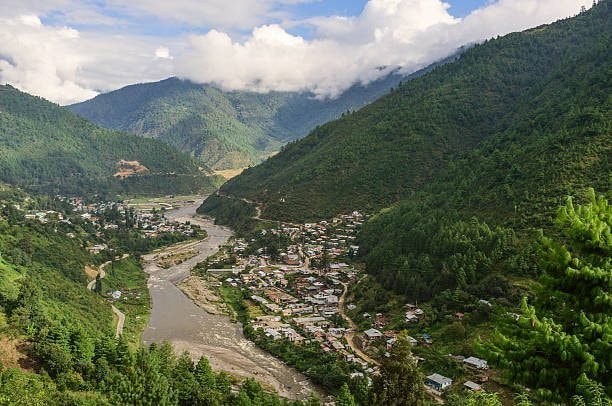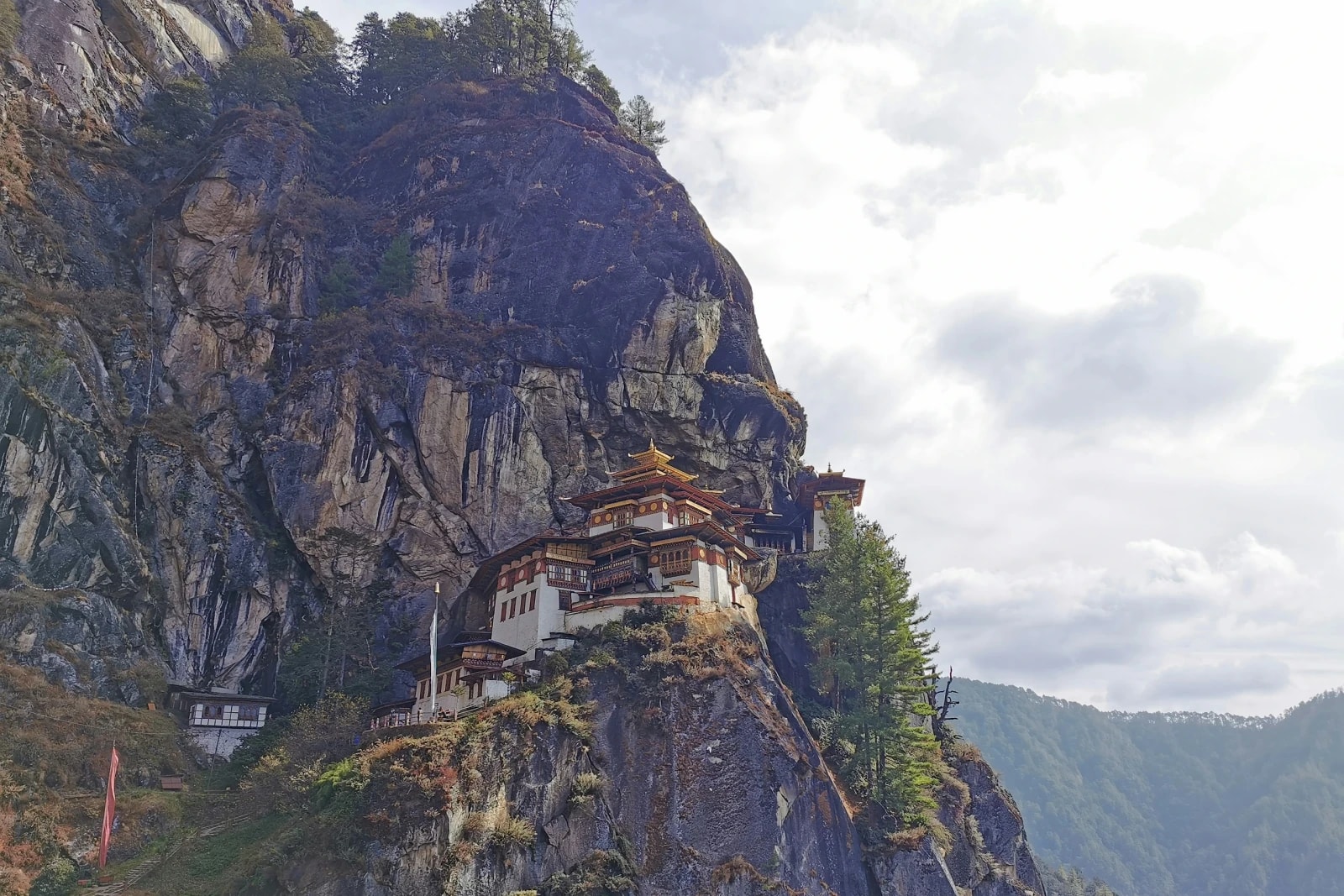
Paro Taktsang, known as the Tiger's Nest, is a monastery built into a cliff face above Paro valley and Bhutan's most recognisable pilgrimage site. Reaching it means a half-day hike rather than a drive.
The Legend
According to an 8th-century legend, Guru Padmasambhava (Guru Rinpoche) flew to this cliff from Tibet on the back of a tigress and meditated in a cave here for three years, three months, three weeks, three days and three hours, subduing evil spirits and spreading Buddhism through Bhutan. The monastery itself was built around that cave in 1692, under Bhutan's ruler…
According to an 8th-century legend, Guru Padmasambhava (Guru Rinpoche) flew to this cliff from Tibet on the back of a tigress and meditated in a cave here for three years, three months, three weeks, three days and three hours, subduing evil spirits and spreading Buddhism through Bhutan.
The monastery itself was built around that cave in 1692, under Bhutan's ruler Tenzin Rabgye, and remains an active meditation retreat.
Trek Overview
- Starting Point: Base camp, at 2,600 m elevation
- Distance: ~4 km one way
- Duration: 4–5 hours round trip
- Difficulty: Moderate to challenging
- Altitude Gain: 520 m
The Route
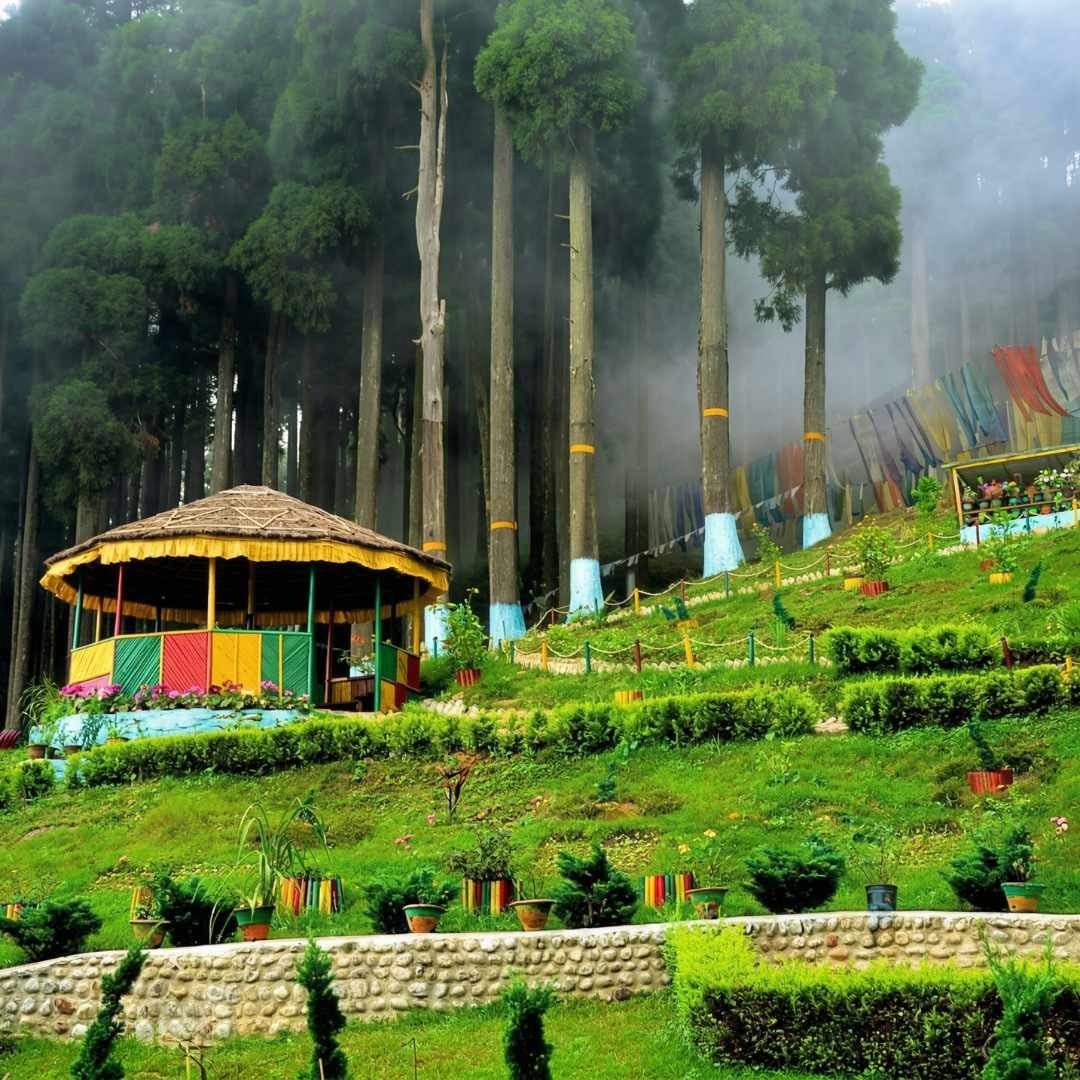
The trail starts through pine, oak and rhododendron forest hung with prayer flags. About an hour in, the Taktsang Viewpoint Café offers the first clear look at the monastery and a chance to rest over butter tea. From there the trail steepens, dropping into a gorge, crossing a bridge over a waterfall, and climbing a final run of stone steps…
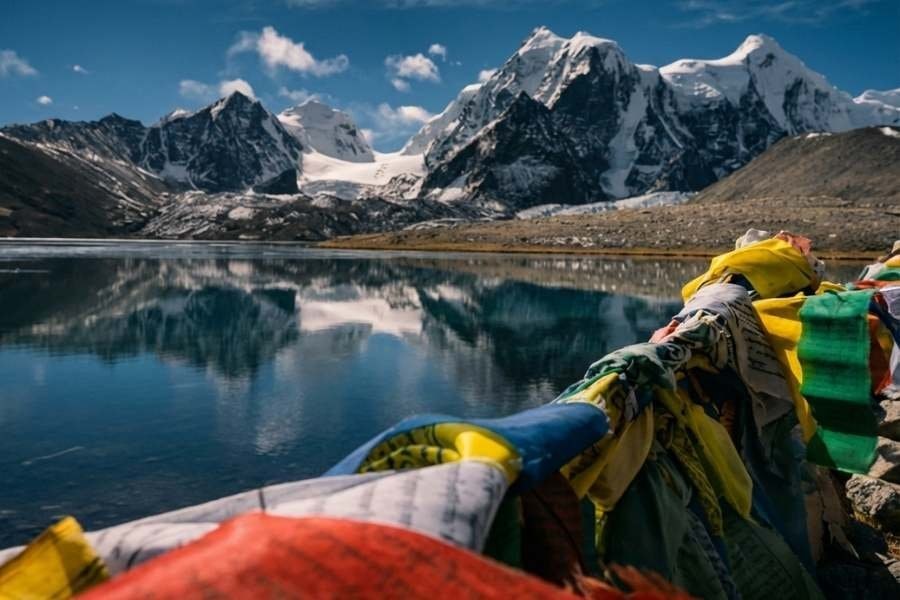
The trail starts through pine, oak and rhododendron forest hung with prayer flags. About an hour in, the Taktsang Viewpoint Café offers the first clear look at the monastery and a chance to rest over butter tea.
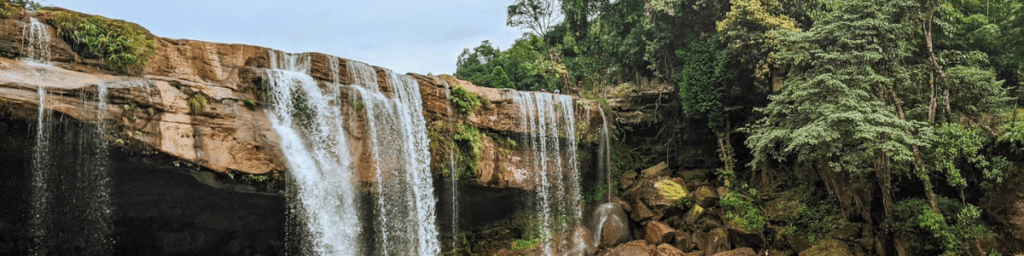
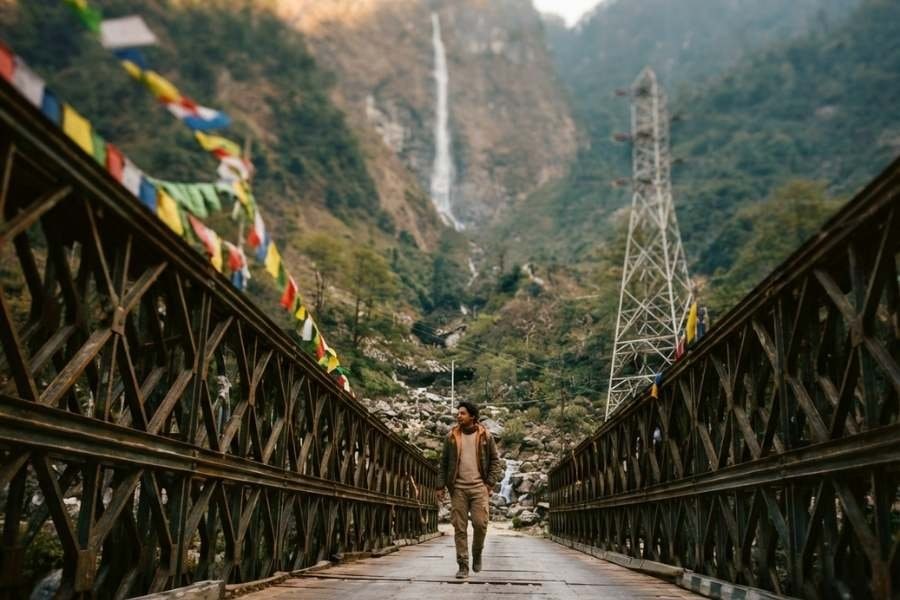
From there the trail steepens, dropping into a gorge, crossing a bridge over a waterfall, and climbing a final run of stone steps to the monastery entrance.
Inside the Monastery
The complex holds several temples with gold Buddha statues, murals and butter lamps, including Guru Rinpoche's original meditation cave. Photography isn't permitted inside, and visitors are expected to dress modestly, covering shoulders and legs.
Best Time to Trek
- Spring (March–May): Rhododendrons in bloom and comfortable temperatures.
- Autumn (September–November): Clear skies and the best visibility of the monastery.
- Winter (December–February): Fewer crowds and occasional snow on the trail.
- Monsoon (June–August): Best avoided — heavy rain, mud and landslide risk.
Trekking Tips
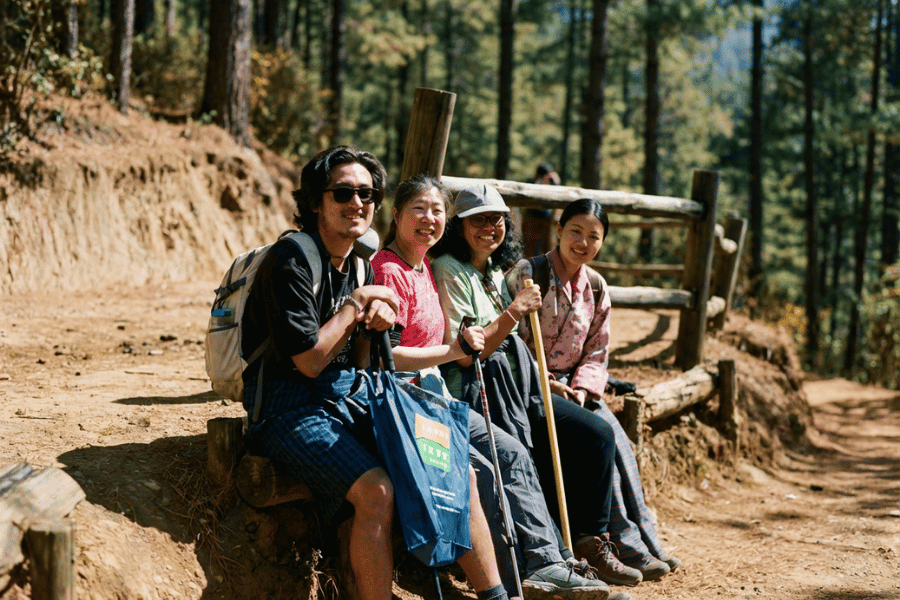
- Start early: Gives the full 4–5 hours of daylight the round trip needs.
- Wear sturdy shoes: The trail has steep, sometimes slippery sections.
- Stay hydrated: Carry water and light snacks.
- Use a walking stick: Helpful for balance on the steeper stretches.
- Dress respectfully: Modest clothing is expected at this active religious site.
Nearby Sights
- Kyichu Lhakhang: One of Bhutan's oldest temples, built in the 7th century.
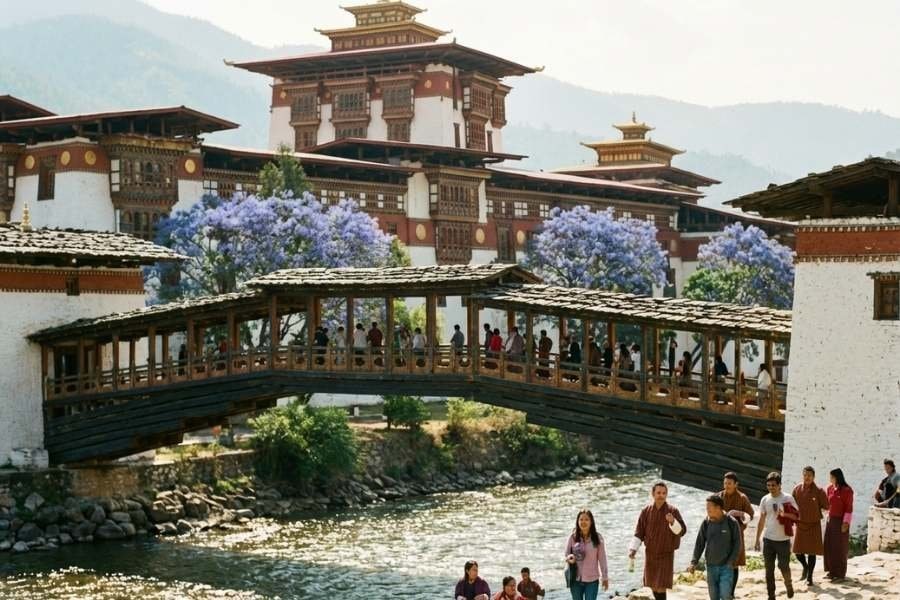
- Rinpung Dzong (Paro Dzong): A fortress-monastery that hosts the annual Paro Tshechu festival.
- Chele La Pass: Bhutan's highest motorable pass, with views of the snow-capped Himalayas.
- Drukgyel Dzong: A ruined fortress that once defended Bhutan from Tibetan invasions.