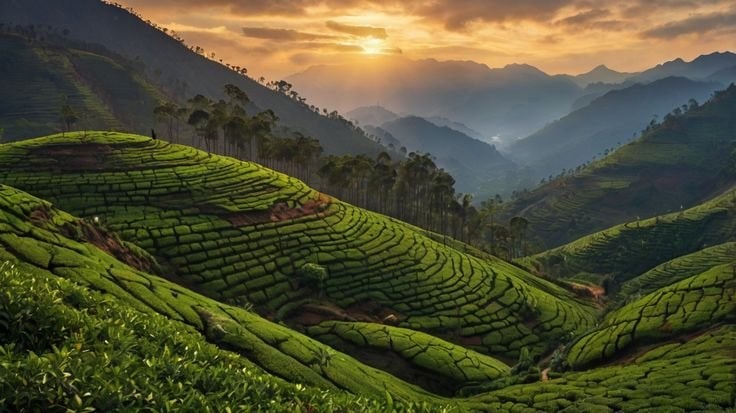
Bhutan pairs a capital city where modern life sits alongside centuries-old tradition with cliffside monasteries, high mountain valleys and some of the strictest environmental protections in the world.
History
In the 8th century, the Buddhist master Guru Padmasambhava is said to have brought Tantric Buddhism to Bhutan, meditating in the cliffside cave that later became Taktsang (Tiger's Nest) Monastery in Paro. In the 17th century, Zhabdrung Ngawang Namgyel unified Bhutan into a single nation and built the network of dzongs — fortress-monasteries that served as administrative and spiritual centres,…
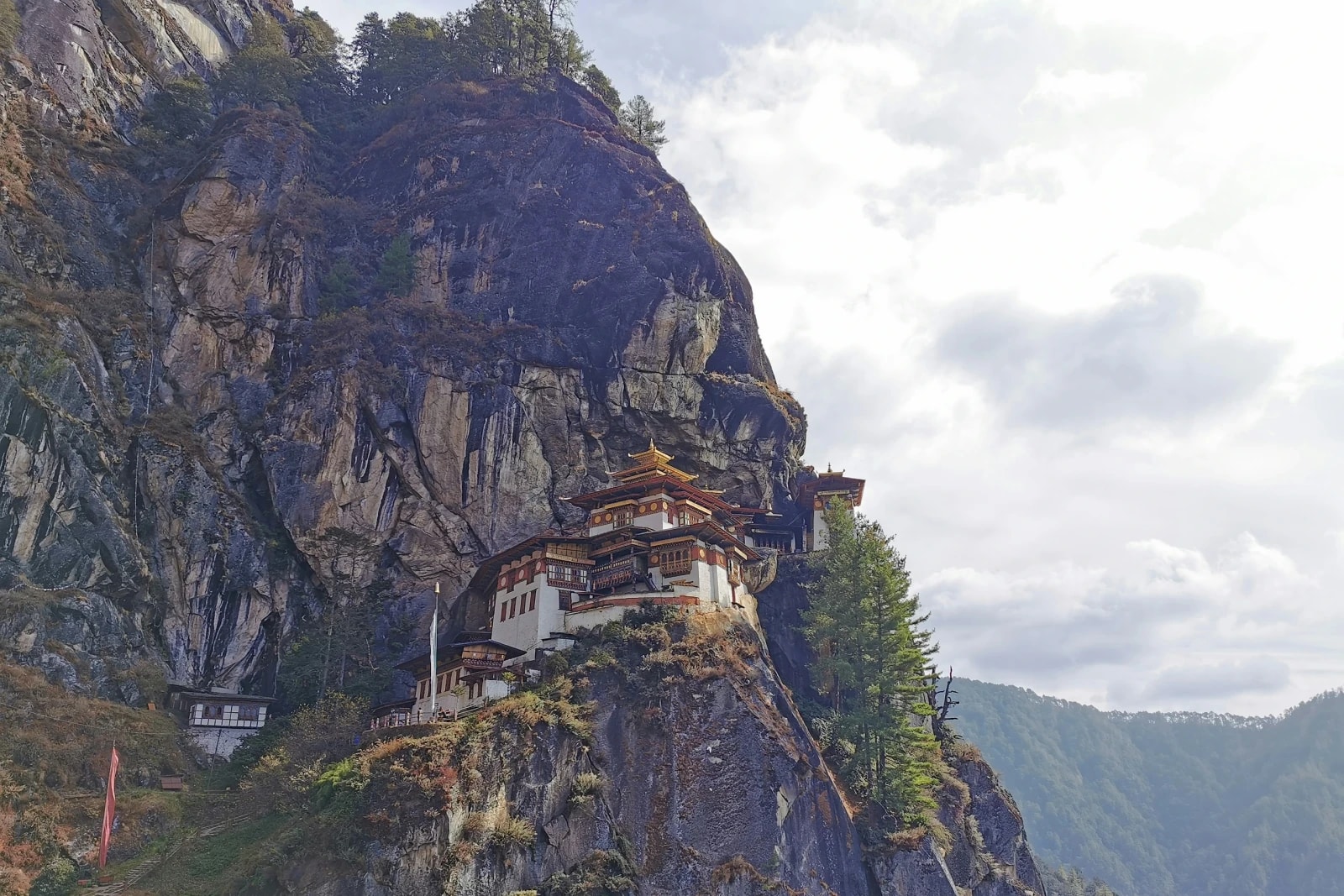
In the 8th century, the Buddhist master Guru Padmasambhava is said to have brought Tantric Buddhism to Bhutan, meditating in the cliffside cave that later became Taktsang (Tiger's Nest) Monastery in Paro.
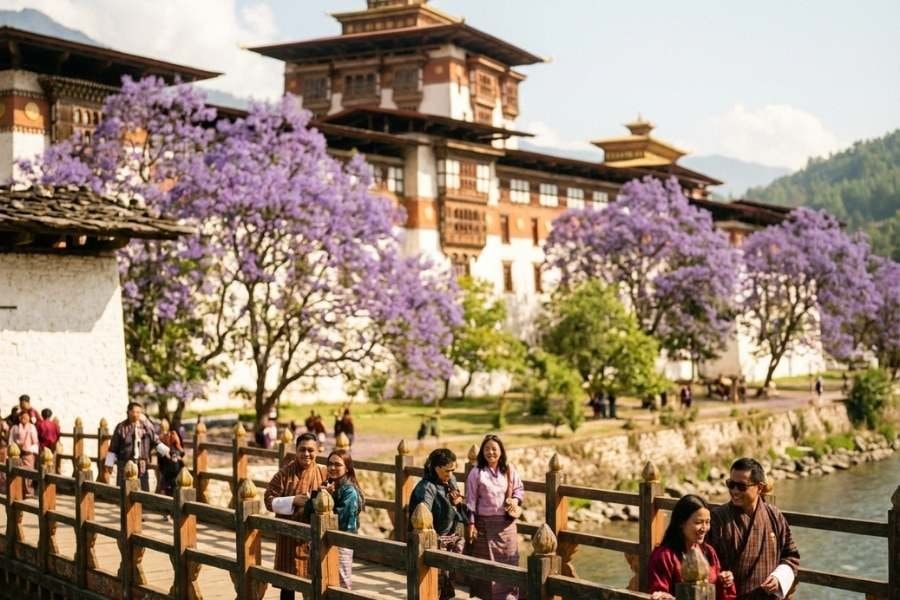
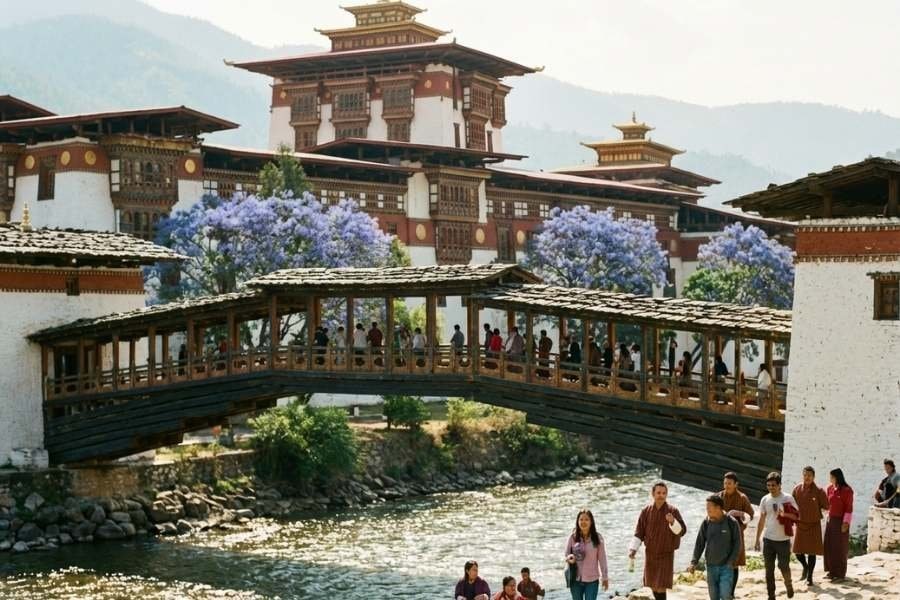
In the 17th century, Zhabdrung Ngawang Namgyel unified Bhutan into a single nation and built the network of dzongs — fortress-monasteries that served as administrative and spiritual centres, including Punakha Dzong.
Bhutan transitioned to a constitutional monarchy in 2008, blending modern governance with its older traditions.
Culture and Traditions
Buddhism runs through daily life in Bhutan, from prayer flags and monastery chanting to the masked dances performed at Tshechu festivals. Bhutanese national dress — the gho for men and kira for women — is worn with pride as a marker of regional identity. Bhutan's guiding development philosophy is Gross National Happiness, which frames the country's approach to balancing tradition…
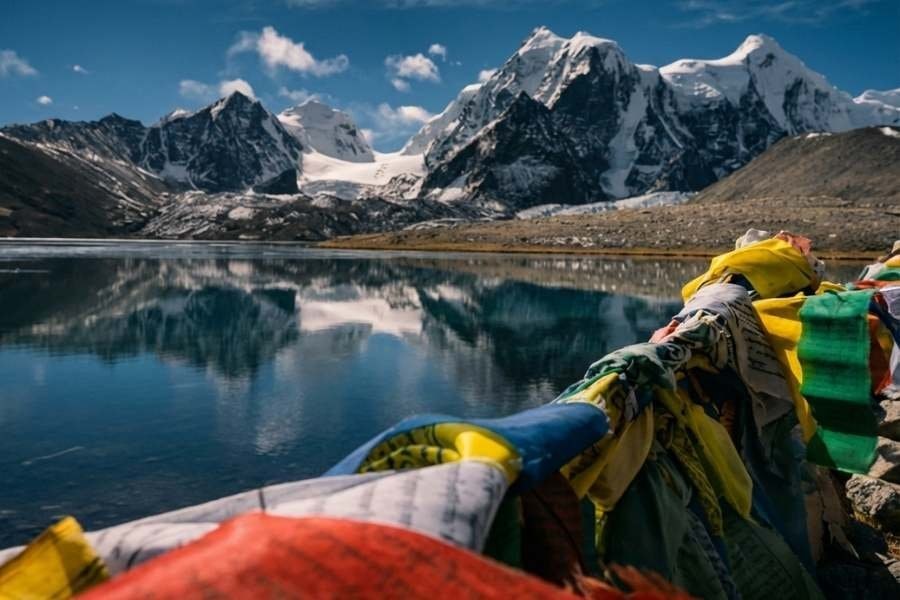
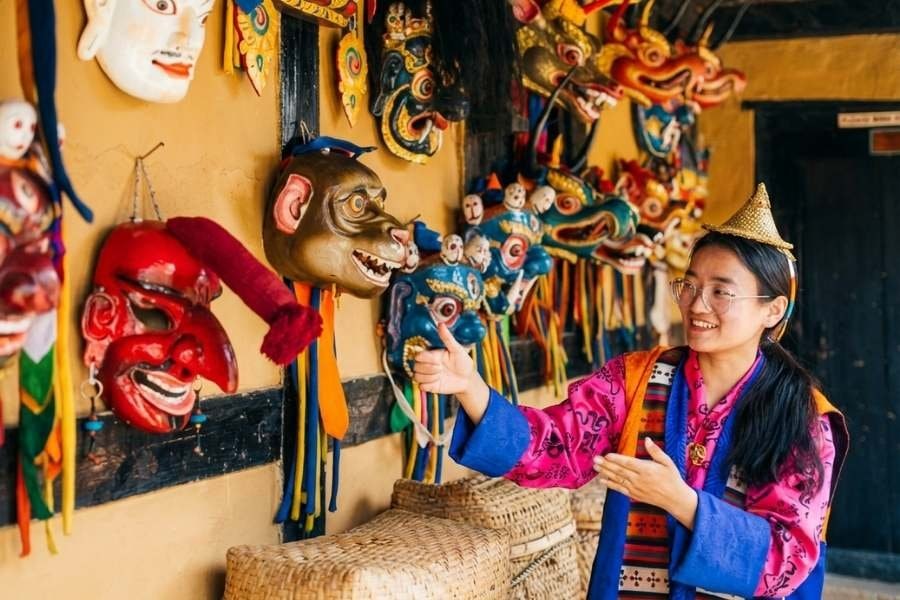
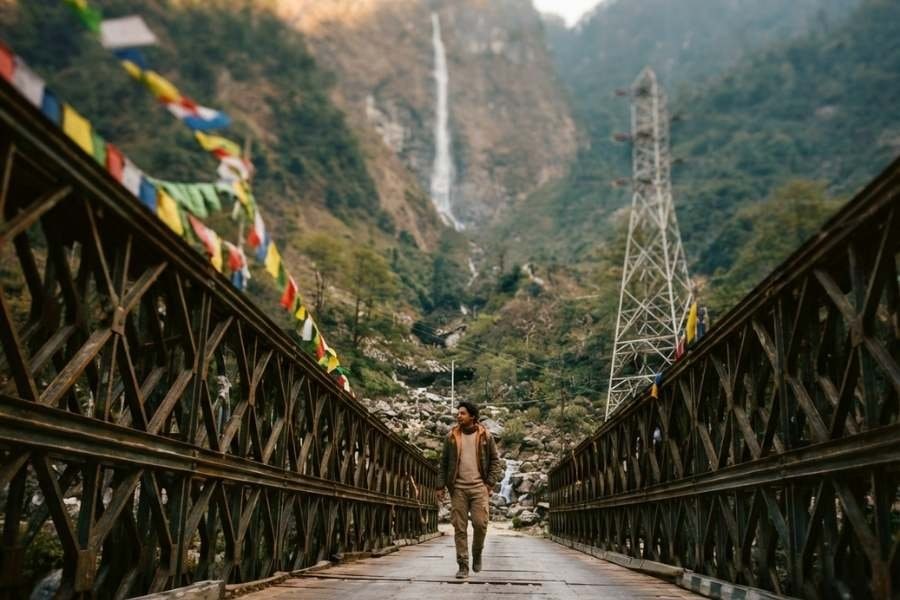
Buddhism runs through daily life in Bhutan, from prayer flags and monastery chanting to the masked dances performed at Tshechu festivals. Bhutanese national dress — the gho for men and kira for women — is worn with pride as a marker of regional identity.
Bhutan's guiding development philosophy is Gross National Happiness, which frames the country's approach to balancing tradition with modernisation.
Cuisine
- Ema Datshi: Bhutan's national dish — chilies in a creamy cheese sauce.
- Phaksha Paa: A pork stew made with dried chilies and radish.
- Jasha Maru: A spiced chicken dish cooked with fresh tomatoes.
- Hoentay: Dumplings filled with local greens and cheese, especially associated with Haa Valley.
- Suja: Bhutan's salted butter tea.
- Puta: Buckwheat noodles served with butter, popular in Bumthang.
Adventure Activities
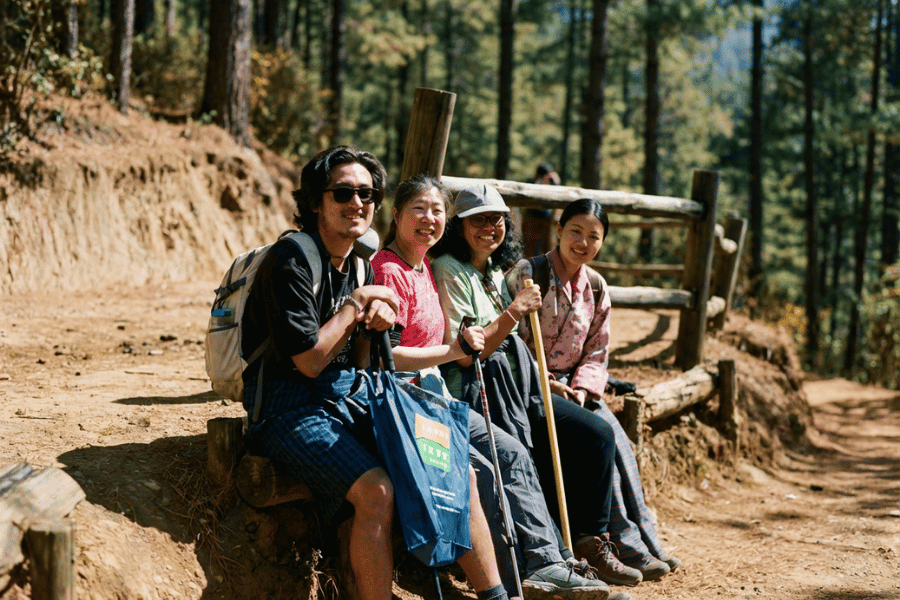
- Tiger's Nest hike: A half-day climb to Taktsang Monastery above Paro valley.
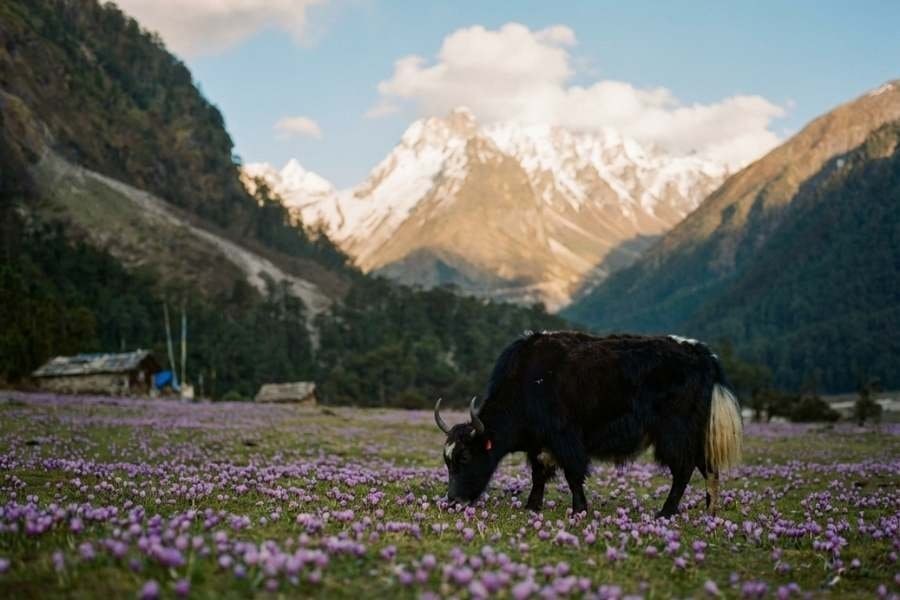
- Snowman Trek: A roughly 25-day high-altitude route, considered one of the world's most demanding treks.
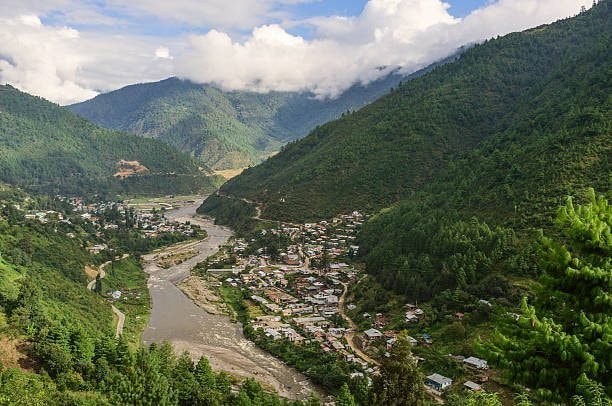
- Whitewater rafting: Runs on the Pho Chhu River near Punakha, past dzongs and valley scenery.
- Mountain biking: Trails with views of snow-capped peaks and traditional villages.
- Archery: Bhutan's national sport, with demonstrations and visitor participation especially around Bumthang.
- Birdwatching: Phobjikha Valley is the winter home of the endangered black-necked crane.
Iconic Landmarks
- Taktsang Monastery (Tiger's Nest): A monastery built into a cliff face above Paro, 3,000 metres above sea level.
- Punakha Dzong: Known as the "Palace of Great Happiness," at the confluence of the Pho Chhu and Mo Chhu rivers.
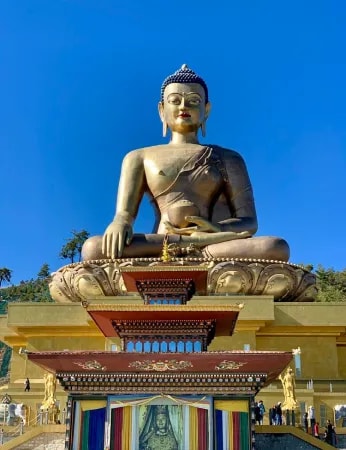
- Buddha Dordenma: A gilded Buddha statue over 50 metres tall, overlooking Thimphu.
- Phobjikha Valley: A glacial valley and winter home to the black-necked crane.
- Dochula Pass: A mountain pass marked by 108 chortens, with panoramic Himalayan views.