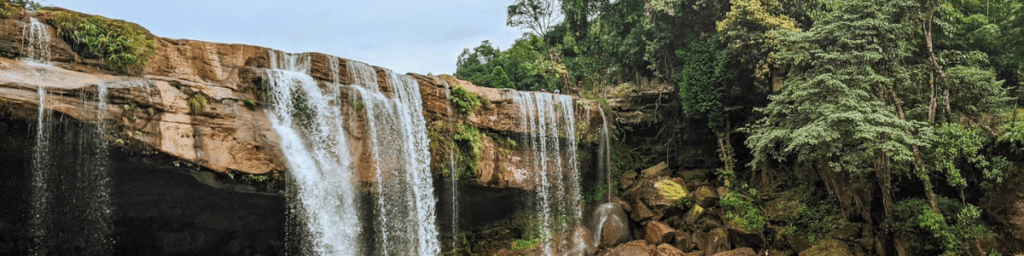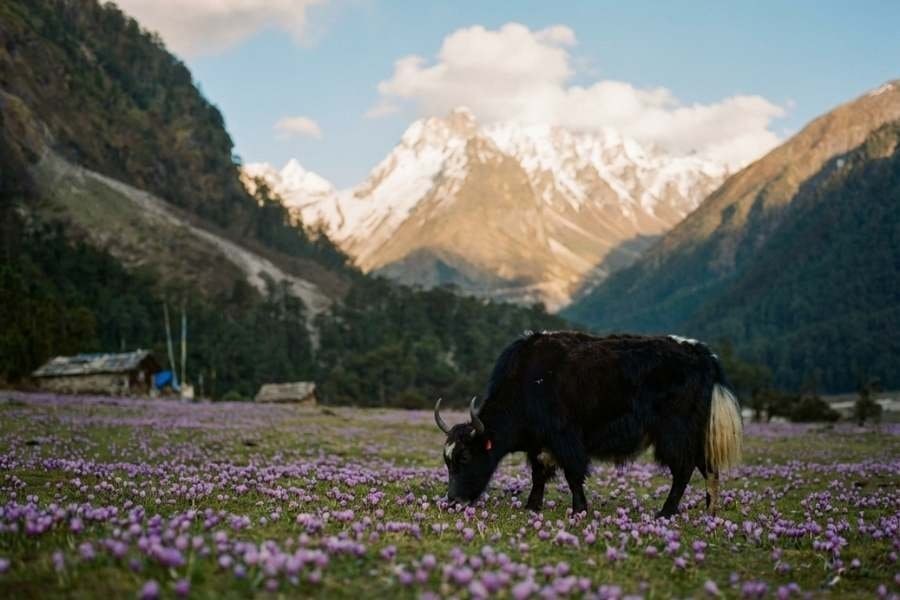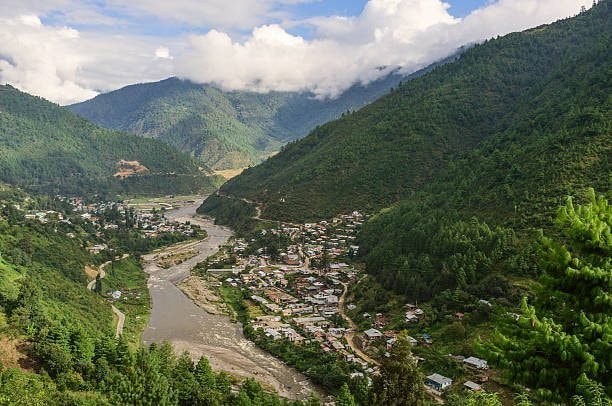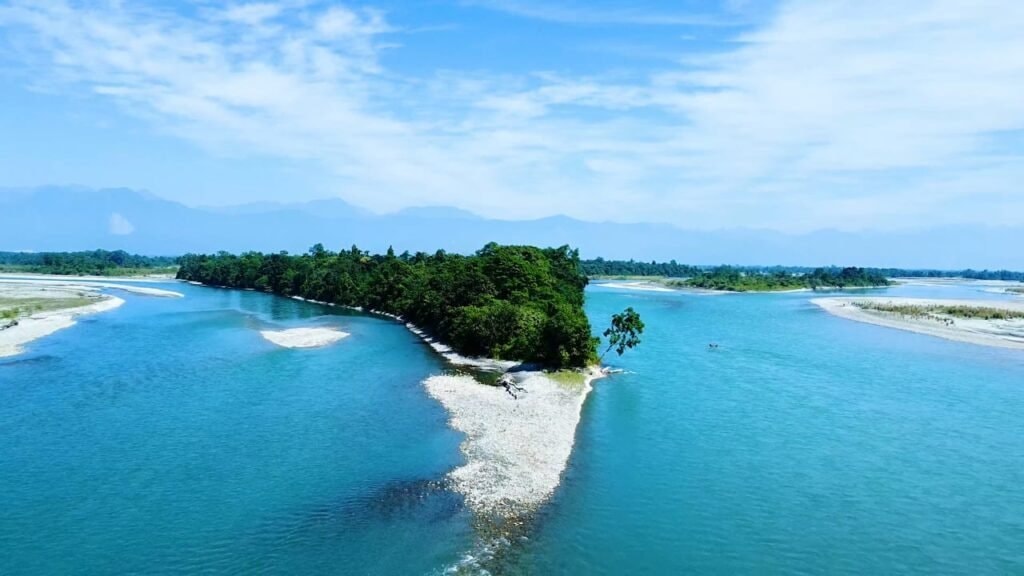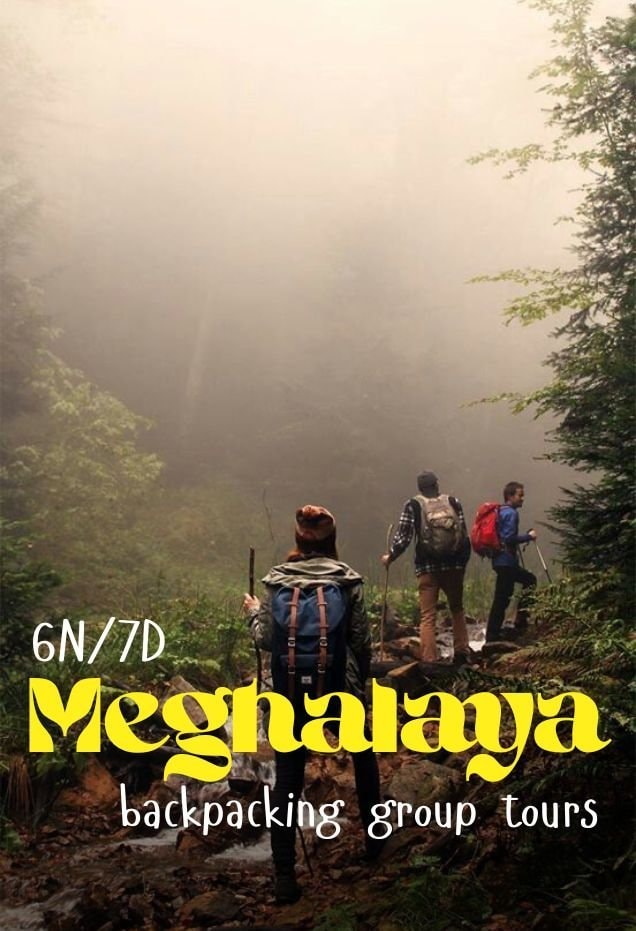
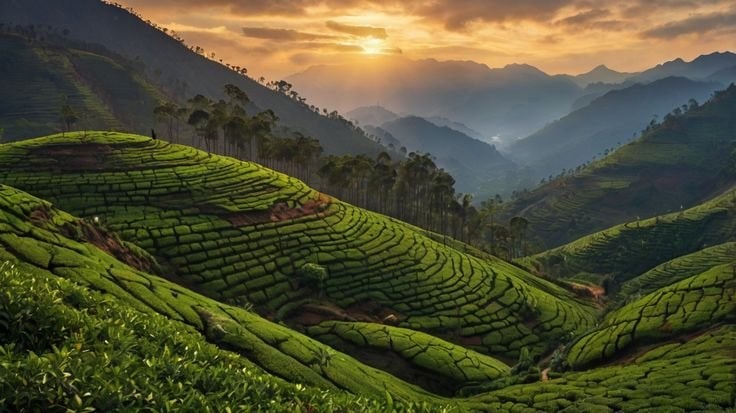
Meghalaya, meaning "the abode of clouds," is a hill state in Northeast India known for misty landscapes, clear rivers and living root bridges grown by hand over generations. Most visits combine a handful of hill towns and villages, each built around a different natural feature.
History
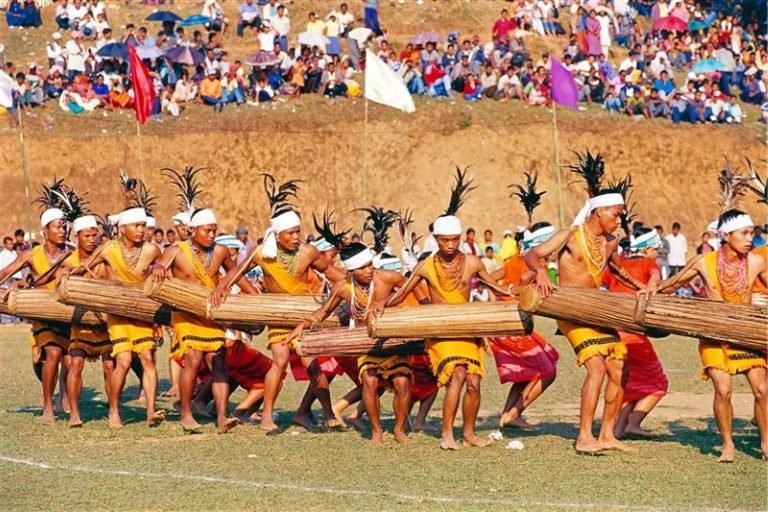
Meghalaya's history is shaped by three tribal communities — the Khasi, Jaintia and Garo — each with its own kingdom and traditions predating British rule. The state was carved out of Assam in 1972, but its distinctive matrilineal society, in which property and family names pass through the mother's line, has remained intact throughout. Khasi resistance to colonial rule is…
Meghalaya's history is shaped by three tribal communities — the Khasi, Jaintia and Garo — each with its own kingdom and traditions predating British rule. The state was carved out of Assam in 1972, but its distinctive matrilineal society, in which property and family names pass through the mother's line, has remained intact throughout.
Khasi resistance to colonial rule is remembered through figures like U Tirot Sing, a Khasi chief who led an uprising against the British in the 1830s.
Lesser-Known Facts
- The World's Wettest Village: Mawsynram, near Cherrapunji, receives over 11,800 mm of rain a year, making it the wettest inhabited place on Earth — even wetter than its better-known neighbour.
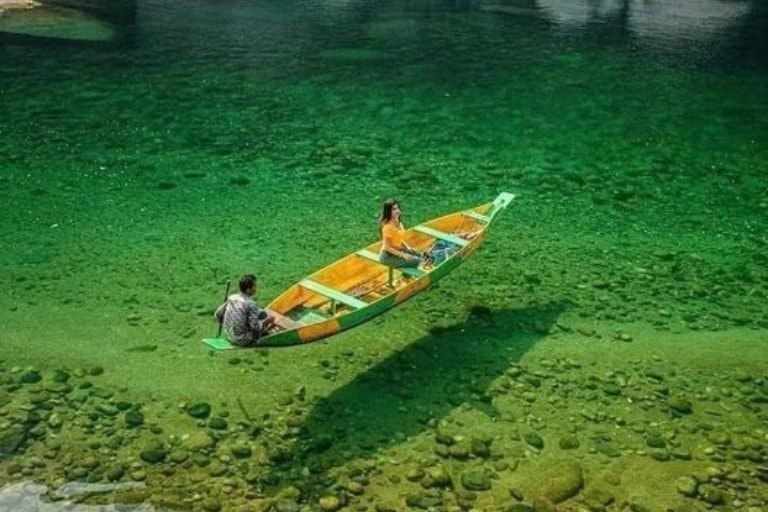
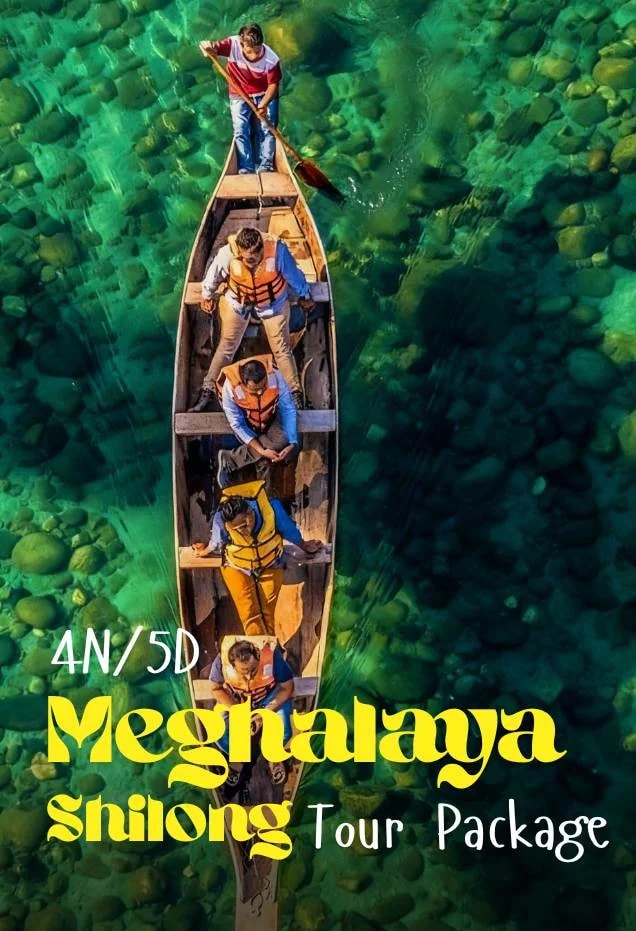
- A River You Can See Through: The Umngot River at Dawki is so clear that boats appear to float in mid-air, kept clean by strict local environmental rules.
- A Matrilineal Society: Property and surnames in Meghalaya pass down through the mother's line, one of the few societies in the world organised this way.
- Caves Older Than Dinosaurs: Meghalaya's cave systems contain rock formations dated to more than 350 million years old.
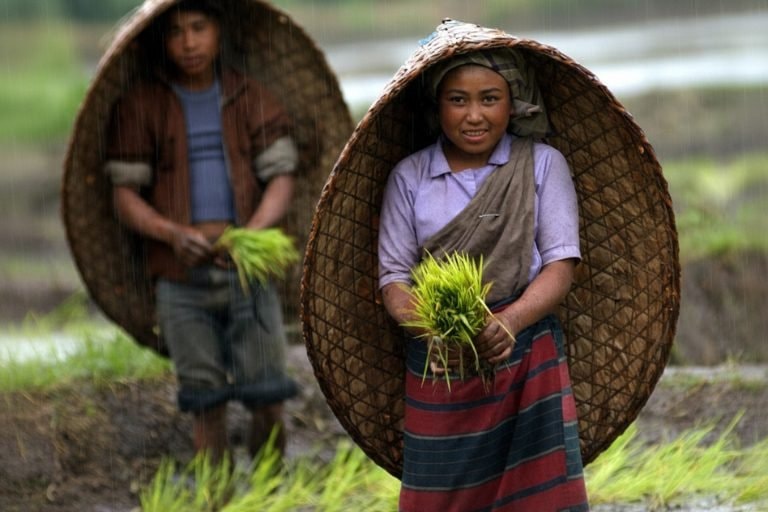
- Bamboo-Drip Irrigation: Local farmers still use an old bamboo-pipe irrigation system, considered one of the earliest drip-irrigation techniques in Asia, that waters crops with almost no waste.
Where to Go
- Shillong: The state capital, nicknamed the “Scotland of the East” for its colonial-era charm. Highlights include Umiam Lake for boating, the three-tiered Elephant Falls, Shillong Peak for city views, Ward's Lake, and the Don Bosco Museum on Northeast Indian culture.
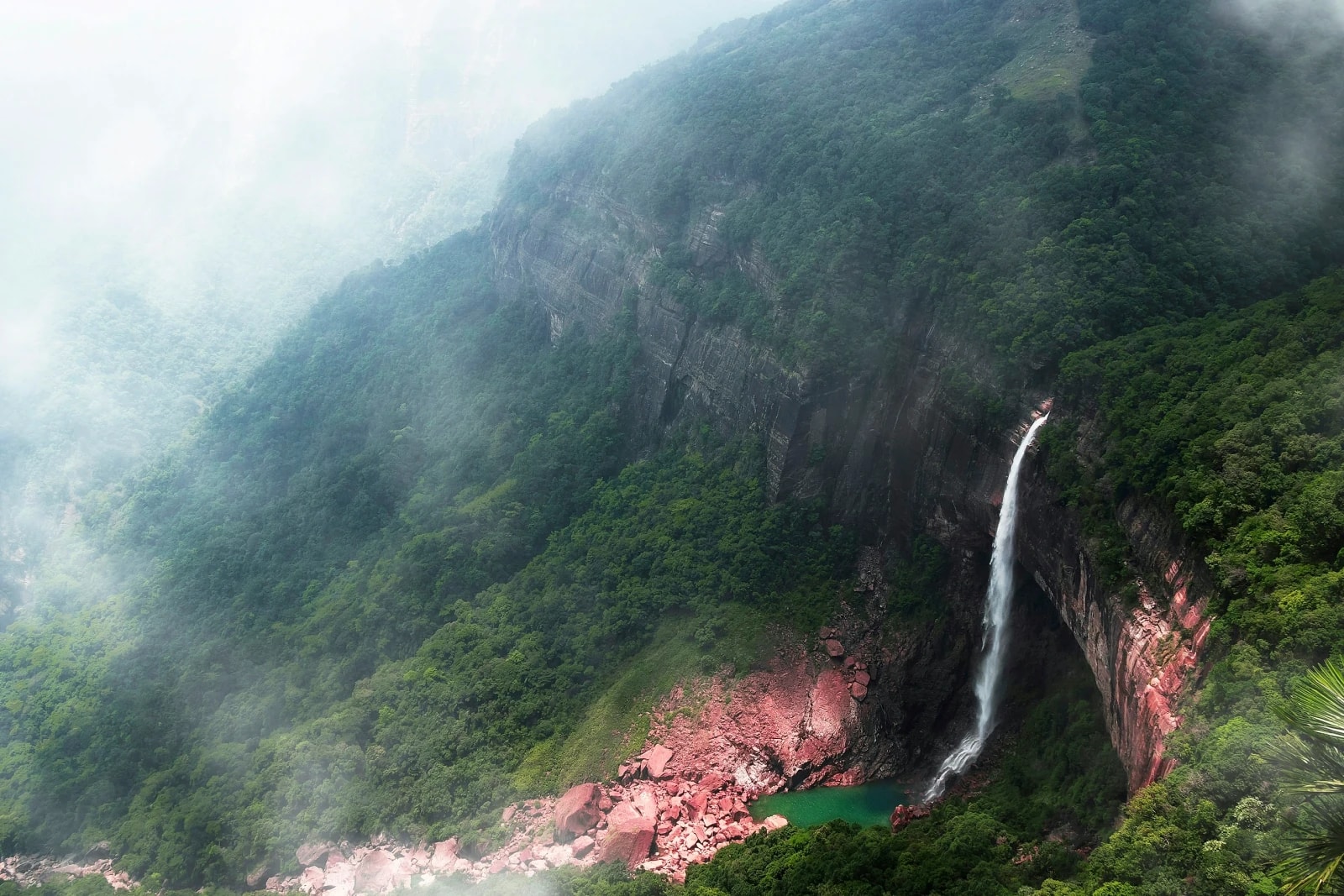
- Cherrapunji: Once considered the wettest place on Earth. Known for Nohkalikai Falls (India's tallest plunge waterfall), the Mawsmai limestone caves, a double-decker living root bridge, Dainthlen Falls, and Thangkharang Park's views into the Bangladesh plains.
- Dawki: Home to the crystal-clear Umngot River and a key border trade point between India and Bangladesh.
- Mawlynnong: Known as Asia's cleanest village, thanks to community-enforced no-litter rules. Highlights include hand-grown living root bridges, a bamboo skywalk overlooking Bangladesh, and a naturally balanced boulder.
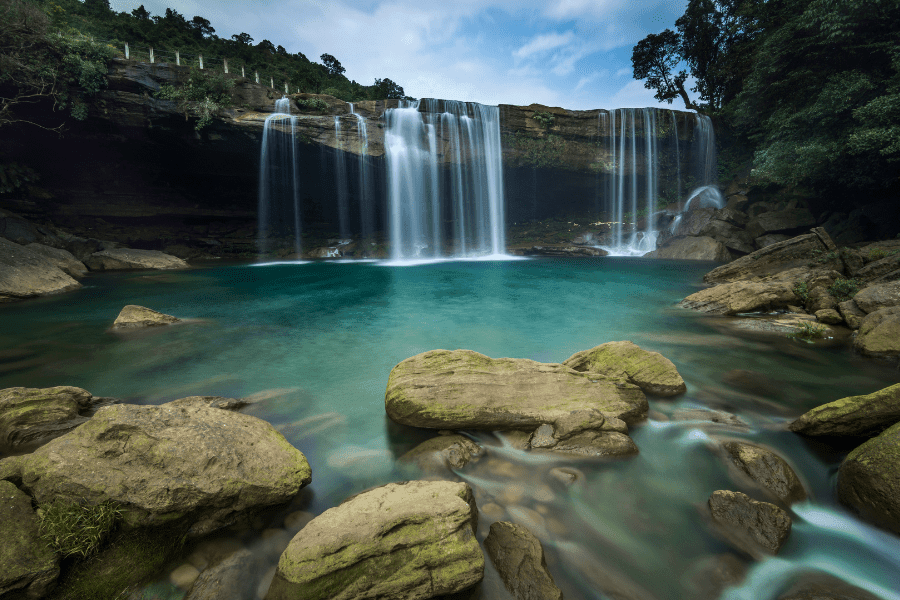
- Jaintia Hills: Home to the blue-water Krang Suri Falls, the ancient Nartiang Monoliths, the folklore-linked Syntu Ksiar riverside, and the quiet Ialong Park.
- Garo Hills: A wildlife-focused region with Nokrek National Park (a UNESCO Biosphere Reserve and red panda habitat), Balpakram National Park (known locally as the "Land of Spirits"), Tura Peak, and the long limestone Siju Caves.
A first Meghalaya trip typically threads together Shillong, Cherrapunji and Dawki, with Mawlynnong or the Jaintia and Garo Hills added for travellers with extra time.