
A Cultural Trip to Sikkim
For most of the travellers coming from different corners of the nation, Sikkim is visited for its mountains. Then they leave talking about the monks, the music, and the momos.
That’s the secret of a cultural trip to Sikkim. The peaks are spectacular, but the real story lives in the monasteries, the festivals, and the kitchens, where Lepcha, Bhutia, and Nepali traditions share the same valleys.
So where do you start? With the people who were here first.
Three Cultures, One Small State
Sikkim is small, but its identity is layered.
- The Lepchas are regarded as the original inhabitants. They call themselves Rongkup, and they have deep ties to nature and the mountains of Kanchenjunga.
- The Bhutias came from Tibet and shaped the state’s Buddhist traditions.
- The Nepali communities make up the larger part of the population, bringing Hindu festivals, food, and music.
The result is a place where a prayer flag, a temple bell, and a folk song can all appear in the same afternoon.
Want proof? Walk into the nearest monastery.
Monasteries: The Heart of a Cultural Trip to Sikkim
Buddhism is interwoven in daily life here. If you are making a cultural trip to Sikkim, guide yourself: monasteries are the anchor.
Monastery | Where | Why go |
|---|---|---|
Rumtek | Near Gangtok | A major seat of the Karma Kagyu school, with a large, ornate main hall |
Enchey | Gangtok | A smaller, hillside monastery with a serene atmosphere |
Pemayangtse | Near Pelling | One of Sikkim's oldest and most important monasteries |
Tashiding | West Sikkim | A sacred hilltop monastery, with views over the valley |
Rabdentse ruins | Near Pelling | The remains of the old royal capital |
It is advised to visit these places as early as possible in the morning. Chanting, butter lamps and drums fill the air, and you will often catch monks in prayer.
Monasteries are good, but festivals are better.
Festivals Worth Planning Around
Sikkim’s calendar is full, and many festivals follow the lunar calendar, so dates change every year.
- Losar: The Tibetan New Year, with prayers, feasts, and family gatherings.
- Saga Dawa: A Buddhist month of devotion, marked by processions.
- Pang Lhabsol: A festival honoring Kachenjunga as the guardian deity, with masked dances.
- Losoong: The Sikkimese new year and the harvest festival, with archery and dance.
- Bumchu: A holy water ceremony at Tashiding Monastery.
- Dasain and Tihar: Nepali festivals that fill October and November with color.
If you want ot experience a cultural trip to Sikkim, get the information on the exact dates; ask the tourism office or your operator because festival dates shift every year.
Tip: If you want a festival, book your hotels early, cause rooms vanish fast.
Next, something to taste.
Eat Like a Local
Sikkimese food is a quiet star of any cultural trip to Sikkim. Look for:
- Momos and Thukpa: Dumplings and noodle soup, on every street.
- Gundruk and sinki: Fermented greens, tangy and addictive.
- Sel Roti: A ring-shaped rice bread, often eaten during festivals.
- Phagshapa: Pork cooked with radish and chili.
- Tongba: A warm millet drink sipped through a bamboo straw.
Sikkim is also India’s first fully organic state, so the vegetables on your plate are likely local and chemical-free.
Are you vegetarian? Don't worry, you will be fine, cause there are many dishes that use greens, cheese, and millet.
Music, Dance and Daily Rituals
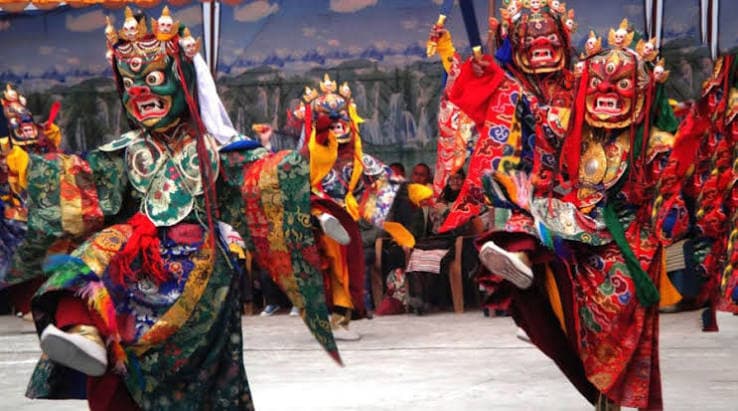
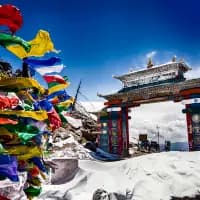
Culture here isn't only in monasteries. It's in the small daily scenes. Cham dances, performed by masked monks, tell stories of good and evil. Lepcha and Nepali folk songs ride on drums and flutes. Prayer flags flutter on every ridge, each one carrying a prayer on the wind.
Even a morning walk becomes cultural. Watch an elder spin a prayer wheel, a shopkeeper light incense, or a family leave an offering at a roadside shrine.
Slow down, and these moments are as memorable as any monument.
Crafts, Museums and Local Markets
If you want to bring something home, don’t buy the generic souvenirs.
- Thangka Paintings: Detailed Buddhist Scrolls in Vivid Colours.
- Handwoven Fabrics: Lepcha weaving is a time-honoured tradition.
- Carpets & wooden items: Available in shops and craft centers in Gangtok.
- Tea: A popular choice is Temi Tea Garden in South Sikkim.
See the Namgyal Institute of Tibetology, Gangtok, for context. It has rare manuscripts, statues, and ritual objects, and tells you a lot about what you'll see in the monasteries.
Now for something a little unusual.
Village Stays and Lepcha Heritage
For a more cultural trip to Sikkim, spend a night in a village homestay.
You will eat home-cooked meals, hear family stories, and see how people really live. Popular areas are Yuksom, Ravangla, and the Dzongu region of North Sikkim, which is a protected area for Lepchas. Dzongu requires a special permit, so make arrangements through an operator in advance.
For those who like the peace and quiet of a village atmosphere, Pelling and Yuksom are perfect.
A Cultural Trip to Sikkim: Travel Tips
One must respect culture. Here’s the lowdown:
- Do remove your shoes before entering monasteries and dress modestly.
- Walk clockwise around the stupas, chortens, and prayer wheels.
- Ask permission to take photos of people and check the rules about photos inside prayer halls.
- The prayers shall be said in a low voice.
- Do not touch sacred objects or point your feet at altars.
- There aren't many ATMs in the villages, so carry some cash with you.
- Verify permits. Indians need none for Gangtok or Pelling, but restricted areas like Dzongu, Tsomgo, and Nathula do.
Weather is another factor. Typically: Clear skies from October to November and March to May. Monsoon causes landslides, schedule a buffer day.
A Simple Overview Itinerary
Here is a 5-day cultural trip to Sikkim Overview:
- Day 01: Arrival at Gangtok. Eat momos and walk MG Marg.
- Day 2: Rumtek Monastery, Enchey Monastery, and Namgyal Institute of Tibetology.
- Day 3: Drive to Pelling. Visit the ruins of Pemayangtse and Rabdentse.
- Day 4: Tashiding/Yuksom and a village homestay if possible.
- Day 5: Return via Ravangla and Buddha Park and depart.
Or add two days for a festival. Or extend with a Darjeeling stay.
Plan Your Cultural Trip With Tripjyada
Sikkim Cultural Tour is best served when a local person shows you the way. That’s where we can help.
Tripjyada can help you to:
- Culture based itineraries around monasteries, festivals and homestays
- Permits for Dzongu, Nathula, Tsomgo and North Sikkim
- Local drivers and guides, familiar with the roads and the customs
- Darjeeling, Pelling and Bhutan combined tours
Are you ready to meet the real Sikkim? Looking to plan your trip? Contact Tripjyada.
More From the Blog
 Blogs
Tsomgo Lake in December
 blogs
Tsomgo Lake in June
 Travel Tips
Tsomgo Lake in May
 Travel Guide
Tsomgo Lake in April | Complete Travel Guide
 Travel Tips
Darjeeling Tour Guide: Best Time, Places & How to Reach
 Festivals of the Himalayas
Dashain Festival 2026: Date, History, Meaning and Where to Celebrate in the Himalayas
 Travel Guide
Meghalaya’s Waterfalls: Your Passport to Liquid Magic in Northeast India
Imagine yourself standing on a precipice, the roar of a thousand rivers singing in your ears, and the mist kissing your face. Down below, a pool of green so deep it seems like a portal has been crashed into by a shimmering water curtain. Rainbows fly across the spray like timid dancers, greetings from Meghalaya, […]
 Travel Guide
Swap Delhi’s Sweat for Sikkim’s Snow: The ultimate Delhi to Sikkim summer escape plan
Why live through Delhi’s summer when Sikkim’s glaciers are calling? Escape on a Delhi to Sikkim journey to a world of snow and cool Himalayan streams. While Delhi melts in 45 degrees, the rhododendrons of Sikkim are waking up in crisp 15 degrees. Swap your linens with layers with Tripjyada’s premium Sikkim tour packages that […]
 Travel Guide
Durga Puja & Navratri 2026 Dates: Complete Festival Calendar & Guide
Somewhere around late September, a very specific kind of chaos takes over half the country. This guide sorts out exactly when Durga Puja 2026 and Navratri 2026 fall, day by day, plus the bits everyone tends to forget to check until the last minute: Mahalaya, Ghatasthapana, Sandhi Puja, and when Vijayadashami actually lands this year.
 Travel Guide
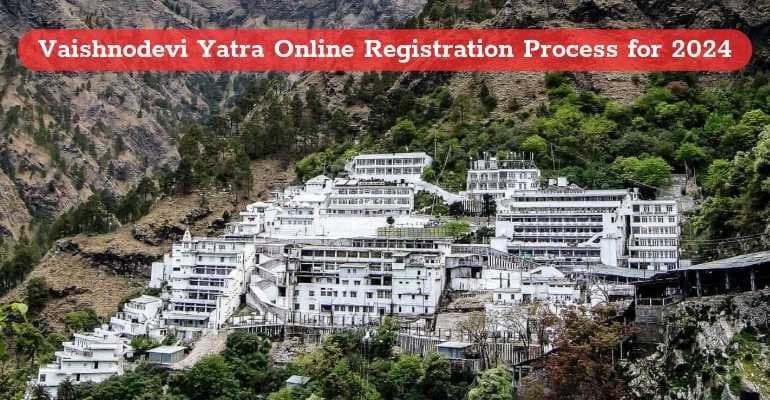
Vaishnodevi Yatra Online Registration Process for 2024
Located in the Trikuta Mountains of Jammu and Kashmir, the pilgrimage to Vaishno Debi is a sacred journey, performed by millions of devotees to seek the blessings of Mata Vaishno Devi. One of the central processes of this pilgrimage is the Vaishno Devi Yatra Registration, which ensures orderly management, safety, and observation. Here’s a detailed […]
 Meghalaya Packages
Mystical Meghalaya 5-Day Journey Through the Clouds
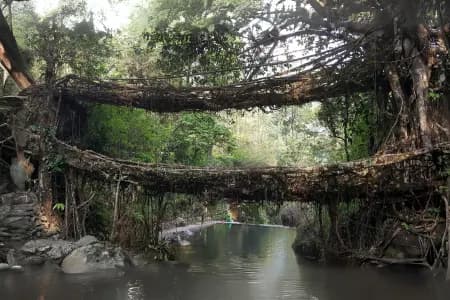
Shillong – Cherrapunjee – Dawki – Guwahati Hotels Transport Sightseeing Meals Tour Package Description Discover the mesmerizing beauty of Meghalaya, the “Abode of Clouds.” This 5-day tour takes you through Shillong’s charming streets, Cherrapunjee’s breathtaking waterfalls, and Dawki’s crystal-clear river. Experience the charm of Mawlynnong, Asia’s cleanest village, and witness […]
 Meghalaya Packages
Meghalaya Explorer 6-Day Journey Through Nature’s Paradise
Hotels Transport Sightseeing Meals Tour Package Description Embark on an unforgettable 6-day journey through Meghalaya, the “Abode of Clouds.” This tour takes you to the pristine landscapes of Shillong, the misty valleys of Cherrapunjee, and the crystal-clear waters of Dawki. Visit Asia’s cleanest village, trek to the famous Double Decker Root Bridge and explore hidden […]
 Meghalaya Packages
Enchanting Meghalaya & Assam 6-Day Tour
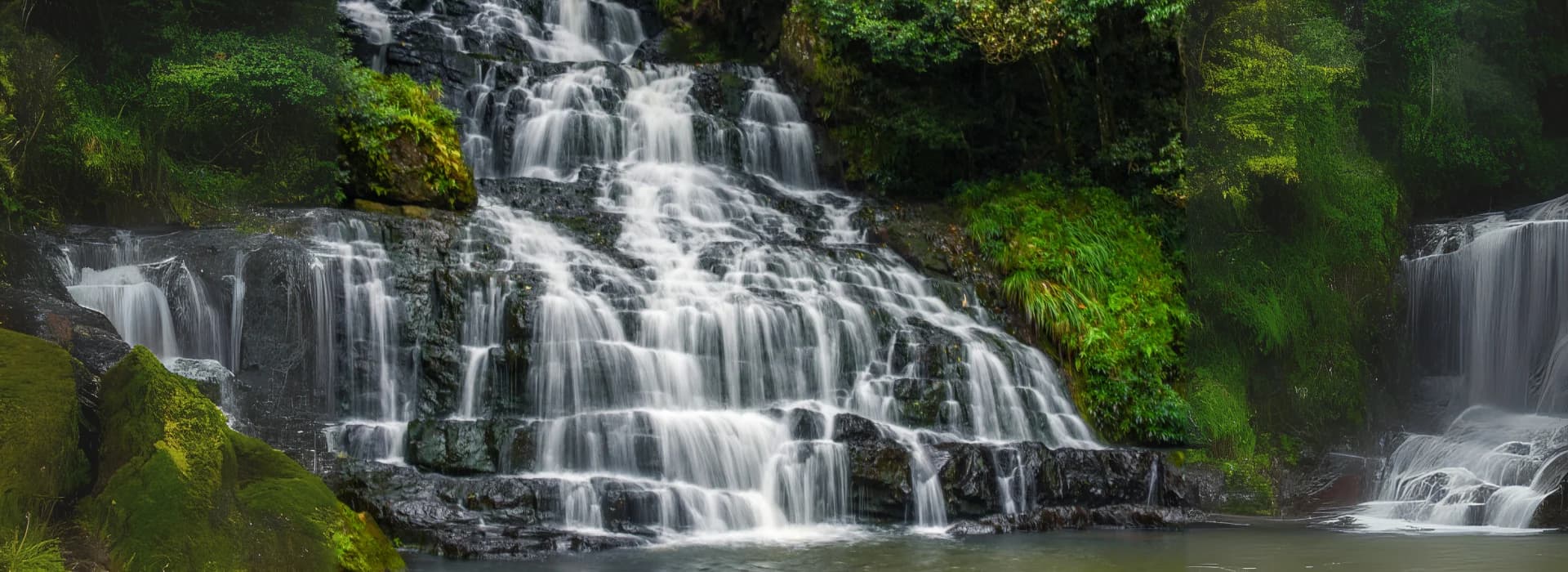
Hotels Transport Sightseeing Meals Standard Deluxe Super Deluxe Luxury Choose your Hotel Category Choose your Hotel Category Choose your Hotel Category Choose your Hotel Category Choose your Hotel Category Choose your Hotel Category Choose your Hotel Category Choose your Hotel Category Tour Package Description Unravel the breathtaking beauty of Meghalaya and Assam […]
 Meghalaya Packages
Discover Meghalaya & Assam – 7-day Journey Through Nature & Wildlife
Hotels Transport Sightseeing Meals Tour Package Description Embark on a mesmerizing 7-day journey through the scenic landscapes of Meghalaya and Assam. Discover crystal-clear rivers, breathtaking waterfalls, lush green valleys, and exotic wildlife. Explore the cleanest village in Asia, experience adventure at Dawki, and witness the majestic one-horned rhinoceros at Kaziranga National Park. Whether a nature […]
Meghalaya PackagesMeghalaya & Assam Explorer – 9 Days of Nature & Adventure
Hotels Transport Sightseeing Meals Tour Package Description Immerse yourself in the untouched beauty of Meghalaya and Assam with this unforgettable 9-day journey. Explore the misty landscapes of Shillong, the cascading waterfalls of Cherrapunjee, the pristine waters of Dawki, and the biodiversity of Kaziranga National Park. Visit Asia’s cleanest village, walk on […]
 Bhutan Packages
7N/8D Best Bhutan Tour Package – Complete Bhutan Travel Itinerary
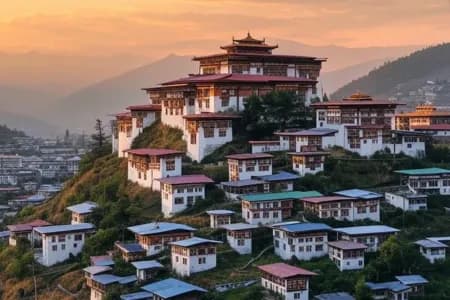
Hotels Transport Sightseeing Meals Tour Package Description Embark on a mesmerising 8-day journey to Bhutan, where nature meets spirituality. From the capital city of Thimphu to the breathtaking valleys of Punakha and Paro, immerse yourself in Bhutan’s rich traditions, vibrant monasteries, and spectacular landscapes. Hike to the world-famous Tiger’s Nest Monastery, explore the architectural marvel […]
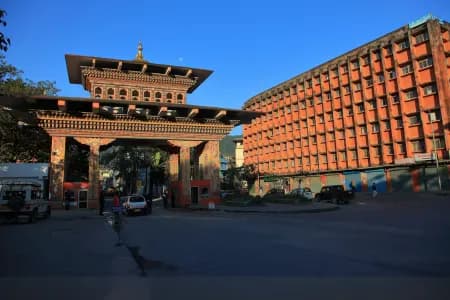 Bhutan Packages
Bhutan Bliss – 6N/7D Bhutan Tour Package with Monasteries & Scenic Highlights
Hotels Transport Sightseeing Meals Tour Package Description Embark on an enchanting 7-day journey through the serene landscapes of Bhutan. Experience the cultural richness of Thimphu, the spiritual beauty of Paro, and the breathtaking trek to Tiger’s Nest. Witness stunning mountain views, historic monasteries, and peaceful countryside. This tour is ideal for […]
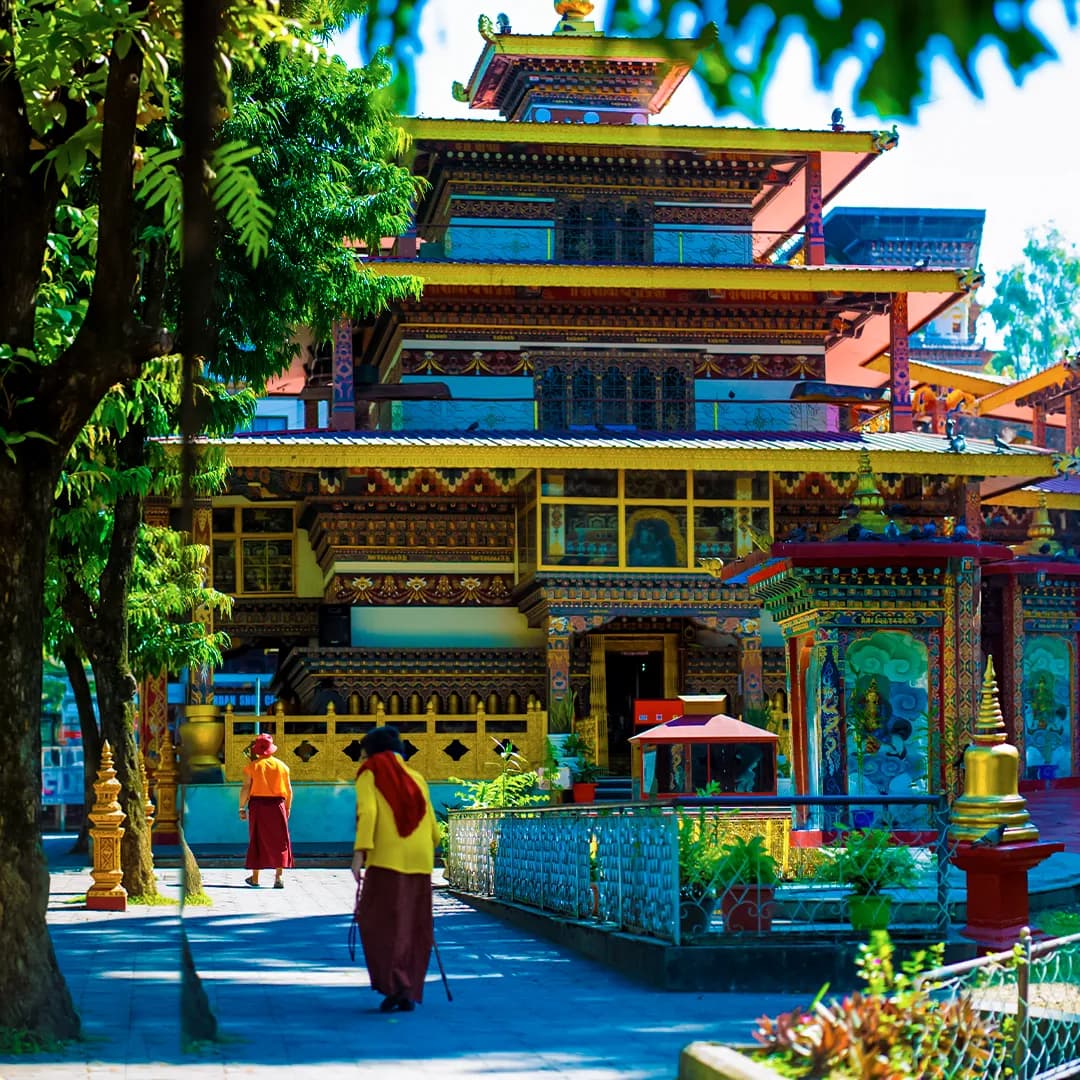 Bhutan Packages
Enchanting Bhutan: 8 Days of Culture & Scenic Beauty
Hotels Transport Sightseeing Meals Tour Package Description Discover the charm of Bhutan on this 8-day journey through its mesmerizing landscapes, serene monasteries, and rich cultural heritage. From the peaceful town of Phuentsholing to the vibrant capital Thimphu, the tranquil valleys of Phobjikha, the historic Punakha Dzong, and the iconic Tiger’s Nest […]
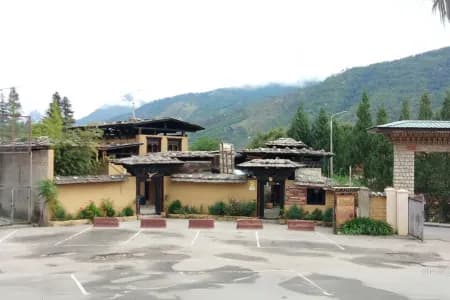 Bhutan Packages
Majestic Bhutan – 11-Day Himalayan Escape
Hotels Transport Sightseeing Meals Tour Package Description Embark on an unforgettable 11-day journey through Bhutan, the Land of the Thunder Dragon. Witness the grandeur of the Himalayas, explore serene monasteries, and experience Bhutanese culture like never before. From the vibrant streets of Thimphu to the tranquil valleys of Bumthang and the […]
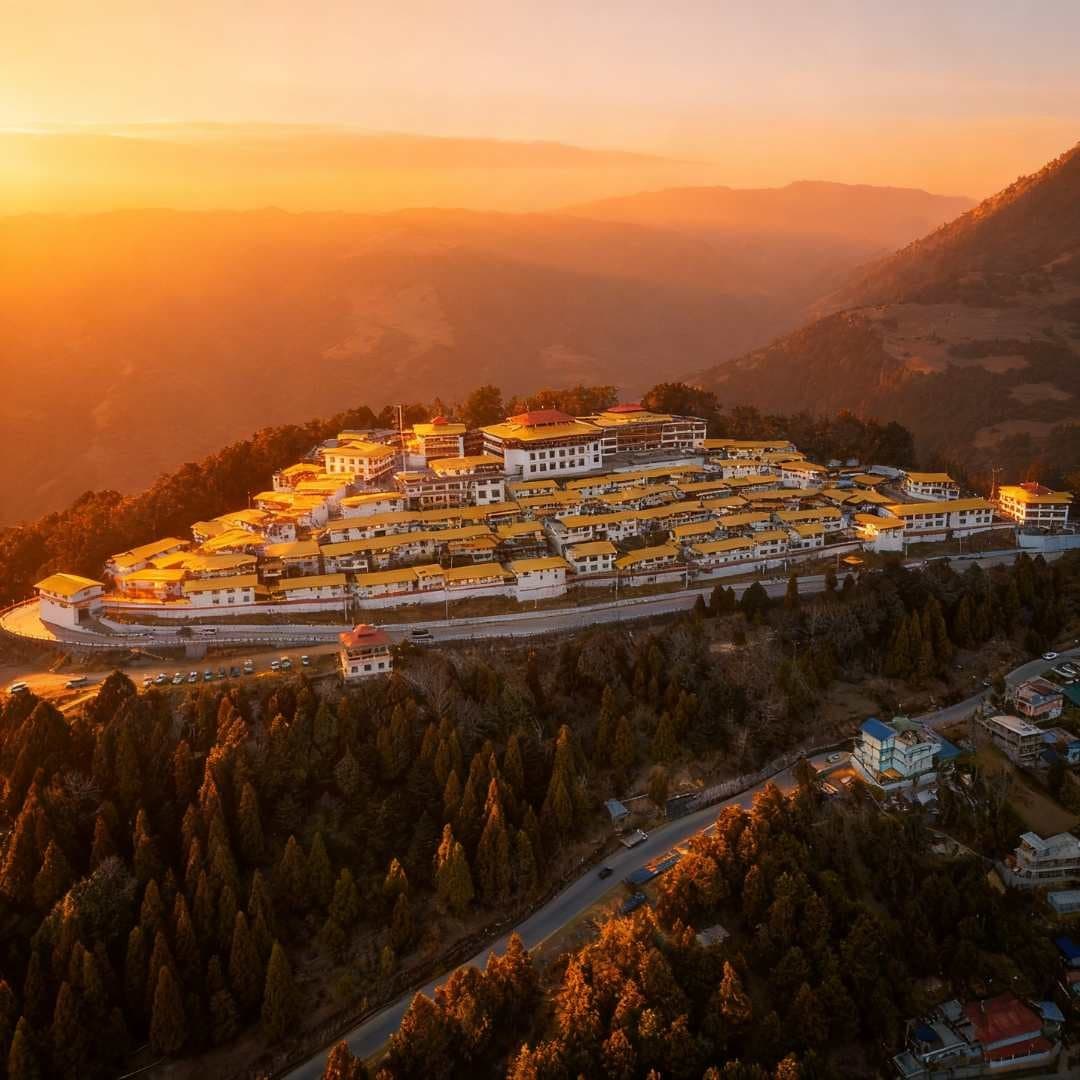 Arunachal Pradesh Packages
Best 10 days Arunachal tour package
Hotels Transport Sightseeing Meals Tour Package Description Experience the pristine landscapes and vibrant culture of Arunachal Pradesh and Assam with this 10-day tour. With this Arunachal & Guwahati Tour, you’ll explore the lush green valleys of Dirang and Sangti, witness the breathtaking beauty of Tawang, and visit the spiritual heart of Guwahati. Discover Buddhist monasteries, […]
 Kashmir Packages
Kashmir Paradise: 7 Days of Scenic Beauty
Hotels Transport Sightseeing Meals Tour Package Description Embark on a mesmerizing 7-day journey through Kashmir, often called “Paradise on Earth.” From pristine lakes and verdant meadows to snow-capped peaks, this trip covers the best of Srinagar, Pahalgam, Gulmarg, and Sonamarg. Experience Shikara rides on Dal Lake, thrilling gondola rides in Gulmarg, […]
 Kashmir Packages
Kashmir Bliss: 6 Days of Scenic Beauty & Serenity
Hotels Transport Sightseeing Meals Tour Package Description Embark on an unforgettable 6-day journey through the mesmerizing landscapes of Kashmir. From the charming houseboats of Srinagar to the lush meadows of Pahalgam and Gulmarg, this tour is designed to offer you the best of nature, adventure, and cultural heritage. Follow on Instagram […]
 Kashmir Packages
Kashmir Delight 5-Day Escape to Paradise
Hotels Transport Sightseeing Meals Tour Package Description Embark on a breathtaking journey to Kashmir, the “Paradise on Earth.” This 5-day tour takes you through the serene Dal Lake, the vibrant markets of Srinagar, the lush meadows of Gulmarg, and the picturesque landscapes of Sonamarg. Enjoy Shikara rides, explore Mughal-era gardens, and […]
 Kashmir Packages
Heavenly Kashmir Escape – 8 Days of Serenity & Adventure
Hotels Transport Sightseeing Meals Tour Package Description Immerse yourself in the breathtaking beauty of Kashmir with this 07 Nights / 08 Days tour, covering Srinagar, Gulmarg, Pahalgam, Sonamarg & Doodhpathri. Witness stunning landscapes, take a Shikara ride on Dal Lake, explore Mughal Gardens, ride the Gondola in Gulmarg, and experience the […]
 Sikkim Packages
Exotic North Sikkim 6-Day Himalayan Escape
Hotels Transport Sightseeing Meals Tour Package Description Discover the untouched beauty of North Sikkim with this 6-day immersive journey through the Himalayan wonderland. Experience the charm of Gangtok, the serenity of Lachen & Lachung, and the breathtaking landscapes of Gurudongmar Lake & Yumthang Valley. Witness snow-clad peaks, gushing rivers, and vibrant […]
 sikkim and darjeeling Packages
Sikkim & Darjeeling Delight 7-Day Himalayan Retreat
Hotels Transport Sightseeing Meals Tour Package Description Embark on a mesmerizing 7-day journey through the Eastern Himalayas, exploring the stunning landscapes of Gangtok, Pelling, and Darjeeling. Witness the beauty of high-altitude lakes, serene monasteries, and lush tea gardens while immersing yourself in the rich culture and traditions of these hill stations. […]
 sikkim and darjeeling Packages
Mystical Sikkim & Darjeeling 7 Day Himalayan Retreat
Hotels Transport Sightseeing Meals Tour Package Description Embark on an unforgettable 7-day journey through the scenic wonders of Sikkim & Darjeeling. Witness the pristine Tsomgo Lake, explore the breathtaking Yumthang Valley, and soak in the colonial charm of Darjeeling. Experience the Himalayan beauty, visit sacred monasteries, sip world-famous Darjeeling tea, and […]
 sikkim and darjeeling Packages
Mystical Himalayan Retreat: Explore the Hidden Gems of Sikkim & Darjeeling
Hotels Transport Sightseeing Meals Tour Package Description Immerse yourself in the untouched beauty of the Eastern Himalayas, covering Gangtok, Lachen, Lachung, Pelling, and Darjeeling. Experience the magic of Gurudongmar Lake, Yumthang Valley, the Pelling Sky Walk, and the sunrise at Tiger Hill. This curated tour is perfect for adventure lovers, photography […]
 Andaman & Nicobar Packages
Tripjyada’s Andaman Escape: A Perfect Island Retreat
Hotels Transport Sightseeing Meals Tour Package Description Immerse yourself in the untouched beauty of the Eastern Himalayas, covering Gangtok, Lachen, Lachung, Pelling, and Darjeeling. Experience the magic of Gurudongmar Lake, Yumthang Valley, the Pelling Sky Walk, and the sunrise at Tiger Hill. This curated tour is perfect for adventure lovers, photography […]
 Andaman & Nicobar Packages
Tripjyada’s Andaman Escape: Perfect Island Retreat 5N/6D
Hotels Transport Sightseeing Meals Tour Package Description Immerse yourself in the untouched beauty of the Eastern Himalayas, covering Gangtok, Lachen, Lachung, Pelling, and Darjeeling. Experience the magic of Gurudongmar Lake, Yumthang Valley, the Pelling Sky Walk, and the sunrise at Tiger Hill. This curated tour is perfect for adventure lovers, photography […]
 Andaman & Nicobar Packages
Tripjyada’s Andaman Adventure: Explore the Tropical Paradise
Hotels Transport Sightseeing Meals Tour Package Description Immerse yourself in the untouched beauty of the Eastern Himalayas, covering Gangtok, Lachen, Lachung, Pelling, and Darjeeling. Experience the magic of Gurudongmar Lake, Yumthang Valley, the Pelling Sky Walk, and the sunrise at Tiger Hill. This curated tour is perfect for adventure lovers, photography […]
 Andaman & Nicobar Packages
Andaman Adventure: 10-Day Exploration
Hotels Transport Sightseeing Meals Tour Package Description Immerse yourself in the untouched beauty of the Eastern Himalayas, covering Gangtok, Lachen, Lachung, Pelling, and Darjeeling. Experience the magic of Gurudongmar Lake, Yumthang Valley, the Pelling Sky Walk, and the sunrise at Tiger Hill. This curated tour is perfect for adventure lovers, photography […]
 Travel Guide
Discover the Magic of Bhutan: The Ultimate Guide to Group Tours
Discover the Magic of Bhutan: A Complete Guide to Group Tours Bhutan, the mysterious kingdom located in the Himalayas, is a dream destination for many travellers seeking peace and adventure. Known for its sustainable approach to development and rich Buddhist culture, Bhutan tourism offers a rare blend of spirituality, natural beauty and tradition. If you […]
 Travel Guide
Northeast Tourism: Rising Star in Indian Travel
Northeast Tourism: A Rising Star in Indian Travel Northeast India, which includes Arunachal Pradesh, Assam, Manipur, Meghalaya, Mizoram, Nagaland, Sikkim, and Tripura, has always been a hidden gem with breathtaking landscapes, diverse cultures, and rich traditions. For years, the region remained off the radar for mainstream tourists due to issues like poor infrastructure, limited connectivity, […]
 Travel Guide
Top 10 Bhutan Experiences: Bucket List Adventure for Every Traveler
Bhutan, the Land of the Thunder Dragon, is a mystical land where ancient traditions blend seamlessly with stunning natural beauty. For travellers seeking both adventure and cultural immersion, Bhutan offers countless experiences. From majestic fortresses to breathtaking mountain views, here are the top 10 things to do in Bhutan that should make it to your […]
 Travel Guide
Bhutan Beckons: Your Ultimate Travel Guide for First-Time Visitors
Have you ever wondered what it would be like to visit a kingdom where tradition and spirituality are still deeply woven into everyday life? Welcome to Bhutan, a hidden gem in the Himalayas. For first-time travellers, Bhutan offers an extraordinary experience that blends natural beauty, ancient culture, and unparalleled peace. This guide will cover everything […]
 Travel Guide
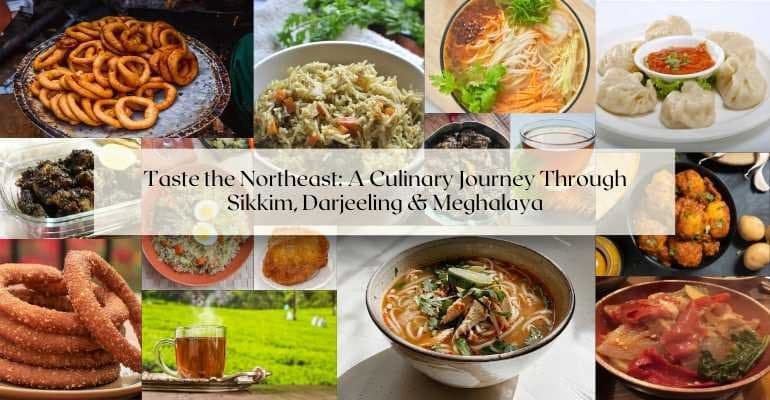
Discover the Flavors of Northeast India: A Culinary Journey Through Sikkim, Darjeeling, and Meghalaya
Regarding travel, one of the most enriching experiences is indulging in the local cuisine. Northeast India, a region celebrated for its breathtaking landscapes, is also a treasure trove of unique and flavorful dishes that reflect the diverse cultures of its people. From the spicy delicacies of Sikkim to the aromatic tea of Darjeeling and the […]
 Travel Guide
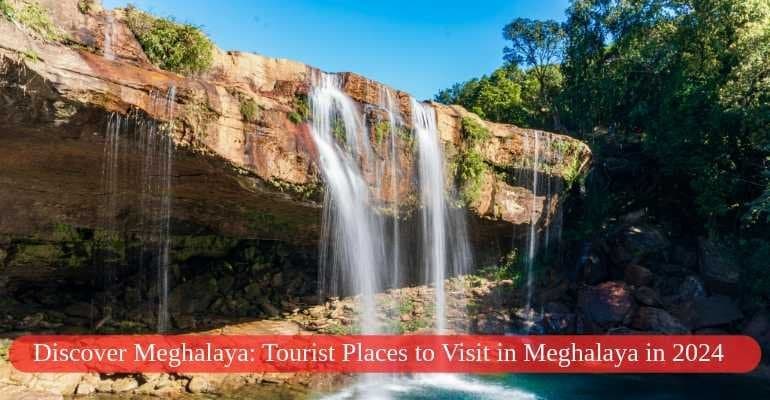
Discover Meghalaya: Tourist Places to Visit in Meghalaya in 2024
Do you ever wonder about the top places to visit in Meghalaya? Here in this blog, we are going to introduce you to the best places to visit in Meghalaya, that you shouldn’t miss during your Meghalaya tour. So, let’s dive into Meghalaya’s charm Located in the northeastern part of India, Meghalaya is a land […]
 Travel Guide
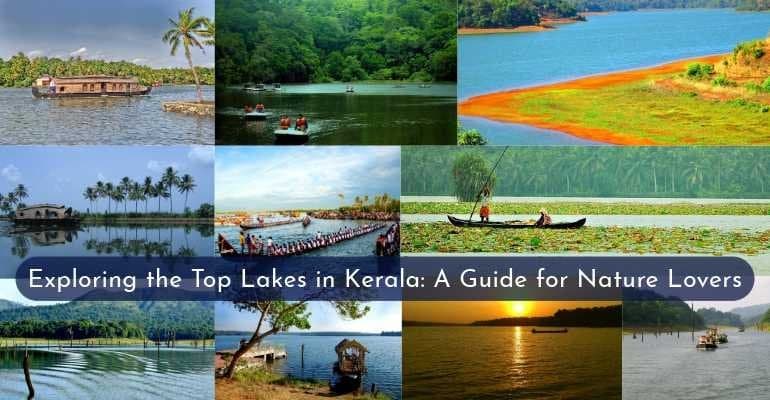
Exploring the Top Lakes in Kerala: Guide for Nature Lovers
Kerala, lovingly referred to as ‘God’s Own Country,’ is filled with many waterways, including lakes that offer peaceful and memorable cruise experiences. Each lake in Kerala uniquely amplifies the region’s beauty, with its tranquil ambience stretched across various cities and townships. Approximately, there are 34 lakes in Kerala, serving as a source of enjoyment, but […]
 Bhutan Packages
Bhutan Serenity 8-Day Himalayan Adventure
Hotels Transport Sightseeing Meals Tour Package Description Embark on an extraordinary 8-day journey through Bhutan, where cultural richness meets breathtaking natural landscapes. Explore the vibrant capital, Thimphu, the serene beauty of Punakha, and the charming town of Paro. Experience the stunning mountain views at Dochula Pass, trek to the iconic Tiger’s Nest Monastery, and witness […]
 Bhutan Packages
Bhutan Grand Explorer 10-Day Himalayan Retreat
Hotels Transport Sightseeing Meals Tour Package Description Embark on a mesmerizing 10-day journey through the heart of Bhutan, where tradition meets tranquility. Explore the cultural wonders of Thimphu, the breathtaking landscapes of Paro, the sacred monastery of Tiger’s Nest, and the serene Phobjikha Valley. Witness stunning Himalayan views, visit historic monasteries, […]
 Bhutan Packages
Bhutan Serenity 4N/5D Himalayan Retreat
Hotels Transport Sightseeing Meals Tour Package Description Embark on a mesmerizing 5-day journey through the picturesque landscapes of Bhutan. This tour takes you through the capital city of Thimphu and the serene town of Paro, offering breathtaking views, ancient monasteries, and rich Bhutanese culture. Witness the grandeur of the Tiger’s Nest Monastery, explore sacred temples, […]
 Sikkim And Darjeeling
Enchanting Darjeeling 3-Day Himalayan Escape
Hotels Transport Sightseeing Meals Tour Package Description Embark on a short yet mesmerizing journey to Darjeeling, the Queen of Hills, where colonial charm meets breathtaking Himalayan beauty. This 3-day itinerary takes you through misty landscapes, world-famous tea gardens, and cultural landmarks. Witness an awe-inspiring sunrise over Mt. Kanchenjunga, stroll along the scenic Mall Road, and […]
 Sikkim And Darjeeling
Enchanting Darjeeling 4-Day Himalayan Escape
Hotels Transport Sightseeing Meals Tour Package Description Escape to the breathtaking hills of Darjeeling with this immersive 4-day journey. Witness the spectacular sunrise over Mt. Kanchenjunga from Tiger Hill, explore the colonial charm of Darjeeling town, visit serene monasteries, and take in the beauty of lush tea gardens. Enjoy a day […]
 Andaman & Nicobar Packages
Tripjyada Exclusive Andaman Getaway 4N/5D
Hotels Transport Sightseeing Meals Tour Package Description Immerse yourself in the untouched beauty of the Eastern Himalayas, covering Gangtok, Lachen, Lachung, Pelling, and Darjeeling. Experience the magic of Gurudongmar Lake, Yumthang Valley, the Pelling Sky Walk, and the sunrise at Tiger Hill. This curated tour is perfect for adventure lovers, photography enthusiasts, […]
 Travel Guide
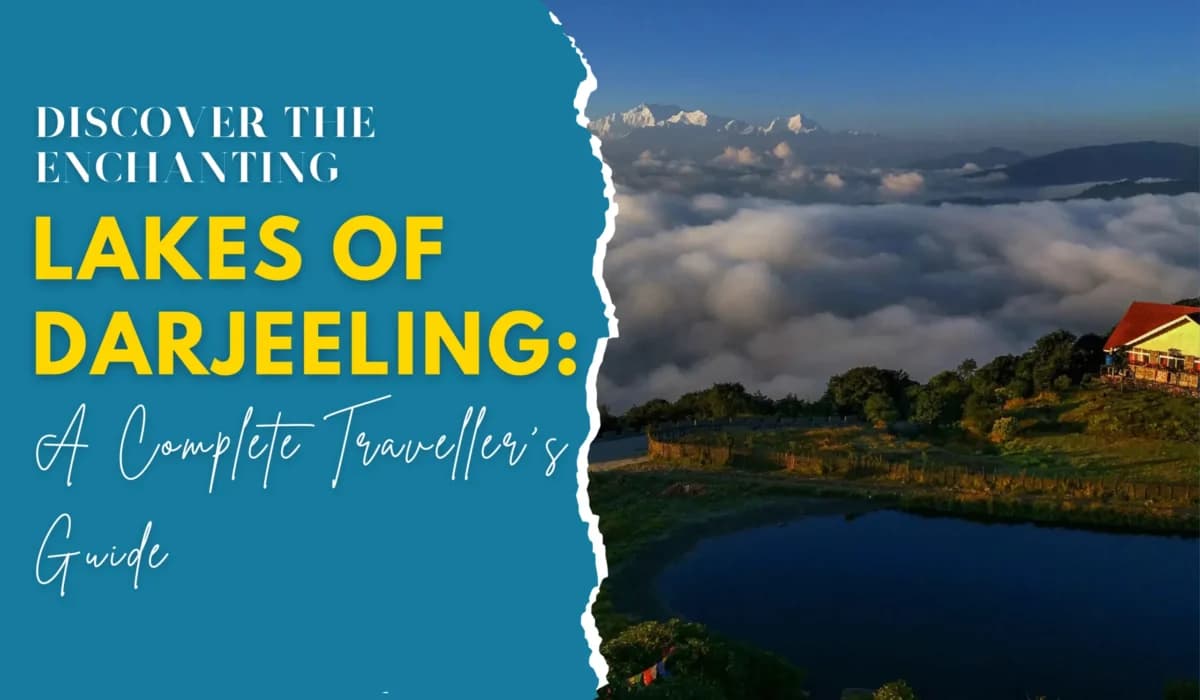
Discover the Enchanting Lakes of Darjeeling: A Complete Traveler’s Guide
Darjeeling, often celebrated for its tea gardens, colonial architecture, and breathtaking views of Kanchenjunga, is also home to several tranquil lakes that offer peace and scenic beauty. These lakes, often overshadowed by the town’s famous viewpoints and monasteries, are hidden gems that provide an immersive nature experience. Whether you’re an adventure seeker, a nature lover, […]
 Travel Guide
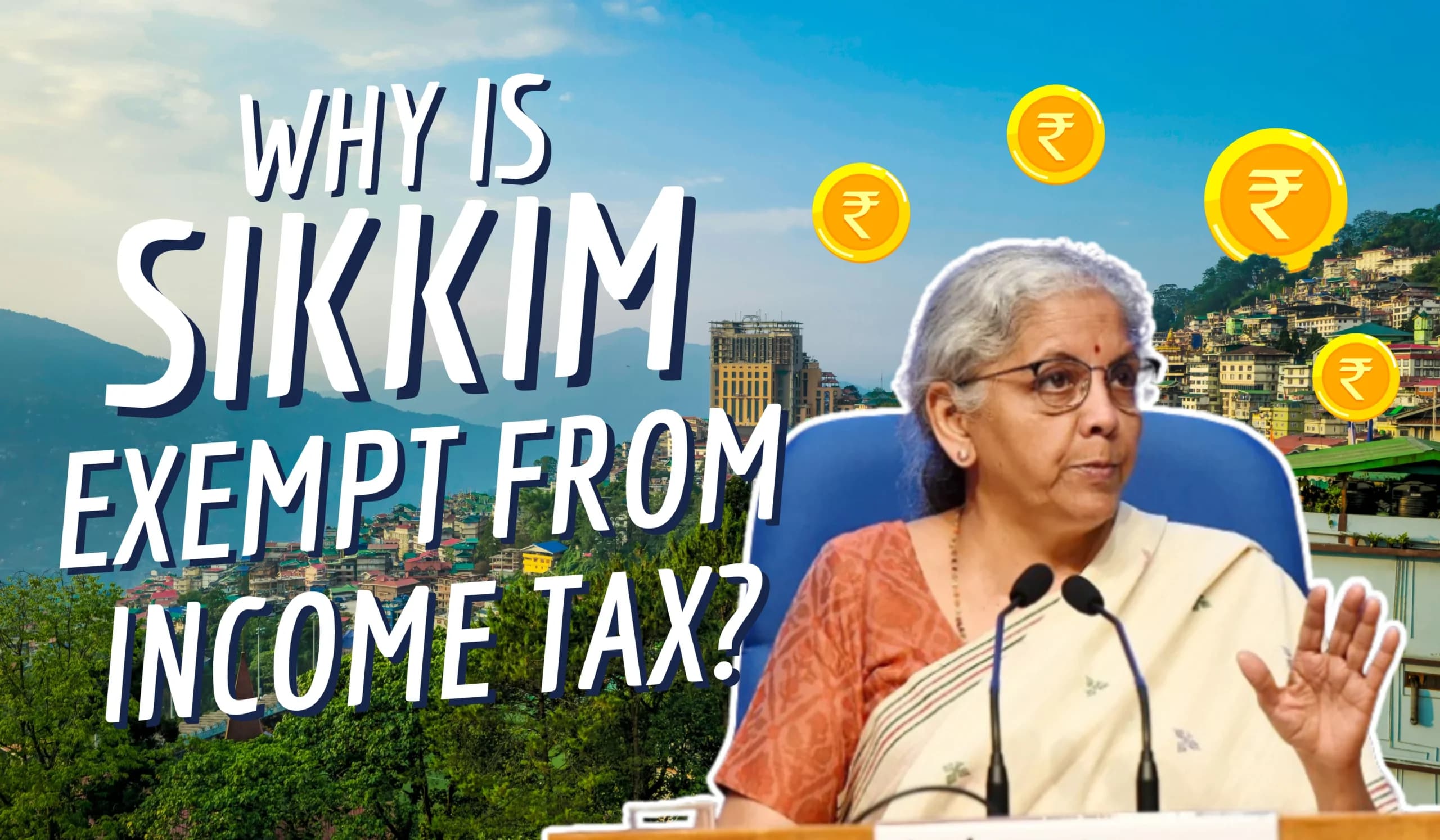
Why is Sikkim, The Abode of the Gods, Exempt from Income Tax?
The moment you cross into Sikkim, a sense of calm washes over you, carried by the distant, yet invigorating, winds. Melli, your initial point of entry, offers a breathtaking preview of Sikkim’s beauty, drawing you into the state’s enigmatic charm – it truly feels like entering a different world. Among its fascinating facets is Sikkim’s […]
 Travel Guide
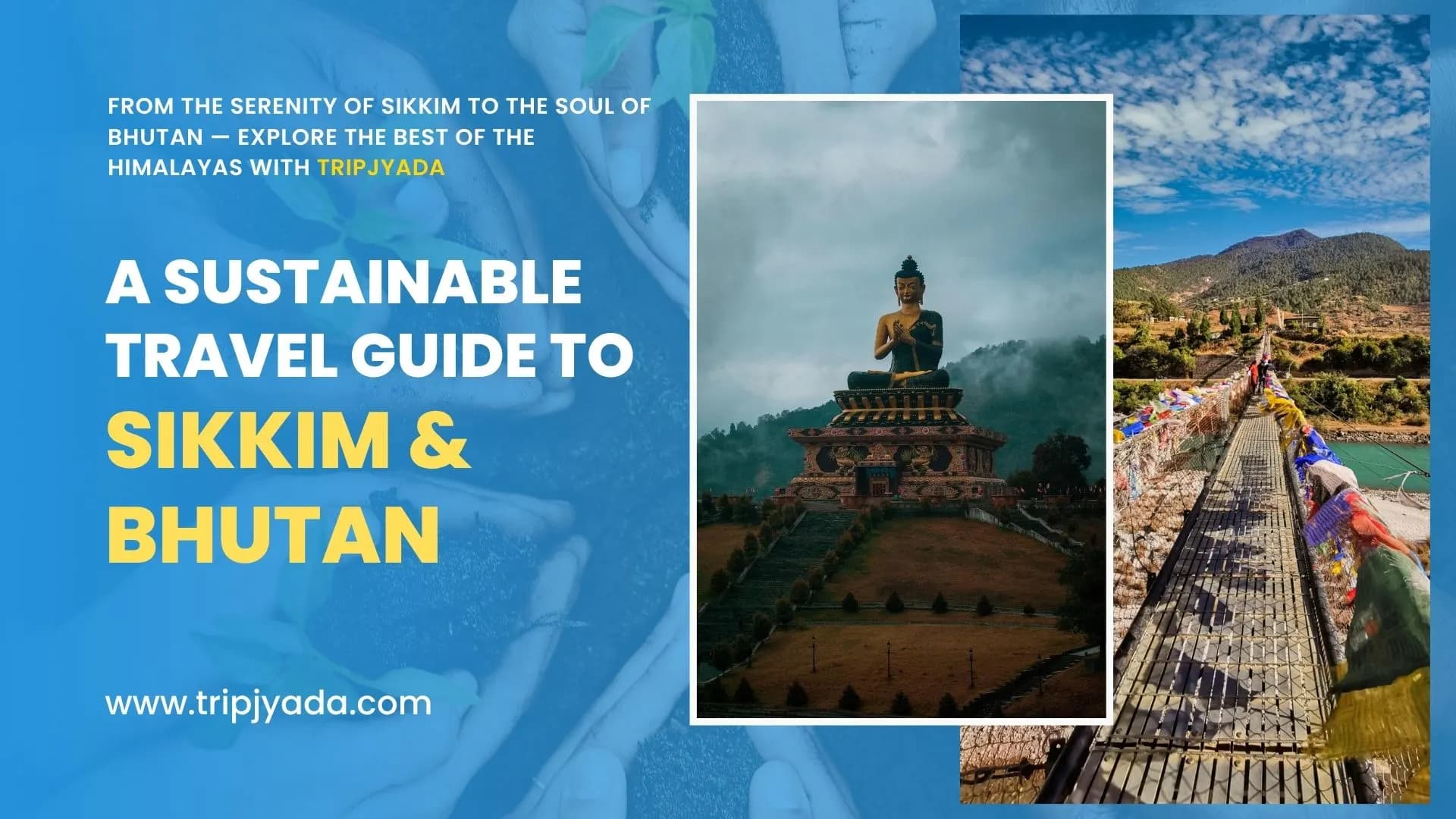
Discovering Sikkim and Bhutan: A Guide to Sustainable and Enriching Travel
Explore the untouched charm of Sikkim and Bhutan, two Himalayan gems where tradition, nature, and spirituality live in harmony. Picture yourself wandering through Sikkim, India’s first organic state, or experiencing Bhutan, the world’s only carbon-negative country. As you travel through these serene landscapes, mindful choices will not only elevate your experience but also help preserve […]
 Travel Guide
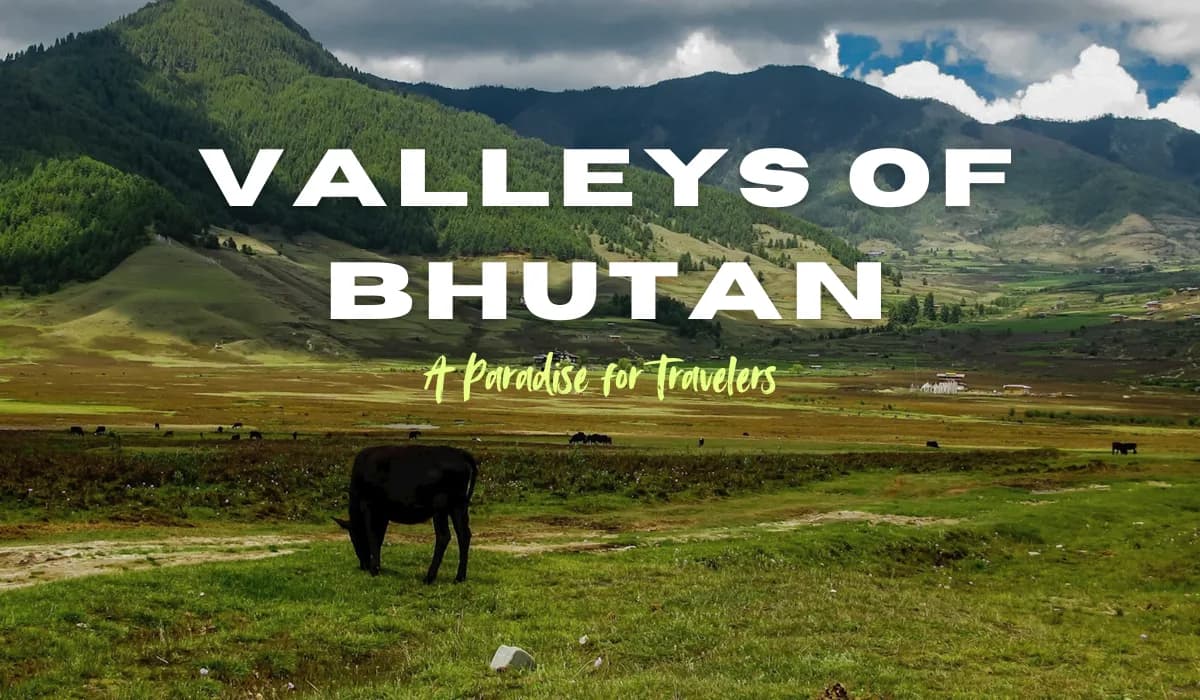
Magical Valleys in Bhutan That Will Steal Your Heart
Introduction: Valleys in Bhutan Bhutan, the Last Shangri-La, is not just a country—it’s a feeling. Known for its Gross National Happiness index, this Himalayan kingdom is home to some of the most beautiful and spiritual valleys on Earth. Valleys in Bhutan are filled with ancient monasteries, vibrant festivals, glacial rivers, and charming villages. Here’s a […]
 Travel Guide
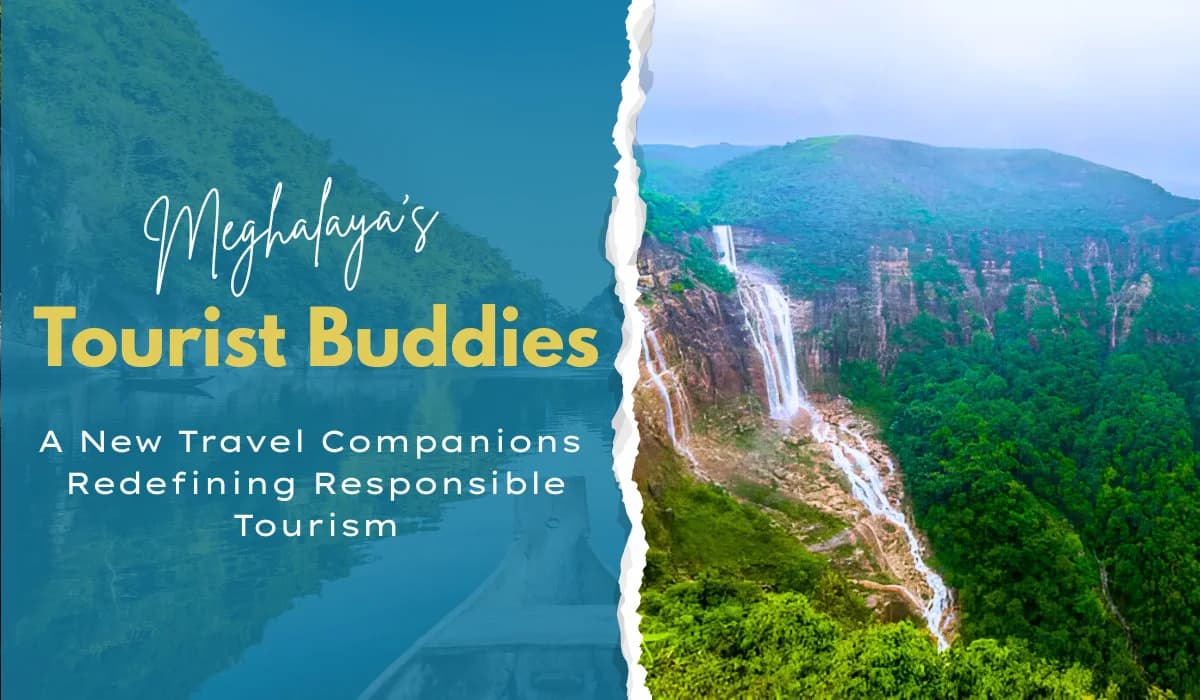
Tourist Buddies: Meghalaya’s New Travel Companions Redefining Responsible Tourism
Welcoming a New Era in Tourism: Tourist Buddies In a vibrant step toward people-centric and sustainable travel, the Meghalaya Tourism Department officially launched the ‘Tourist Buddies’ initiative on April 14, 2025. Designed to bridge the gap between curious travelers and the heart of Meghalaya’s culture, this unique program empowers local youth to become on-ground guides […]
 Travel Guide
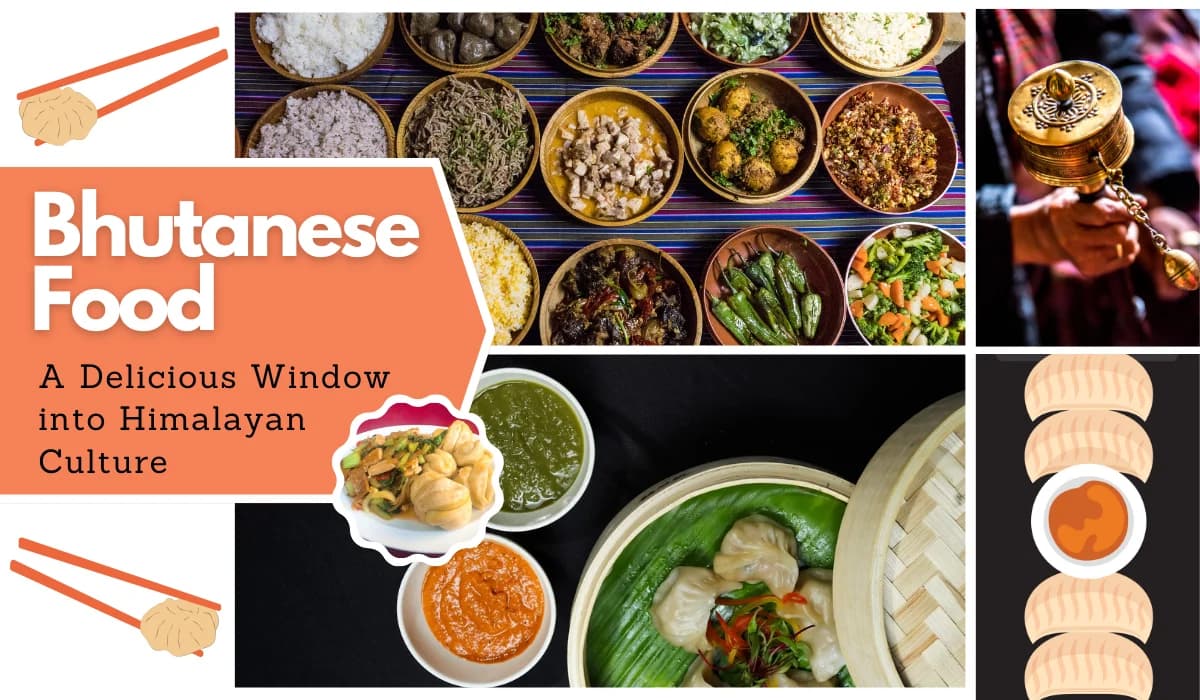
Bhutanese Food: A Delicious Window into Himalayan Culture
“You don’t just taste Bhutanese food, you feel it.” The moment you land in Bhutan, the air will feel different. It would be crisp, clean, and slightly tinged with wood smoke. But what truly welcomes is not just the prayer flags fluttering in the breeze or the sight of monks in maroon robes, it is […]
 Travel Guide
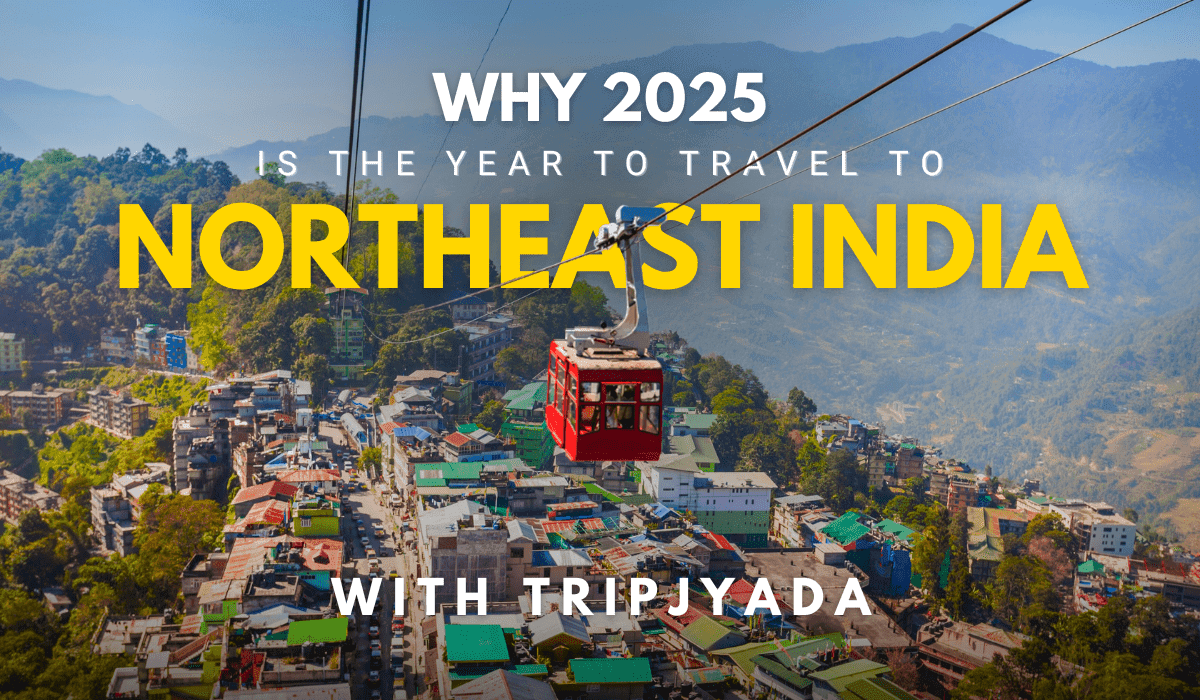
Why 2025 is the Year to Travel to Northeast India with Tripjyada
Travel has come a long way, and 2025 is the perfect year to travel to Northeast India. This naturally endowed and culturally rich destination is now redefining luxury travel. From Darjeeling’s rolling green hills to Gangtok’s cultural subtleties, Sikkim’s serenity, the mystical charm of Arunachal Pradesh, and the ethereal beauty of Meghalaya, Northeast India is […]
 Travel Guide
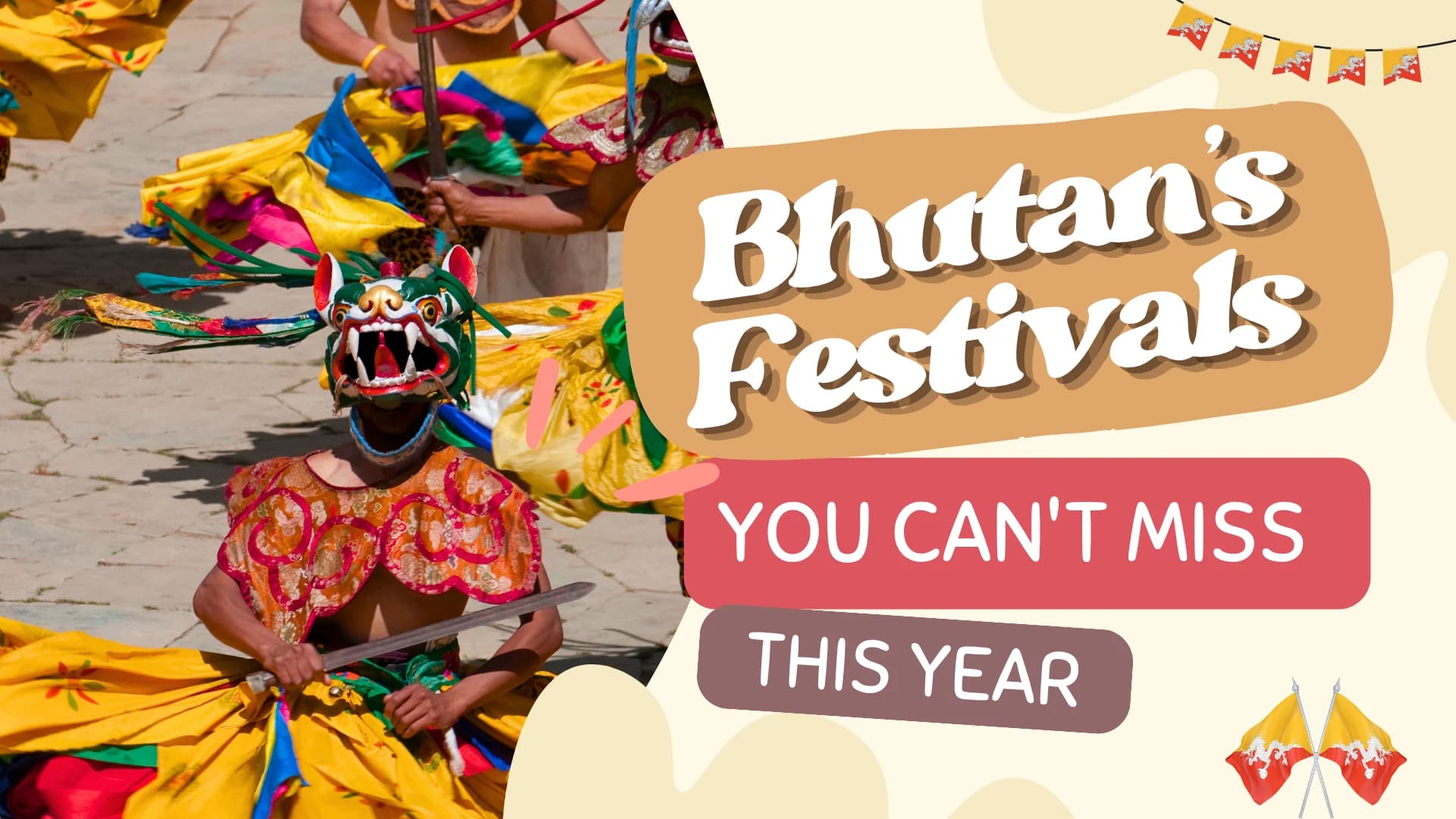
Bhutan’s Festivals You Can’t Miss This Year: A Spiritual and Cultural Travel
Rising in the Eastern Himalayas, Bhutan, also known as the Land of the Thunder Dragon, is a mysterious kingdom coexisting peacefully with rich traditions, spiritual force, and strong cultural values. Through its Tshechus, holy religious events that provide a window into Bhutan’s past Buddhist legacy. one of the most interesting ways to travel through the […]
 Travel Guide
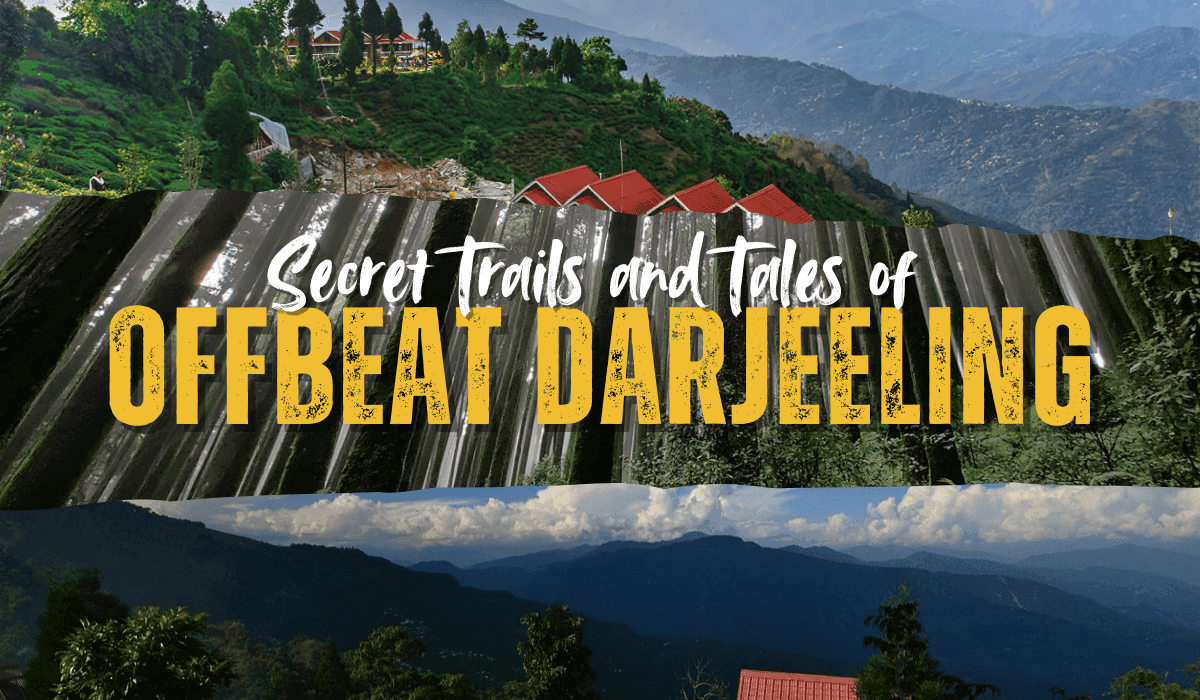
Secret trails and tales of Offbeat Darjeeling
The iconic toy train, green tea gardens, and breathtaking views of Kanchenjunga are all used to describe Darjeeling. But let us tell you a secret: this hill station also had a more subdued, intimate side. A world where mist-shrouded towns, untainted forests, and ancient customs thrive away from the crowds? Besides being a destination to […]
 Travel Guide
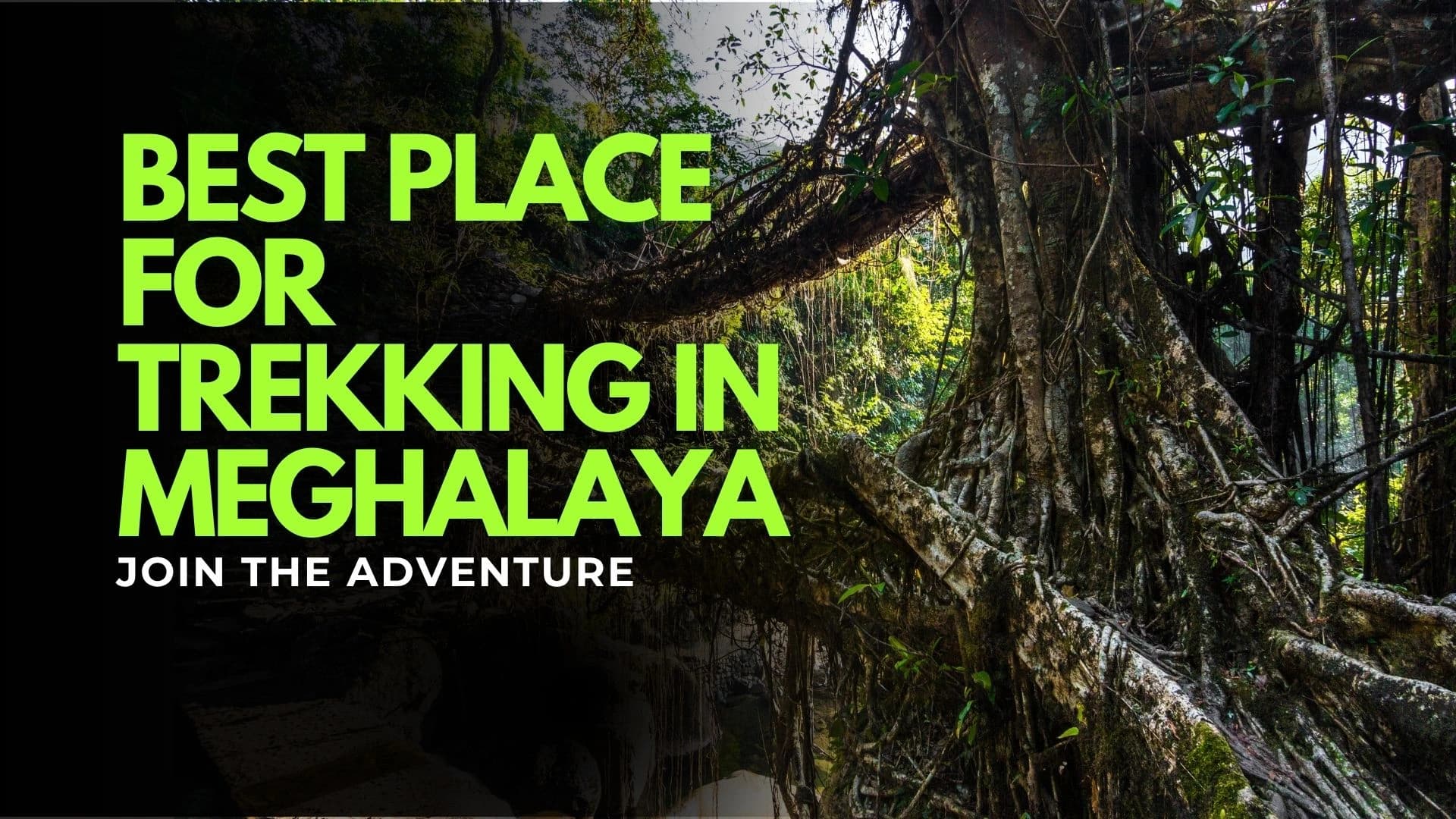
Top Trekking Spots in Meghalaya
Let’s face it, when most people think of trekking in India, the Himalayas come to mind. Snowy peaks, high altitude, maybe a temple or two. Nothing wrong with that. But trekking spots in Meghalaya offer something entirely different: fewer crowds, more greenery, and Meghalaya weather you didn’t know you were missing. It’s a little state […]
 Travel Guide
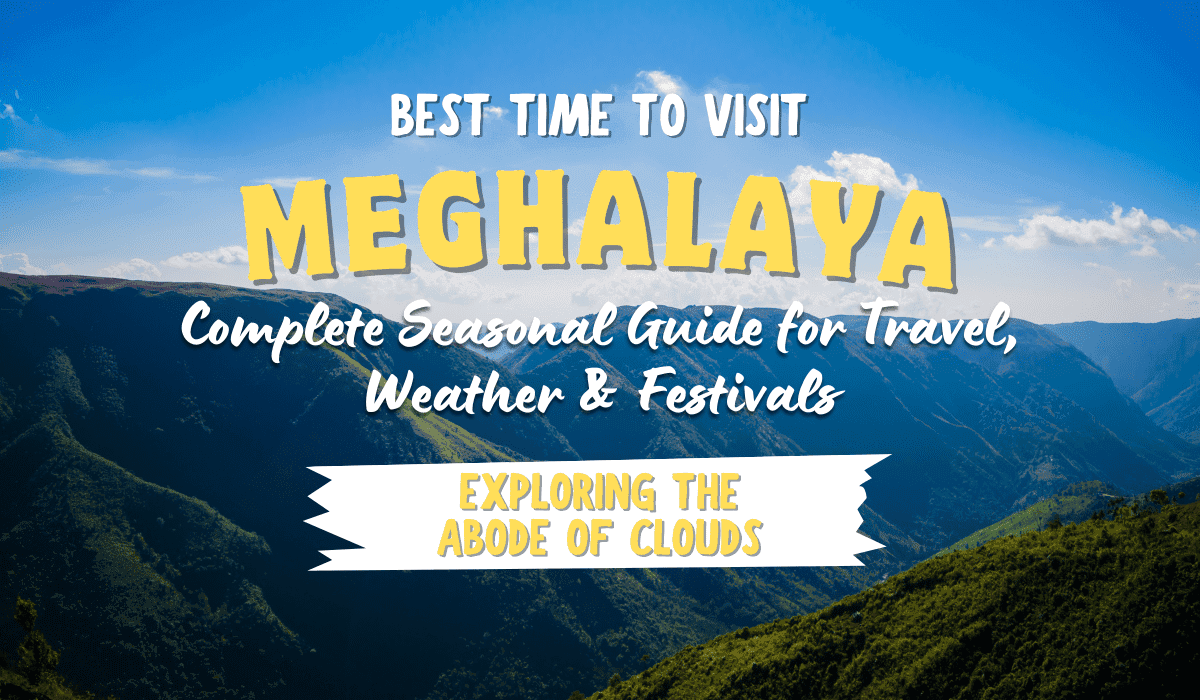
Best Time to Visit Meghalaya: Complete Seasonal Guide for Travel, Weather & Festivals
Nestled in the lush green hills of Northeast India, Meghalaya is a paradise for adventurers, nature lovers, and culture enthusiasts. Whether you’re chasing waterfalls, trekking through ancient forests, or immersing yourself in lively tribal festivals, the best time to visit depends on what you want to experience. Our guide breaks down the seasons, local events, […]
 Travel Guide
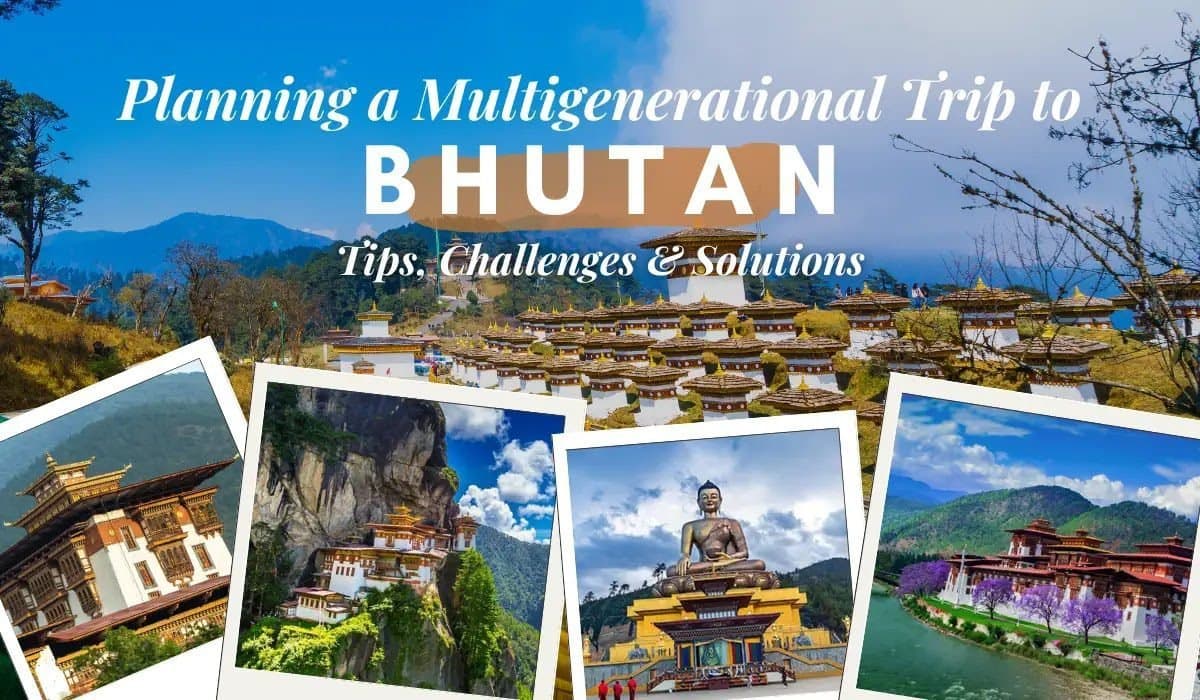
Planning a Multigenerational Trip to Bhutan: Tips, Challenges & Solutions
Bhutan offers a unique blend of tranquillity, culture, and natural beauty, making it an ideal destination for travellers of all ages. Whether it’s your child’s first international trip or your parents’ dream spiritual getaway, Bhutan’s welcoming people, clean environment, and peaceful pace create a perfect setting for family bonding. Planning a Trip to Bhutan? Check […]
 Travel Guide
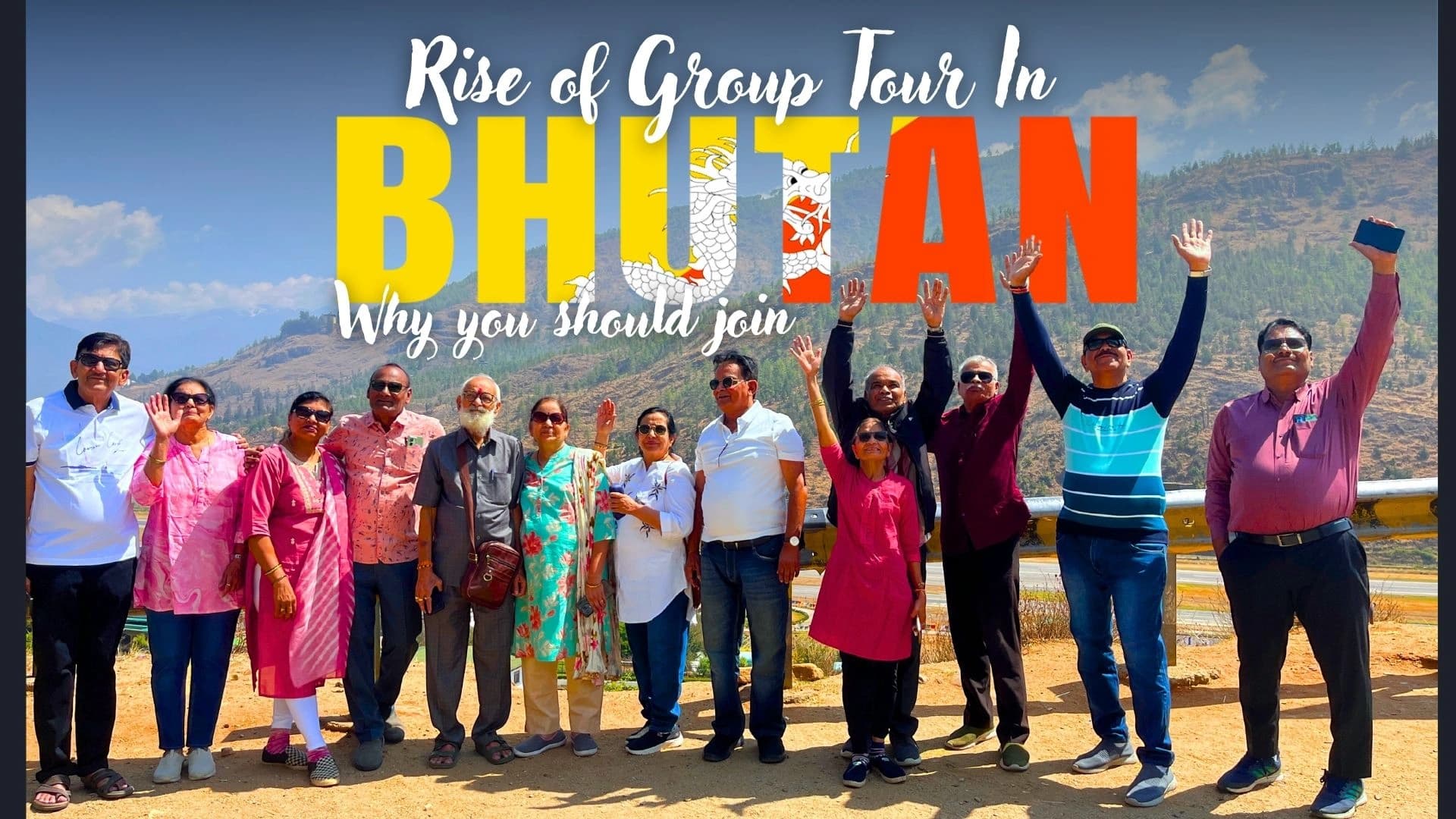
The Rise of Group Tours to Bhutan in 2025- Here Why You Should Join In
Bhutan, the mystical Himalayan kingdom, invites travellers for the Bhutan Group Tour 2025. From rich culture and spiritual depth to eco-conscious travel, it offers a one-of-a-kind experience. With pleasant Bhutan weather throughout most of the year, exploring its valleys and monasteries becomes even more enjoyable. A definite trend beginning to take shape this year: Group Tours […]
 Travel Guide
TTF Ahmedabad 2025: Join Tripjyada at India’s Top Travel Fair
Brace yourself for India’s largest travel trade fair, Travel Trade Fair 2025 Ahmedabad, taking place from July 31 to August 2 at Mahatma Mandir Convention & Exhibition Centre, Gandhinagar. Fairfest Media Ltd’s once-a-year Travel Trade fair is a mega travel and tourism fair where you can explore. Connect and grow in travel. With more […]
 Travel Guide
Discover Travel’s Biggest Stage: Tripjyada at IITM Bangalore 2025
Discover Travel’s Biggest Stage: Tripjyada at IITM Bangalore 2025 Are you ready to turn your travel dreams into reality? Tripjyada is thrilled to announce our participation at IITM India—India’s leading travel and tourism exhibition series. We welcome you too. So, Mark, mark your calendars, pack your curiosity, and join us for unforgettable experiences! About IITM […]
 Travel Guide
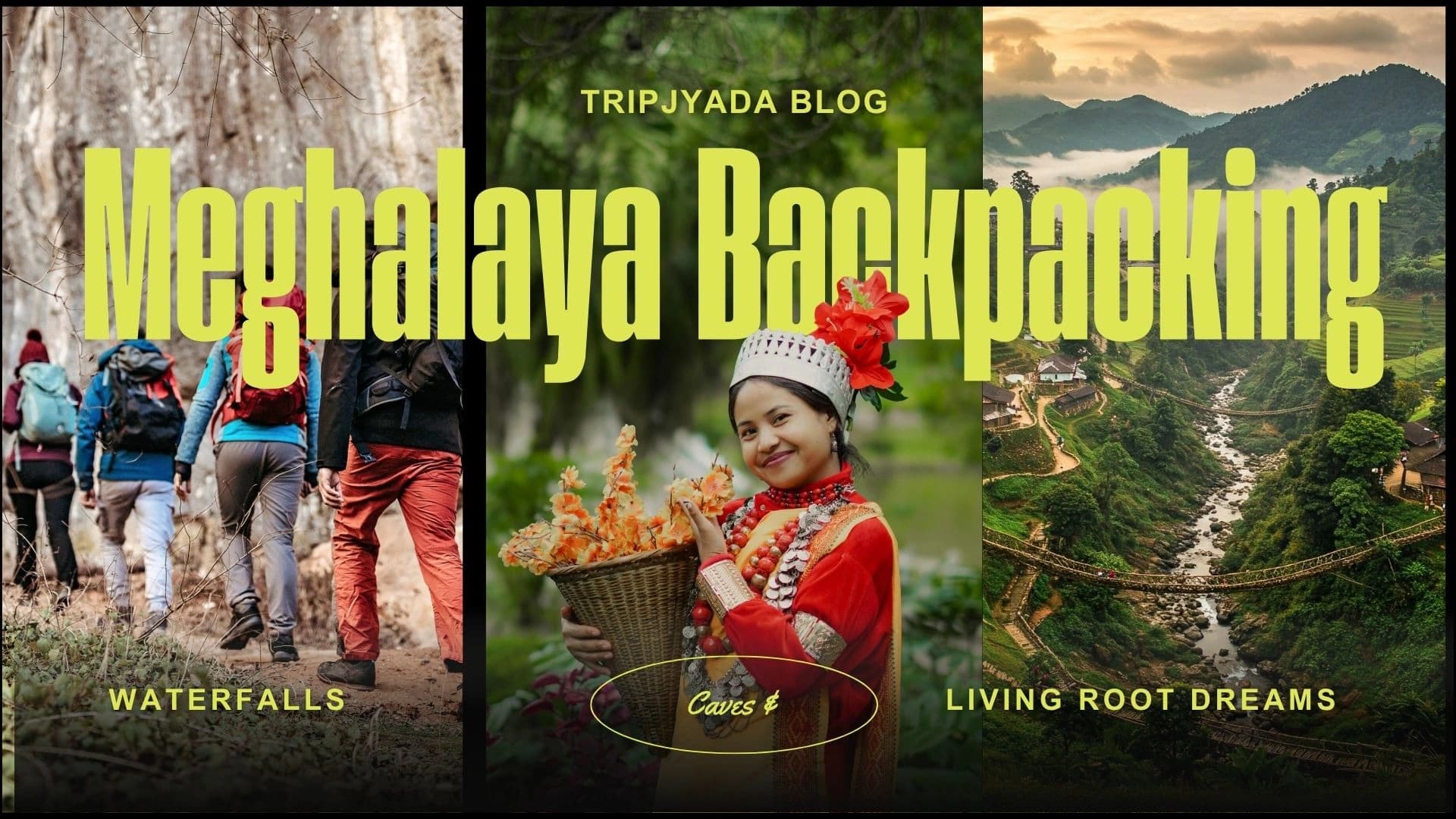
Meghalaya Group Tour with Tripjyda: Discover Waterfalls, Caves & Hidden Trails
Wake up to the sound of waterfalls, walk on living root bridges built by nature, and float over crystal-clear rivers where boats appear as if suspended in mid-air. If this is the kind of adventure that gets your heart racing, then Tripjyda‘s 6 Nights / 7 Days Meghalaya Group Tour is tailor-made for you. Amid Northeast India lies Meghalaya, a nature and adventure haven that every travel enthusiast dreams of. From mist-kissed mountains and green valleys to ancient caves and hospitable local villages, each nook of Meghalaya seems like a fairy tale. Meghalaya […]
 Travel Guide
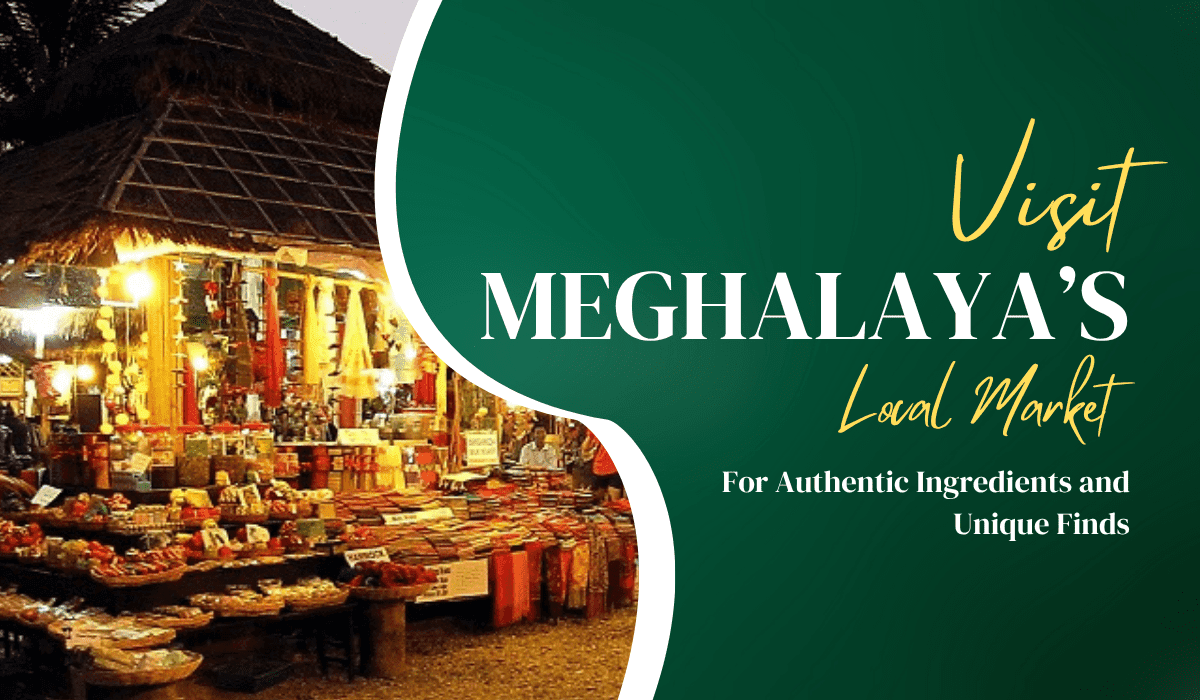
Exploring Local Markets in Meghalaya for Authentic and Unique Ingredients
Shopping in Shillong, Meghalaya, seems like a journey as you travel through the tranquil, friendly streets. Local markets in Meghalaya are vibrant with colours, fragrances, and the voices of generations of vendors. From the forested hills, local gatherers bring pungent spices, wild honey, and fragrant herbs. You’ll also find traditional Khasi dresses, handwoven Scottish […]
 Travel Guide
Romantic Hill Stations in Northeast India for Honeymoon Couples
Signed the vows. Time to write the untamed chapter, when love is in the air and wedding bells have faded into pleasant memories, it’s time for a romantic getaway. Northeast India, with its misty mountains, unspoiled beauty, and profound solitude. It has the Best Hill Stations for a Honeymoon in Northeast India. These sites are […]
 Travel Guide
Top Camping Spots in Arunachal: Camping Under the Stars
Imagine waking up to the sound of rustling pine trees, fresh mountain air, and a sky so clear that you can see the Milky Way. Welcome to the untamed side of the Northeast, where the top camping spots in Arunachal beckon you to replace hotel walls with tents and city lights with starlit skies. Every […]
 Travel Guide
Celebrate Diwali 2025 Differently: Sikkim, Darjeeling or Bhutan?
As the season of lights approaches, the air in India begins to shimmer with anticipation. Streets twinkle with fairy lights, rows of clay diyas warm homes, and families meet to share sweets, blessings, and laughter. Fireworks glitter in the night sky, symbolising the joy that Diwali provides to everyone’s heart. It’s no surprise that many […]
 Travel Guide
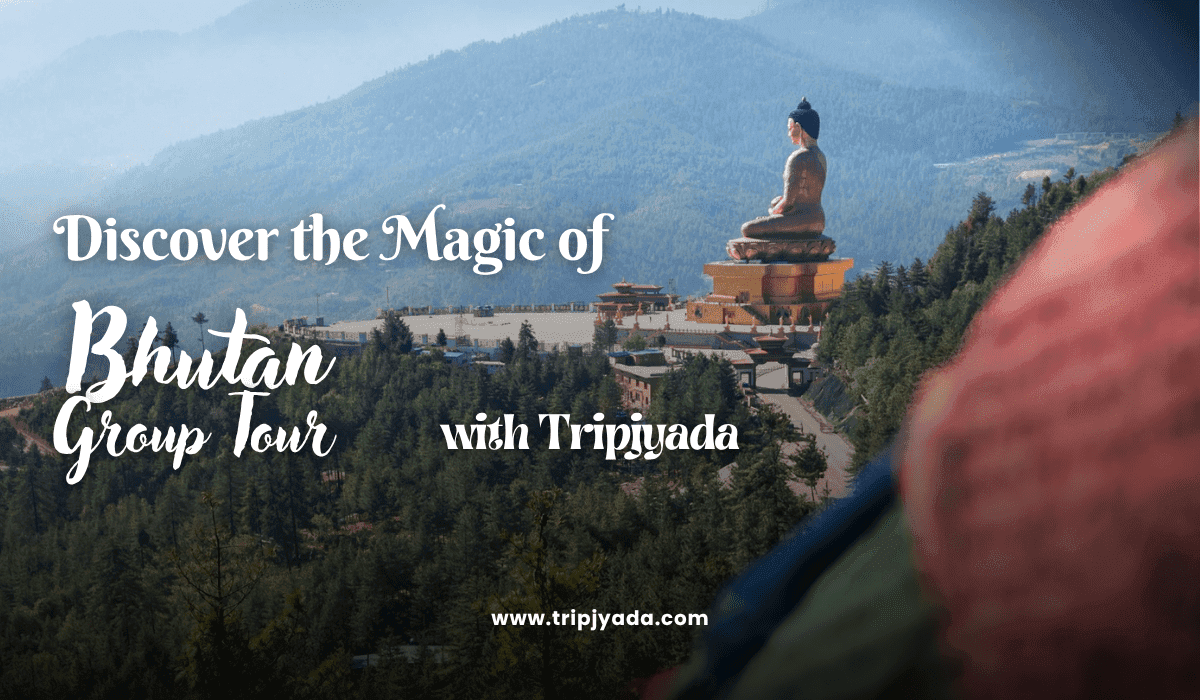
Bhutan Group Tour @ ₹24,499 – Includes SDF & Guide Fee
Are you ready to visit the mystical Land of the Thunder Dragon? Join Tripjyada’s Bhutan group tour for just ₹24,499 per person, including the Sustainable Development Fee (SDF) and guide fees! Our Bhutan group tour packages in 2025 are ideal for travellers who are already familiar with the country’s appeal. They are affordable, dependable, and […]
 Travel Guide
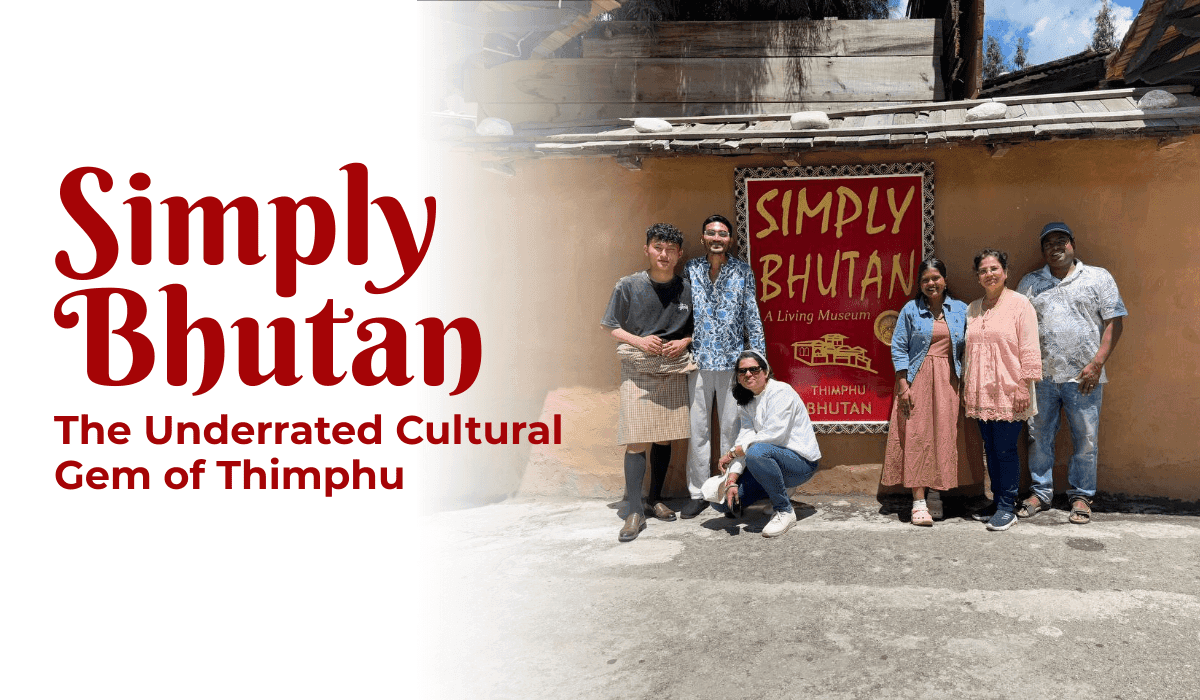
The Underrated Cultural Gem of Thimphu: Simply Bhutan
Tucked away in the heart of Bhutan’s capital is a site that many visitors miss, but it contains the soul of the country. The Simply Bhutan Museum in Thimphu is more than a Underrated Cultural Gem of Thimphu, it’s a portal to the country’s rich traditions, welcoming hospitality, and ageless architecture. While most tourists flock […]
 Travel Guide
Top 10 Historical Places in Arunachal Pradesh: History Meets Himalayas
Close your eyes and visualise yourself standing on the edge of an Arunachal Pradesh misty hill. The air is clear, the clouds caress your face, and you hear a whisper in the distance, not of people, but of time itself. Not only is this area stunning, but it is also ancient, full of tales etched […]
 Travel Guide
Best Sikkim Tour Packages for 2025: Gangtok to Glory
As we enter 2025, it’s time to venture beyond the typical tourist paths and enjoy the authentic charm of this Himalayan region. And what better place to start than Gangtok, the heart of Sikkim? From then on, the journey only improves. The Best Sikkim Tour Packages allow you to discover not only Gangtok but also […]
 Travel Guide
Discover Historical places of Bhutan
Hidden deep in the lap of the Eastern Himalayas, Bhutan is often called the “last Shangri-La”. This small state, stuck between India and China, is a land where snow-covered peaks protect the ancient fort, and the flags of prayer are in the air. Unlike any other destination, Bhutan has managed to preserve its traditions, culture […]
 Travel Guide
Budget Friendly Sikkim Tour Packages for Couple
Hey there, lovebirds! Looking for a romantic escape that screams aesthetic vibes without draining your savings? Sikkim is calling! Misty mountains, fictional lakes, comfortable cafes, and a culture that feels out directly from a story, this Himalayan gem is perfect for couples that crave both adventure and romance. And here is the best part: you […]
 Travel Guide
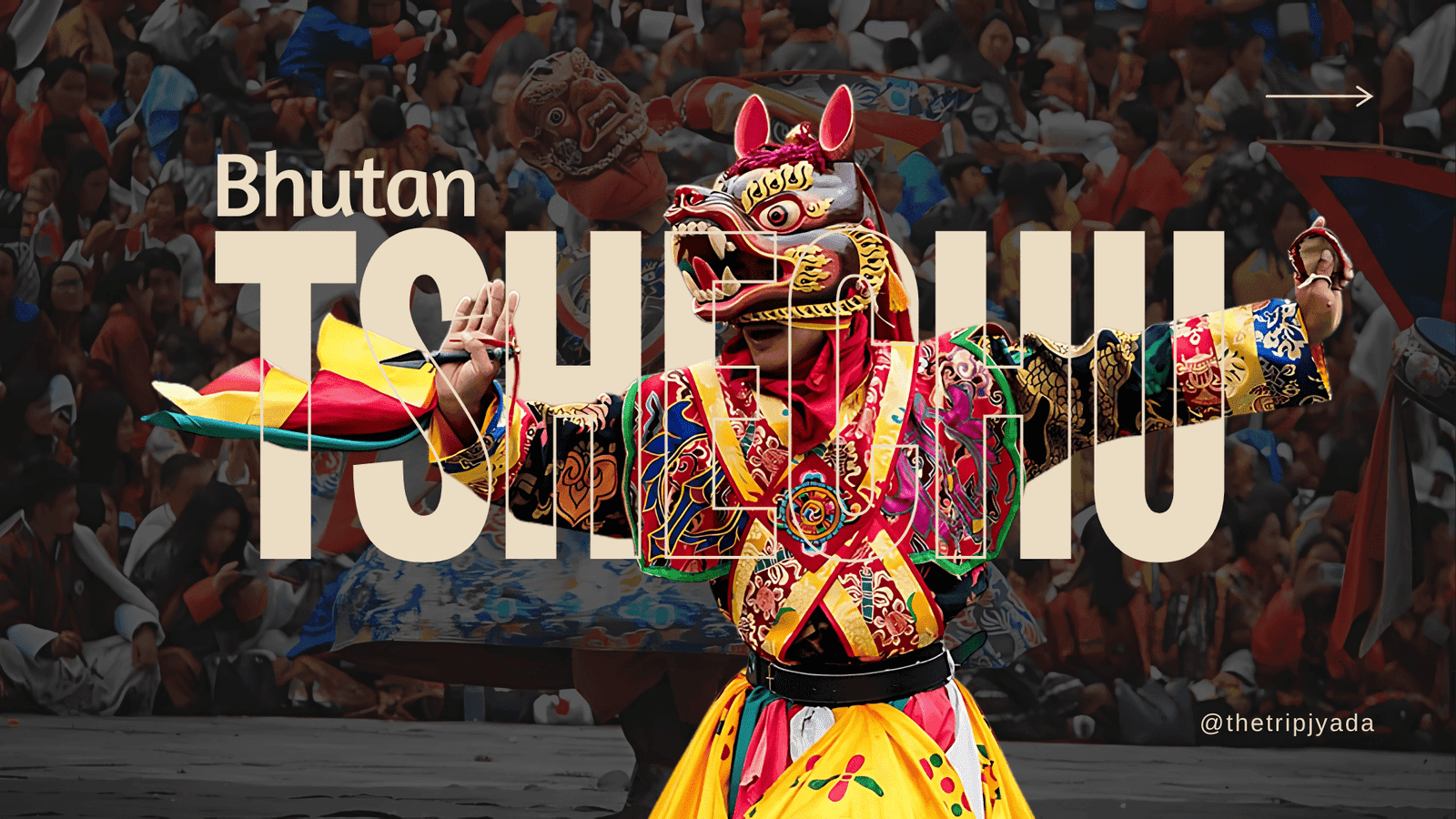
Tshechu Festival 2025: A Spiritual and Cultural Celebration in hills
Festivals represent the essence of a nation. To bring together festivals such as Diwali, Durga Puja, and Holi in India by brightening the environment with music, colours, and lights. Nonetheless, festivals in Bhutan possess an enigmatic essence as they relate to spirituality, age-old legends, and lively traditions. The Tshechu Festival is the most renowned celebration in Bhutan. If you are thinking about visiting Bhutan, the Tshechu Festival 2025 promises a memorable experience that brings history, culture and trust to life. What is the Tshechu Festival? The word Tshechu means “tenth day” and this festival is celebrated 10th […]
 Travel Guide
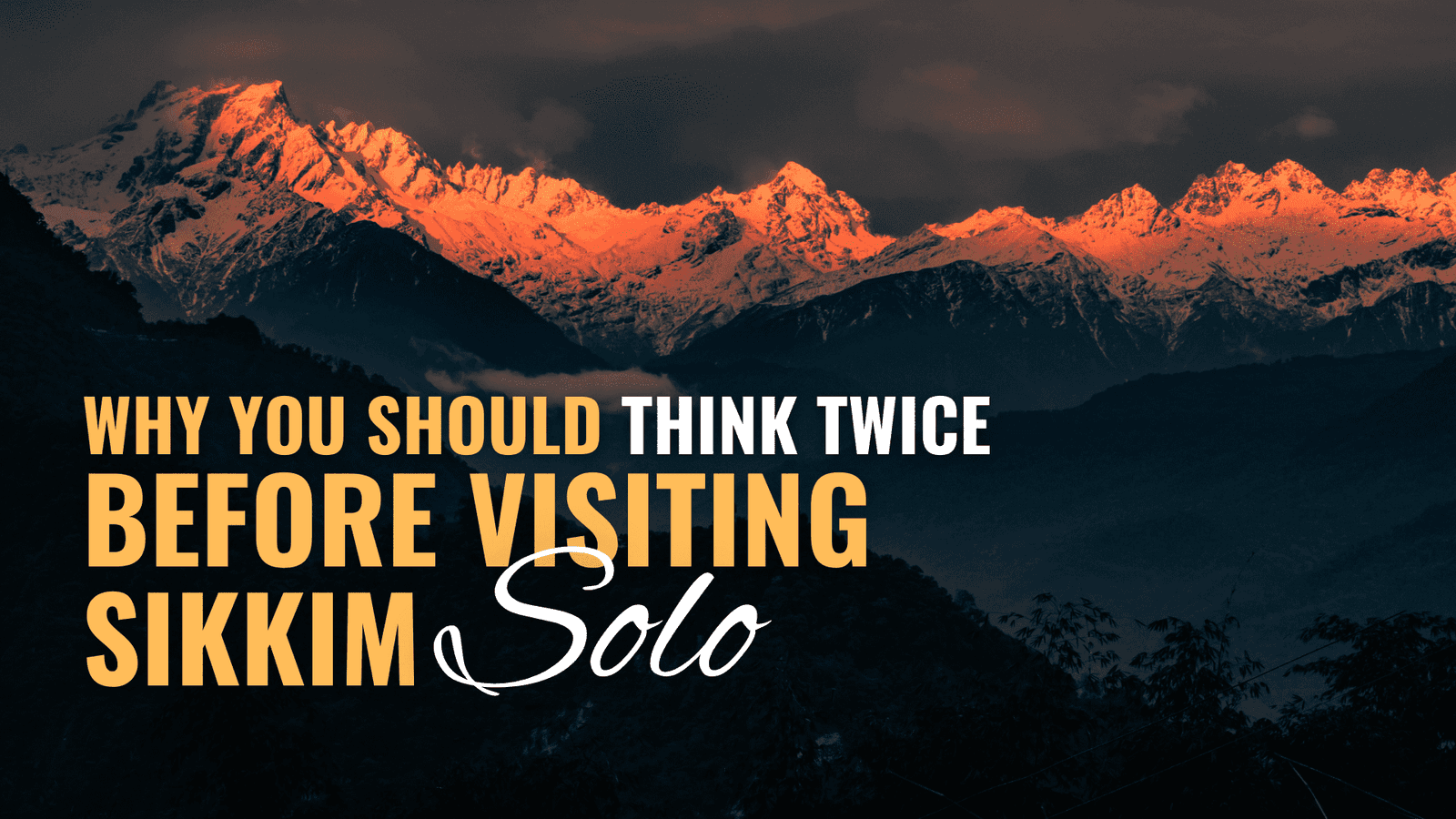
Why You Should Think Twice Before Solo Travel in sikkim
Stand among the stunning mountains of Sikkim, surrounded by succulent valleys and misty monasteries. Visiting Sikkim is a dream for every traveller, as it is worth experiencing at least once in a lifetime. While a single journey often promises adventure and personal reflection, travelling solo in Darjeeling or Sikkim can be quite challenging. Unique obstacles, […]
 Travel Guide
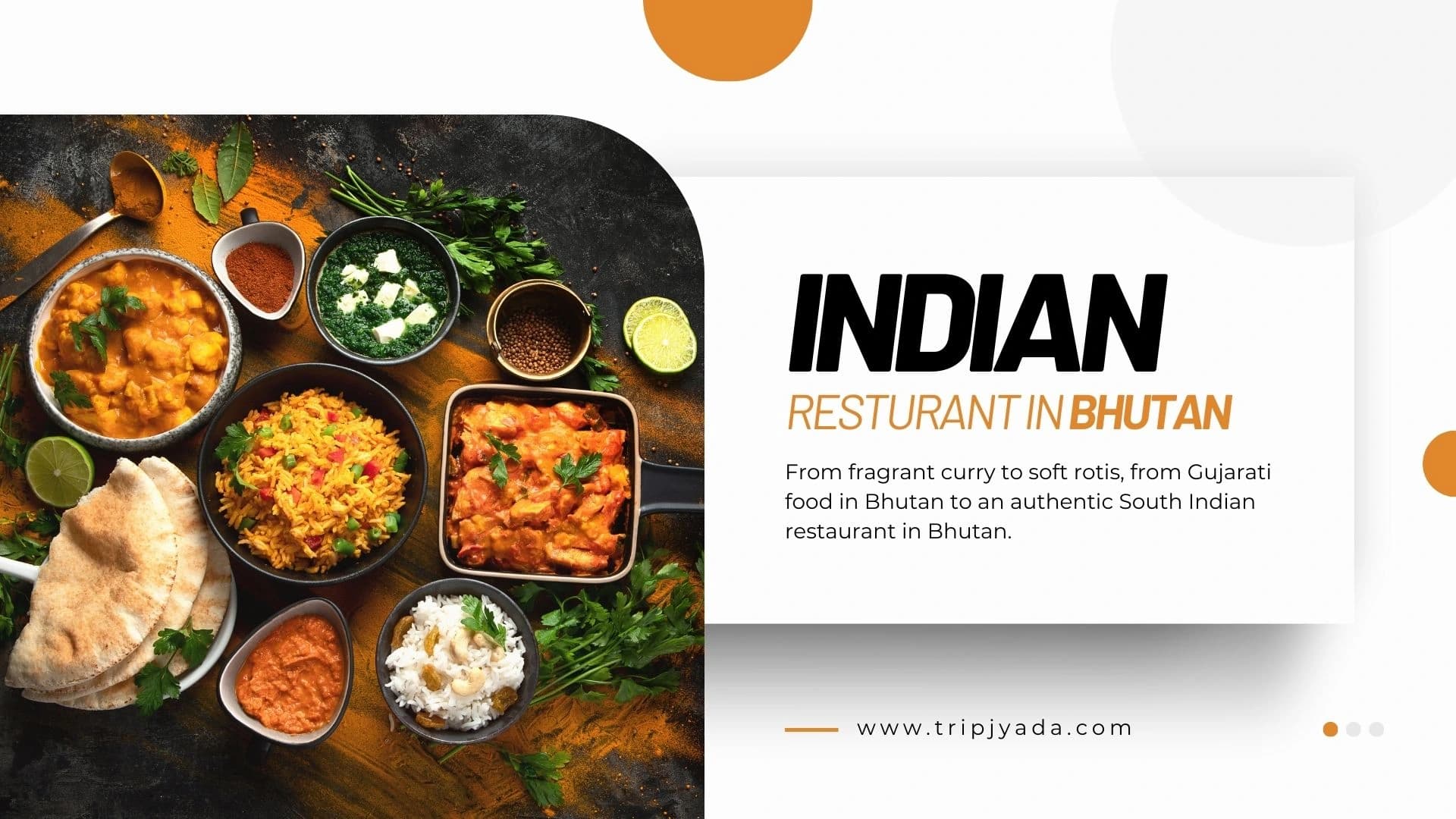
Best Indian Restaurants in Bhutan for Authentic Flavors
If you are travelling to Bhutan and craving the taste of the house, you will be happy to know that finding an Indian restaurant in Bhutan is easy to do. From fragrant curry to soft rotis, from Gujarati food in Bhutan to an authentic South Indian restaurant in Bhutan, there is a lot to offer […]
 Travel Guide
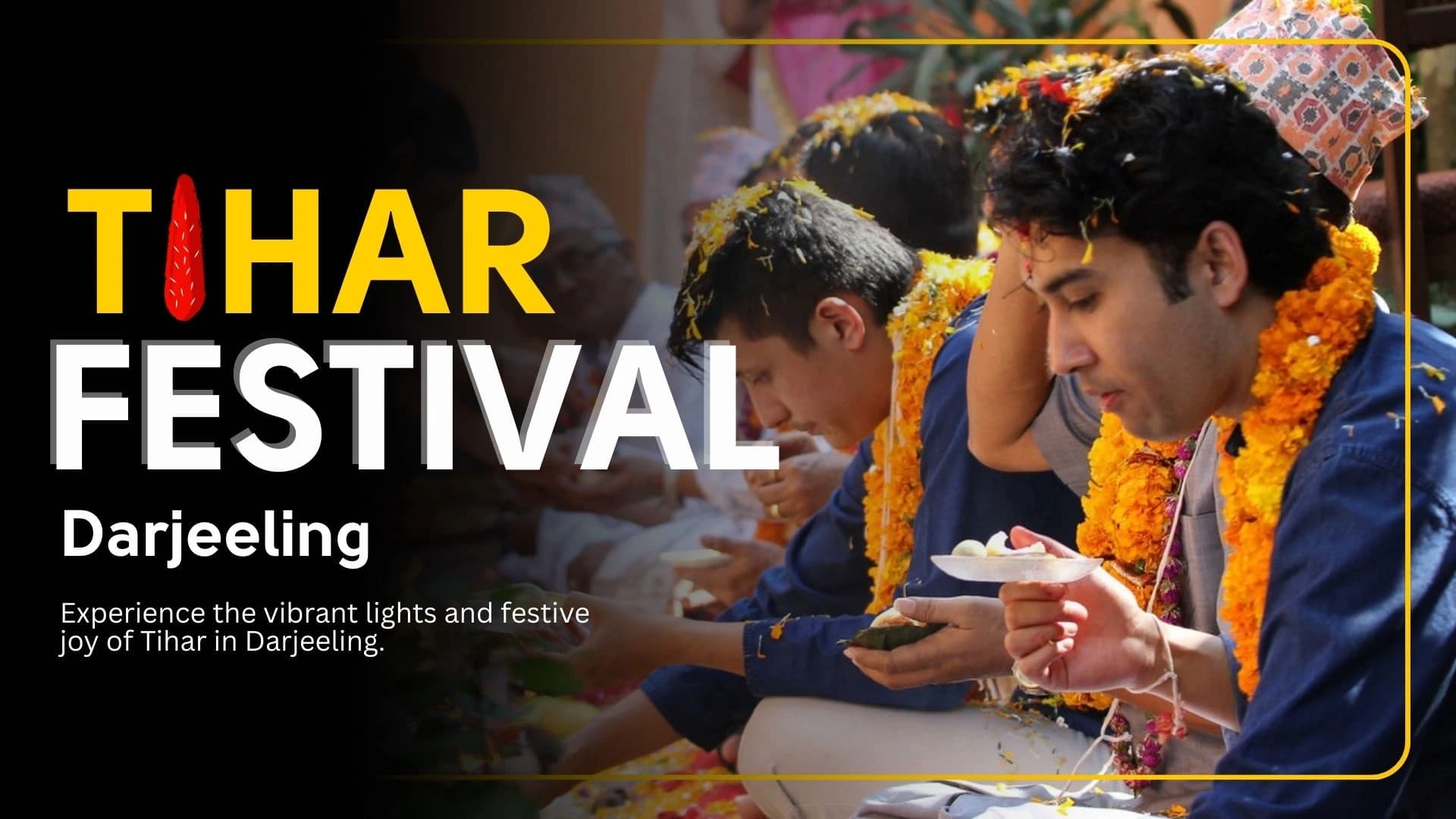
Tihar Festival in Darjeeling – A Cultural Celebration in Hills
India is a land where festivals are not just occasions, but soulful celebrations, painting streets with colours, filling the skies with lights, and filling hearts with joy. From Diwali’s sparkle to Holi’s hues, every festival tells a timeless story of unity, love, and tradition. Drums beat, lamps glow, and laughter fills every corner. Hill festivals […]
 Travel Guide
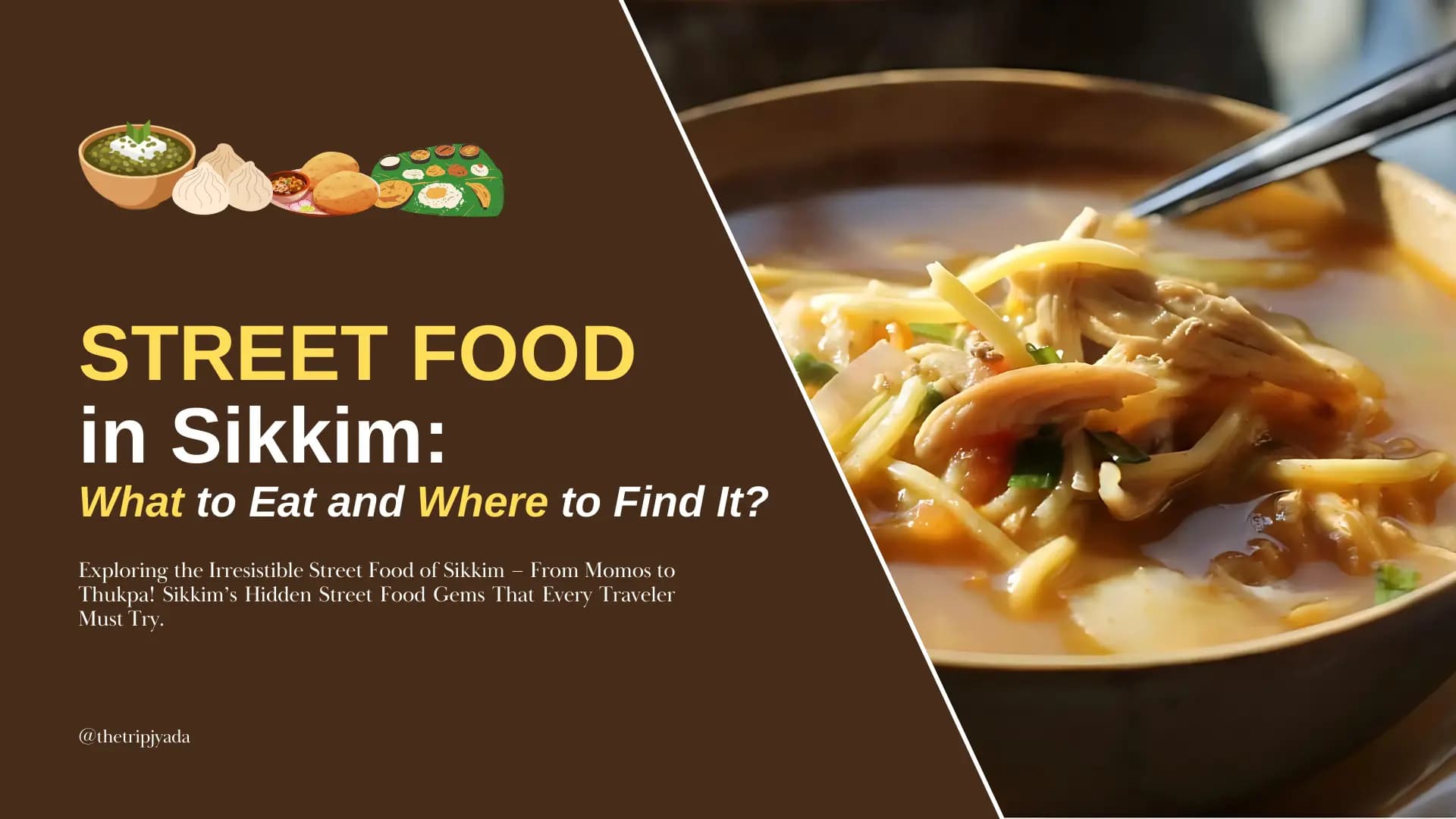
Street Food in Sikkim: What to Eat and Where to Find It
Sikkim is a way of wrapping you in your attraction. Nothing else holds that rhythm better than food. Sikkim food is simple, intimate and full of warmth, just as the people here. Certainly, you will find a lot of restaurants, but its heart is on the streets. Stalls tucked in busy corners, sellers serving piping […]
 Travel Guide
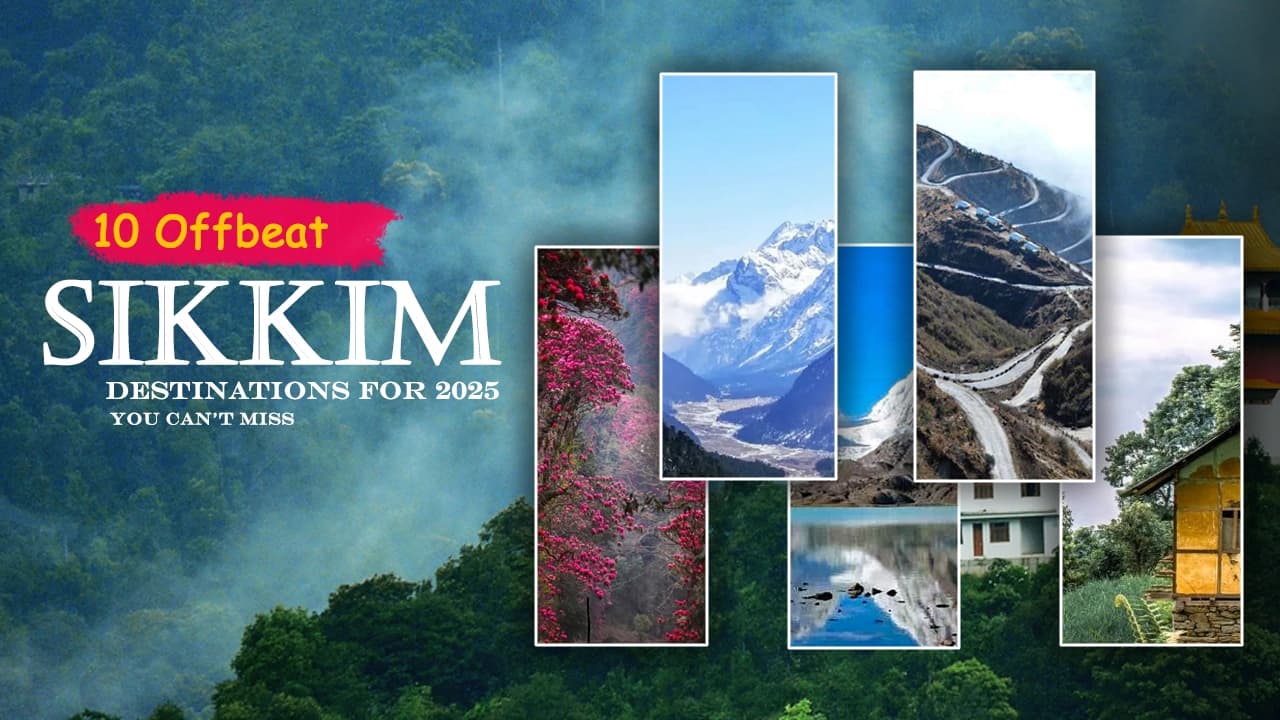
10 Offbeat Sikkim Destinations for 2025 You Can’t Miss
Sikkim is calling in 2025. And it is much more than Gangtok or Pelling! If you are tired of the same old tourist checklist, the time has come to dive into the hidden side of Sikkim. Imagine waking up in a comfortable Sikkim offbeat homestay for the joints, drinking local butter tea, and gazing at […]
 Travel Guide
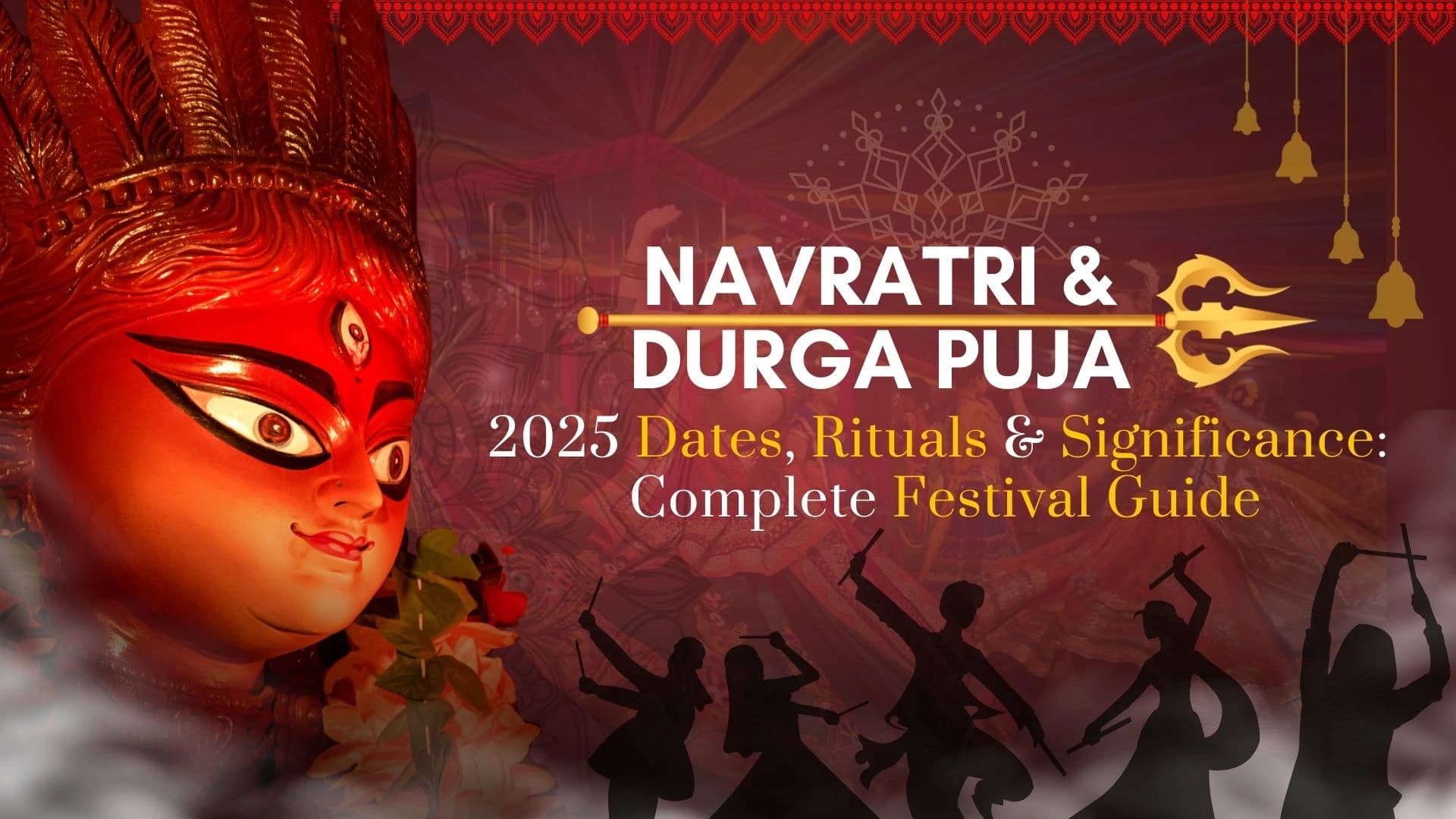
Durga Puja & Navratri 2026 Dates, Rituals & Significance: Complete Festival Guide
In that part of the “silence” of the universe where secretly stars talk, and the rivers sing to the moon, floats an energy as old as time: the divine feminine. She is an essence of the divine. She is a force that breathes spirit into creation. She is the same spirit that tenderly and fiercely […]
 Travel Guide
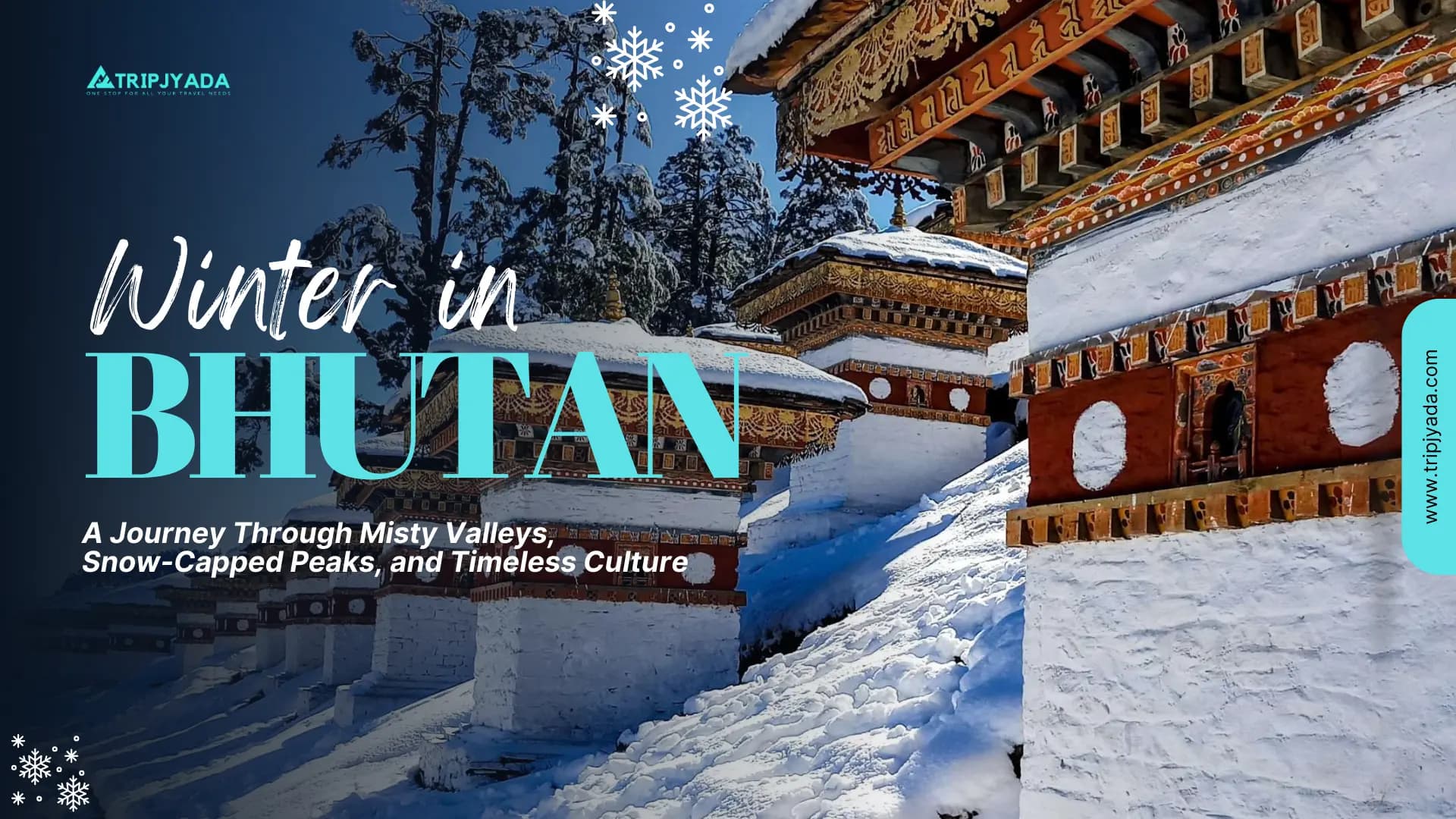
Bhutan In Winter: Why It’s the Best Time to Explore the Land of the Thunder Dragon
Imagine waking up in the morning in the Himalayas, the air so clear it looks like a deep breath for your soul. The solar puts a golden glow on the snow-dust monasteries, and the royal peaks of the Himalayas are long-standing towards a clean blue sky. This is not a dream; it is Bhutan in […]
 Travel Guide
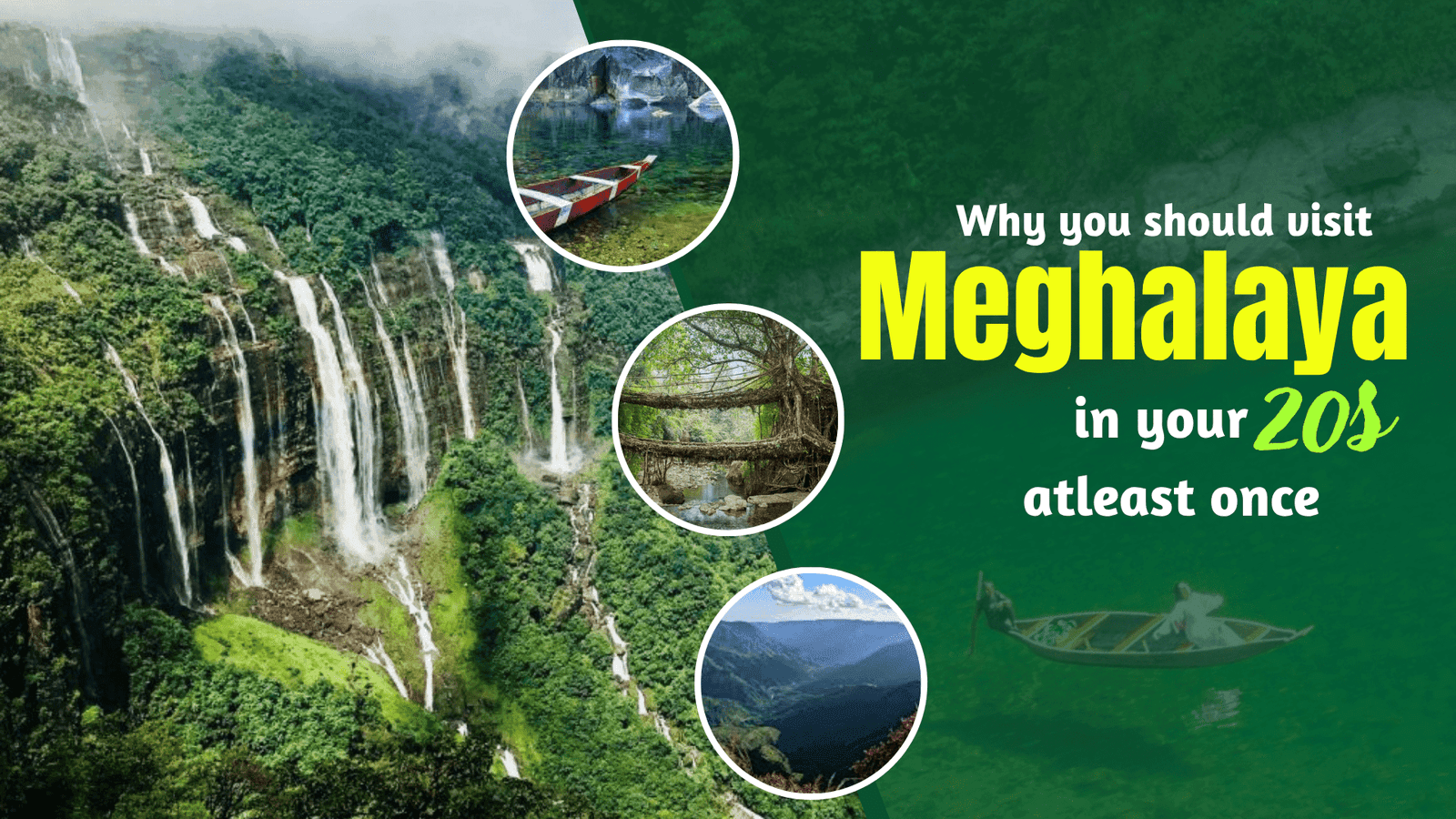
Why you should visit Meghalya in your 20s atleast once
There’s something magical about visit Meghalaya in your 20s. Meghalaya , the “Abode of Clouds” – is calling your name. Trust me, this isn’t just another vacation; it’s the adventure that’ll have you ditching your 9-to-5 dreams for misty hills and heart-pounding treks. Why hit up Meghalaya tourism now, when your energy’s endless and your […]
 Travel Guide
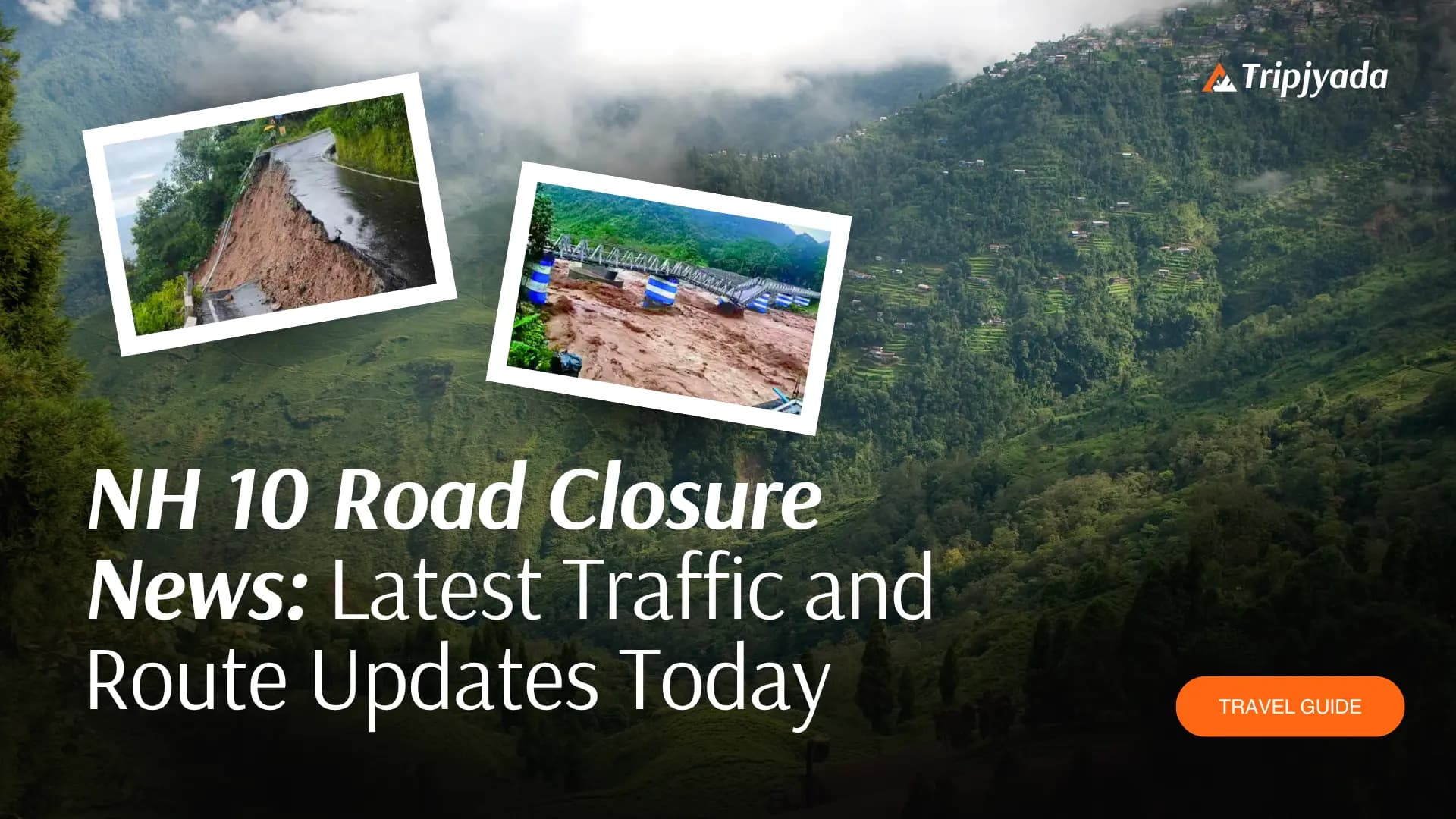
NH 10 Road Update: Landslide Blocks Route at Chitrey & Selfie Dara
As per the latest NH 10 Road update, the NH 10 highway, which was closed on 5th October 2025 due to a massive landslide at Chitrey and Selfie Dara, has now reopened for vehicles and tourists. Authorities started clearing the debris immediately and declared the road safe for controlled movement by early morning today (6th […]
 Travel Guide
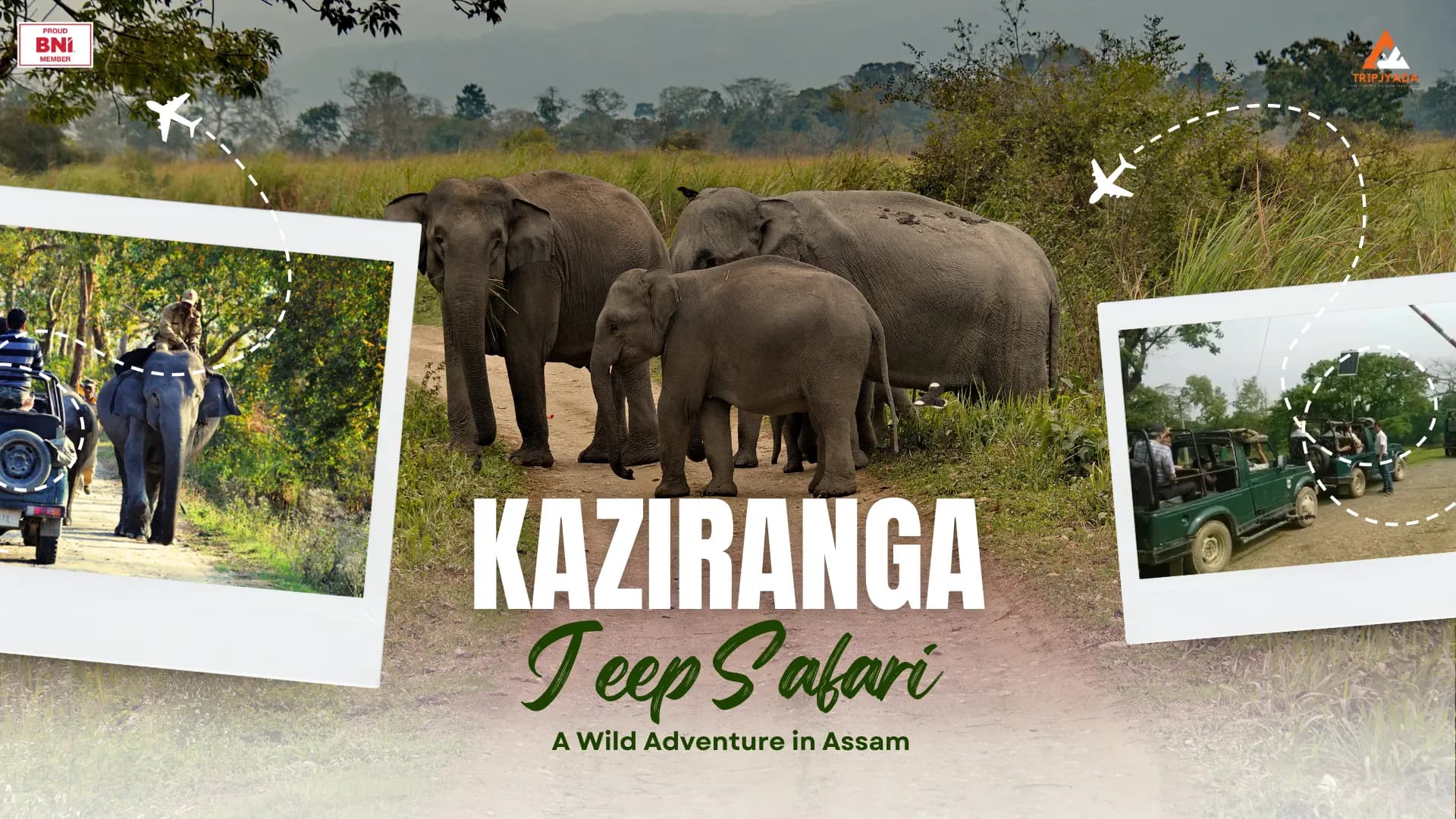
Kaziranga Jeep Safari: The African Safari Experience in India’s Wild East
Have you ever dreamed of an African safari but never left India? Think, golden grasslands stretching to the horizon, herds of bison grazing under the morning sun, and prehistoric-looking rhinoceros standing out against the wide, open sky. Welcome to Kaziranga National Park, the crown jewel of Assam and a UNESCO World Heritage Site, where a […]
 Travel Guide
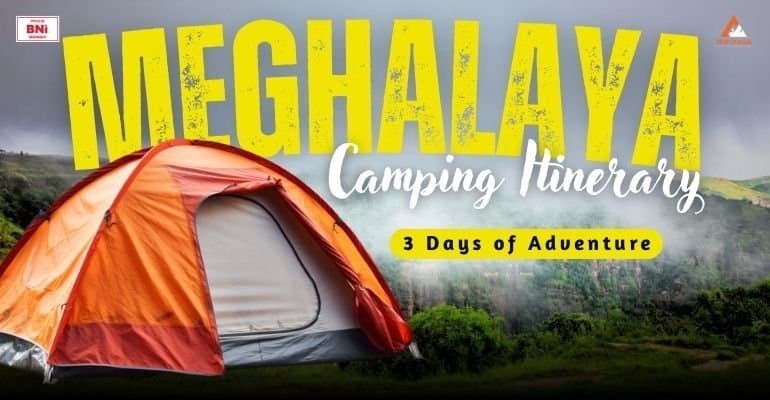
Meghalaya Camping Itinerary – 3 Days of Adventure
This Meghalaya camping itinerary is your invitation to hold your backpack, leave your laptop behind, and step into the raw forest of Meghalaya. Imagine waking up to the sound of a waterfall, hiking through untouched forests, watching the night sky, and sharing stories around a bonfire. A Meghalaya camp isn’t just a trip — it’s […]
 Travel Guide
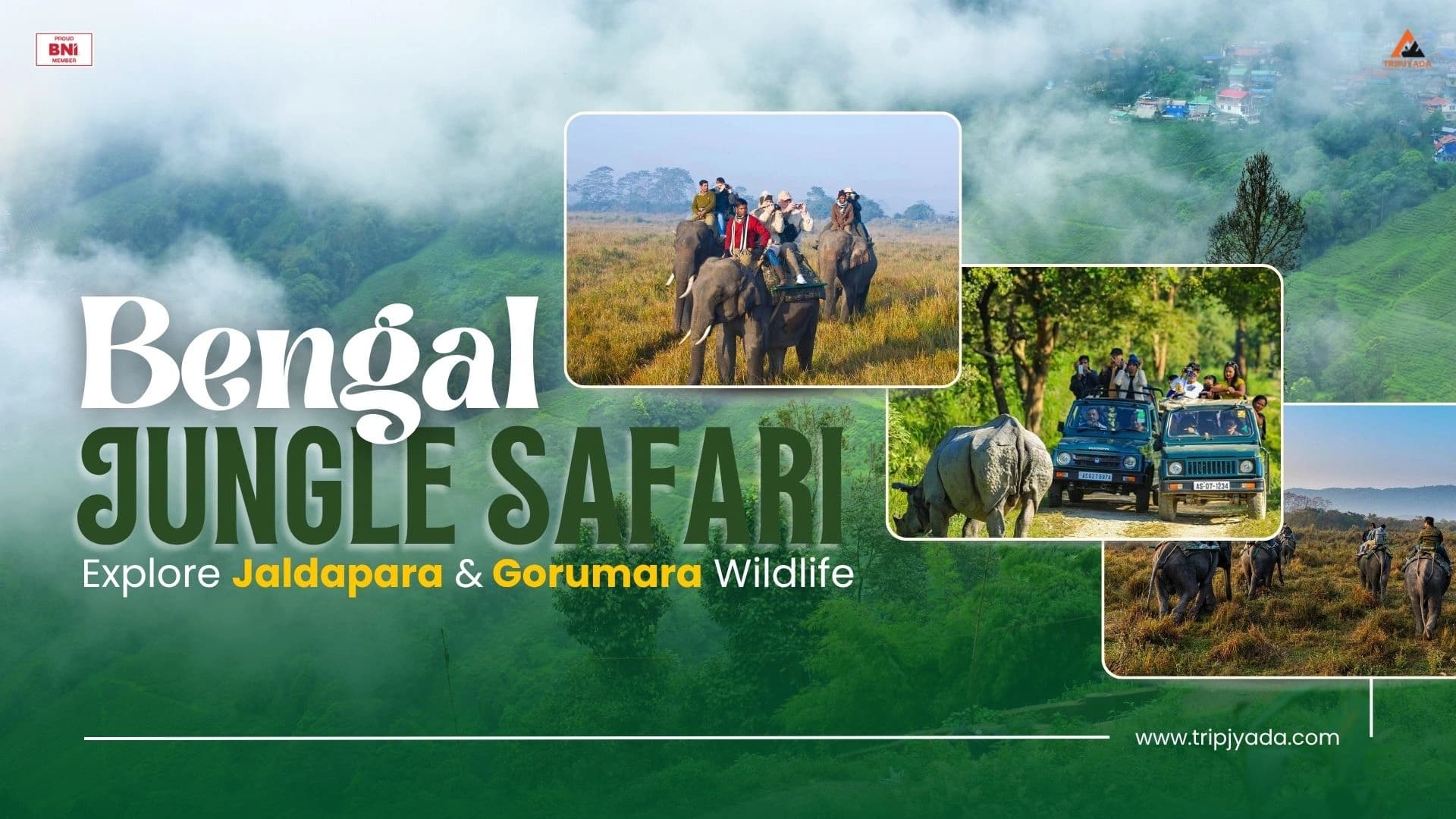
Discover Jungle Adventures in Jaldapara, Gorumara & Bengal Safari
A Bengal Jungle Safari is the perfect way to spend a day you didn’t know what to do with. Picture this: you’ve just checked out of your cosy hill resort after breakfast, your bags packed with memories. Your flight or train out of Bagdogra (IXB) or New Jalpaiguri (NJP) isn’t until late evening. The day […]
 Travel Guide
Why Sikkim is the next best destination for winter lovers this December
Are you a winter enthusiast? As winter drapes the Himalayas in a snow blanket, Sikkim is the best destination that transforms into a dreamland for travellers. For every winter lover, December in Sikkim is the perfect escape with the snow-capped mountains, frozen lakes, and cosy homestays that welcome travellers with warmth and comfort. Sikkim in […]
 Travel Guide
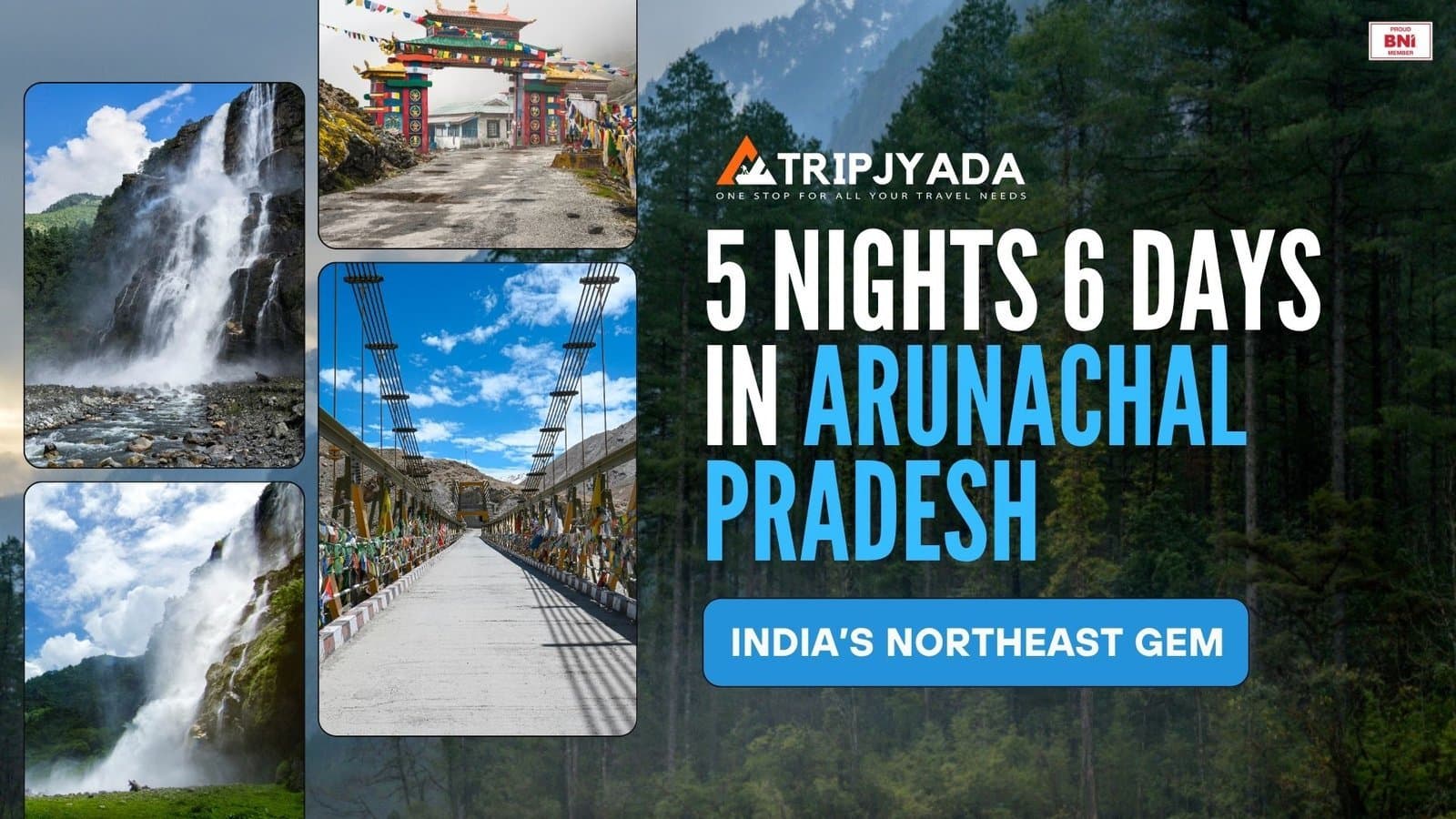
India’s Northeast Gem: 5 Nights 6 Days Arunachal Pradesh Tour Package 2026
“Land of the Dawn-lit-mountains”, Arunachal Pradesh, is a mystical place in India, and the first Indian soil to greet the rising sun. Planning a trip to Arunachal Pradesh and looking for a perfect 5N/6D itinerary that covers the most scenic valleys, monasteries, rivers, and Himalayan landscapes? This 6-day tour package will be ideal for travellers […]
 Travel Guide
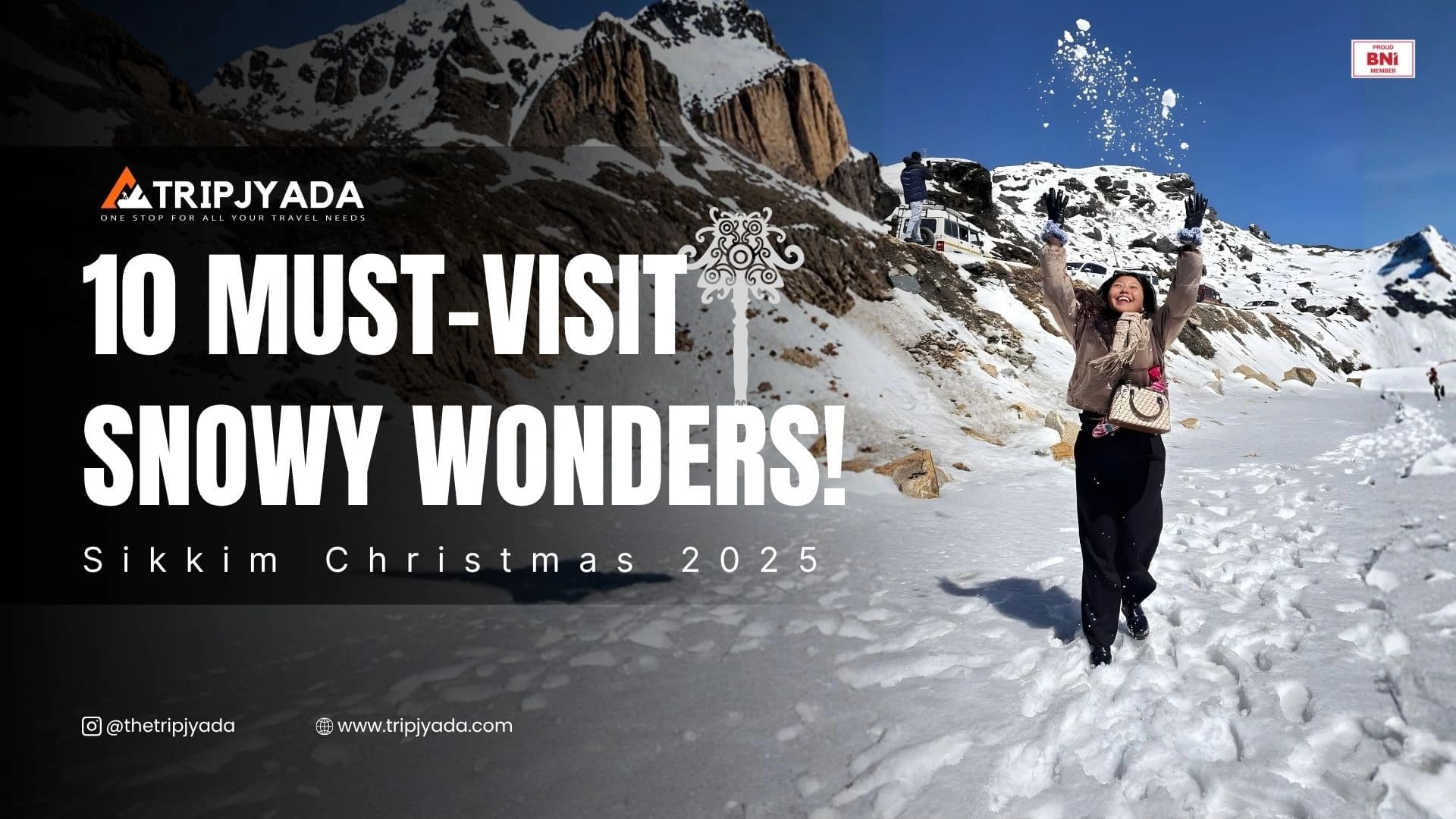
Snow-Dusted Dreams with Festive Mood: 10 Must-Visit Places in Sikkim during Christmas 2025
Imagine you are sitting in the lap of the Himalayas, enjoying eating momos around a bonfire, and the air touches you with a scent of pine and snow; it’s a beautiful experience for mountain lovers. That’s the magic of spending in Sikkim in December. From misty monasteries to snow-kissed valleys, these Best Places to Visit […]
 Travel Guide
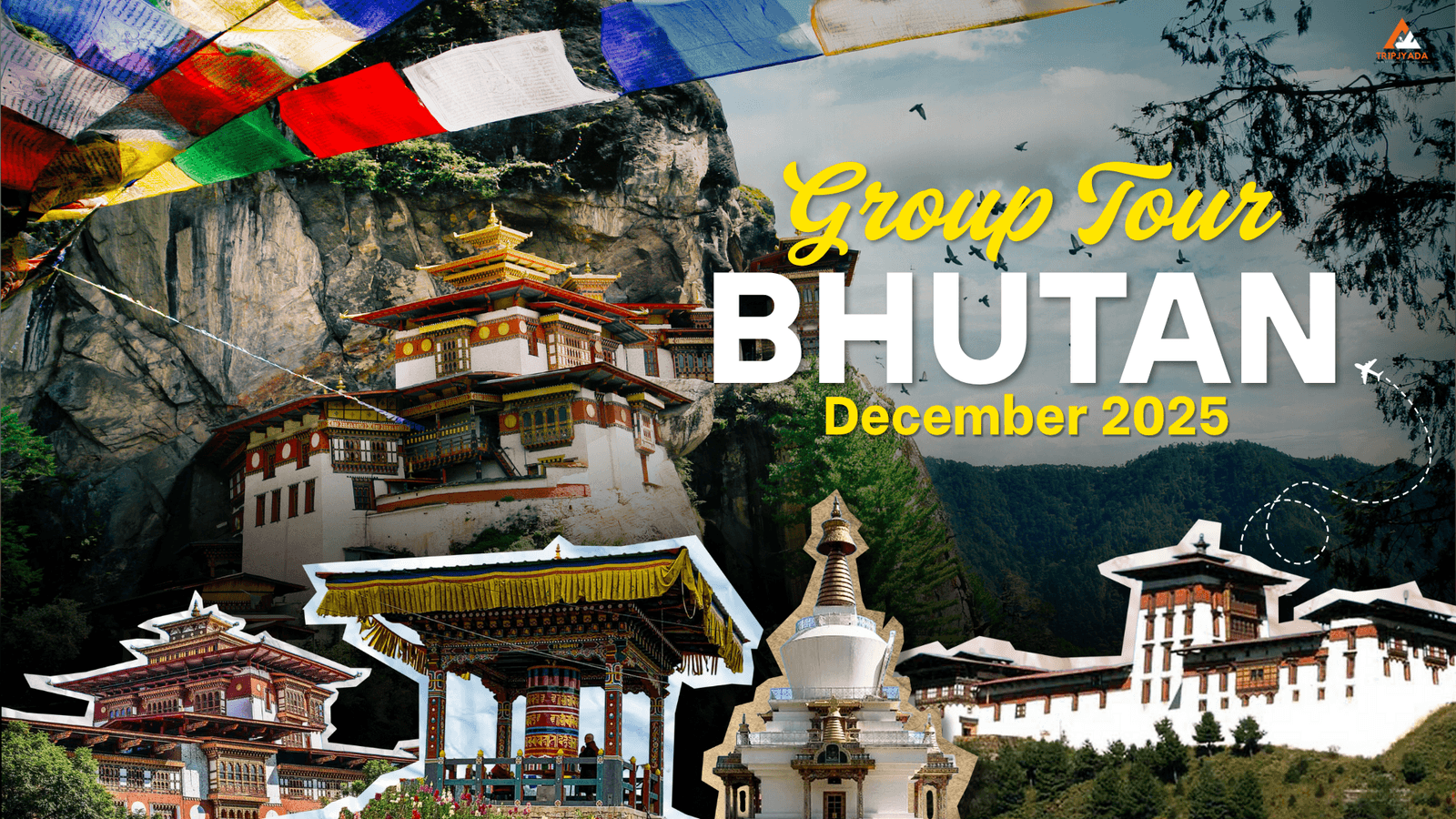
Discover the Magic of Bhutan- Group Tour Packages in December 2025
Hey wanderers, are you ready to visit Bhutan, the mystical land also known as ‘Land of the Thunder Dragon’? Look no further than the Bhutan group tour packages this 25th December 2025. Specifically, it’s perfect for the festive holiday escape. Moreover, the trip blends with culture and traditions, with breathtaking landscapes. Whether you are a […]
 Travel Guide
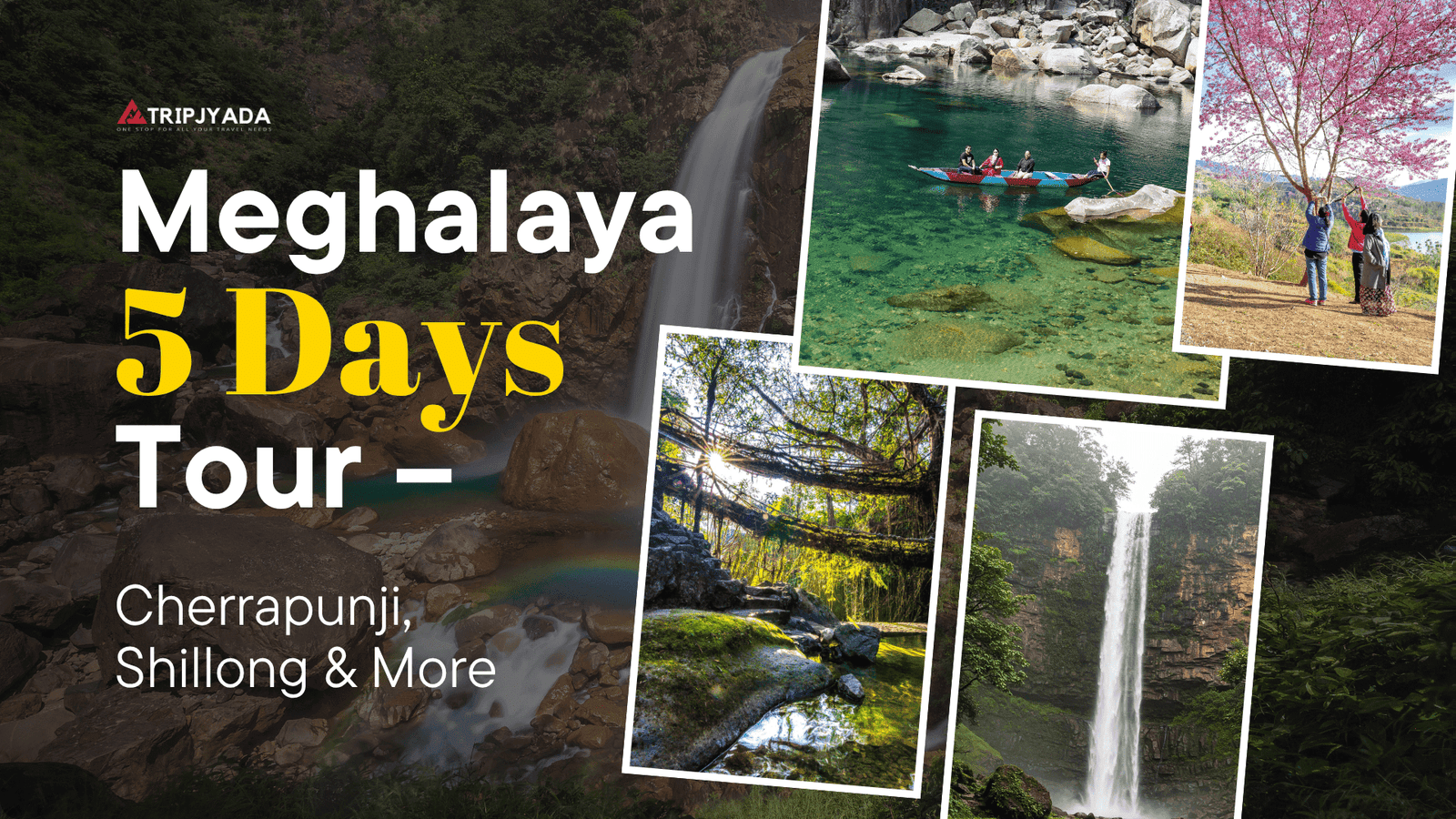
Explore the Heaven in the Hills: 4 Nights 5 Days Meghalaya Tour Package
Explore the misty mountains, whispering waterfalls, and the mystic rhythm of nature. Welcome to Meghalaya, where every turn feels like a scene from a dream. From the crystal-clear water of Dawki’s Umngot River to the lush green valleys of Cherrapunji and the colonial charm of Shillong, now explore our Meghalaya tour package and witness the most […]
 Travel Guide
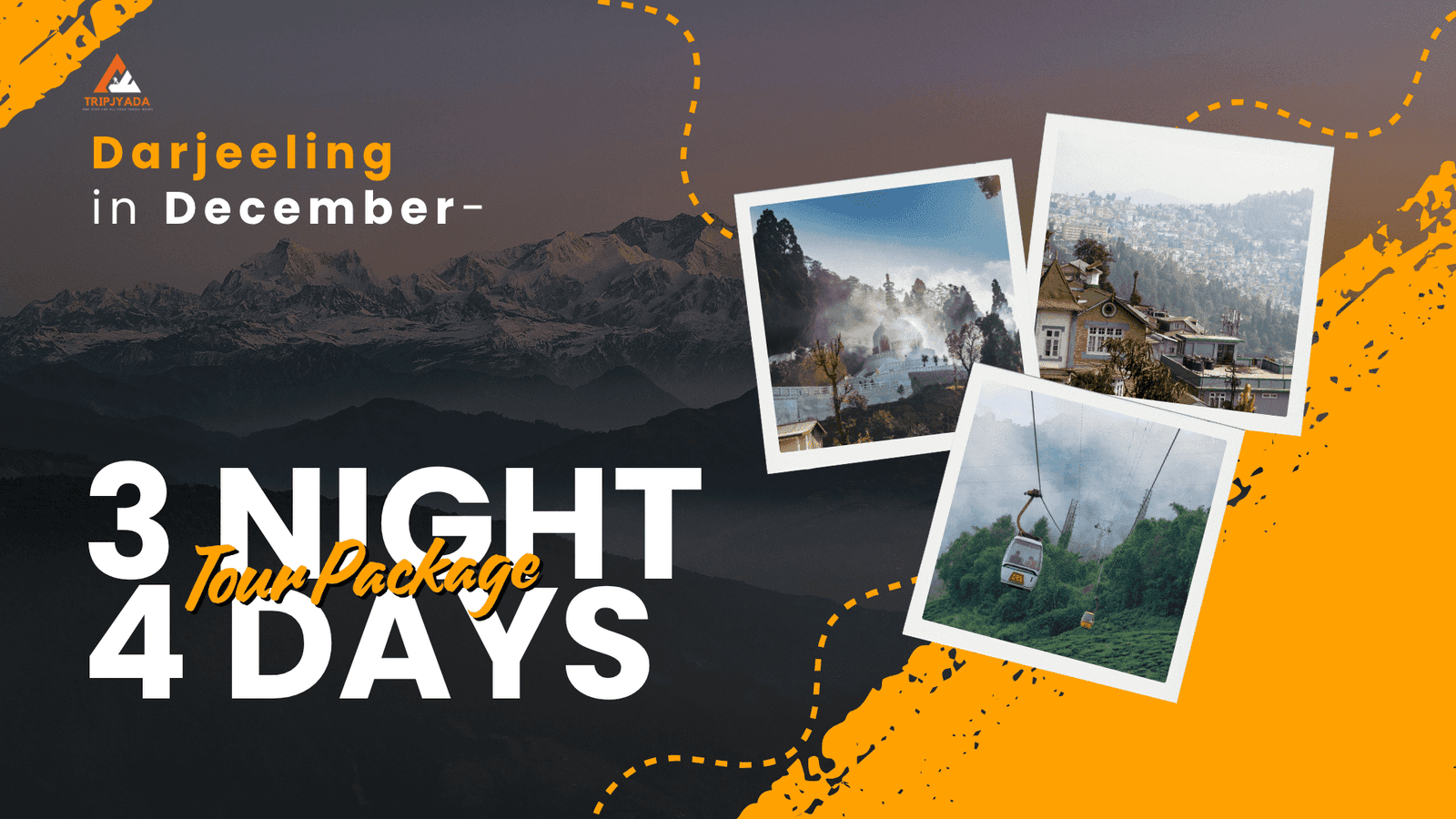
Experience the Magic of Winter in the Queen of Hills- 3 Night 4 Days Darjeeling Tour Package
Situated in the lap of the Eastern Himalayas, Darjeeling, known as the Queen of the Hills, transforms into a snowy wonderland during the winter season. Crisp air, misty morning, and occasional Darjeeling snowfall are painted on canvas with breathtaking views and charming Himalayan beauty. If you are dreaming of Darjeeling in December, our exclusive 3 […]
 Travel Guide
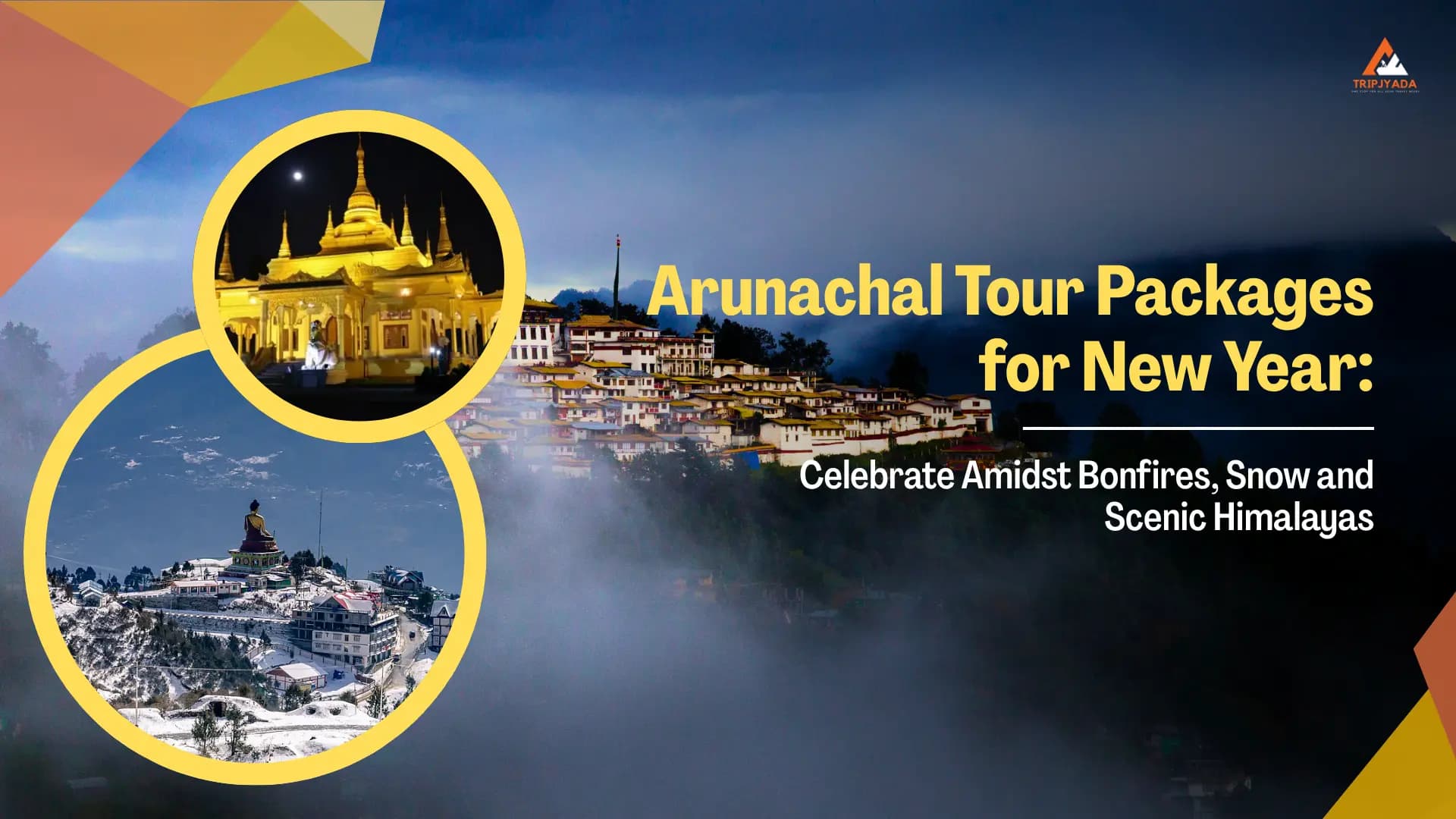
Arunachal Tour Packages for New Year: Celebrate Amidst Bonfires, Snow and Scenic Himalayas
As the clock ticks towards the New Year, if you want to welcome 2026 surrounded by snow-dusted peaks, crackling bonfires, and the serene beauty of the Himalayas, Arunachal Pradesh, ‘The Land of Rising Sun’, offers a magical start to your New Year, where nature itself seems to celebrate with you. Arunachal Pradesh tourism provides an […]
 Travel Guide
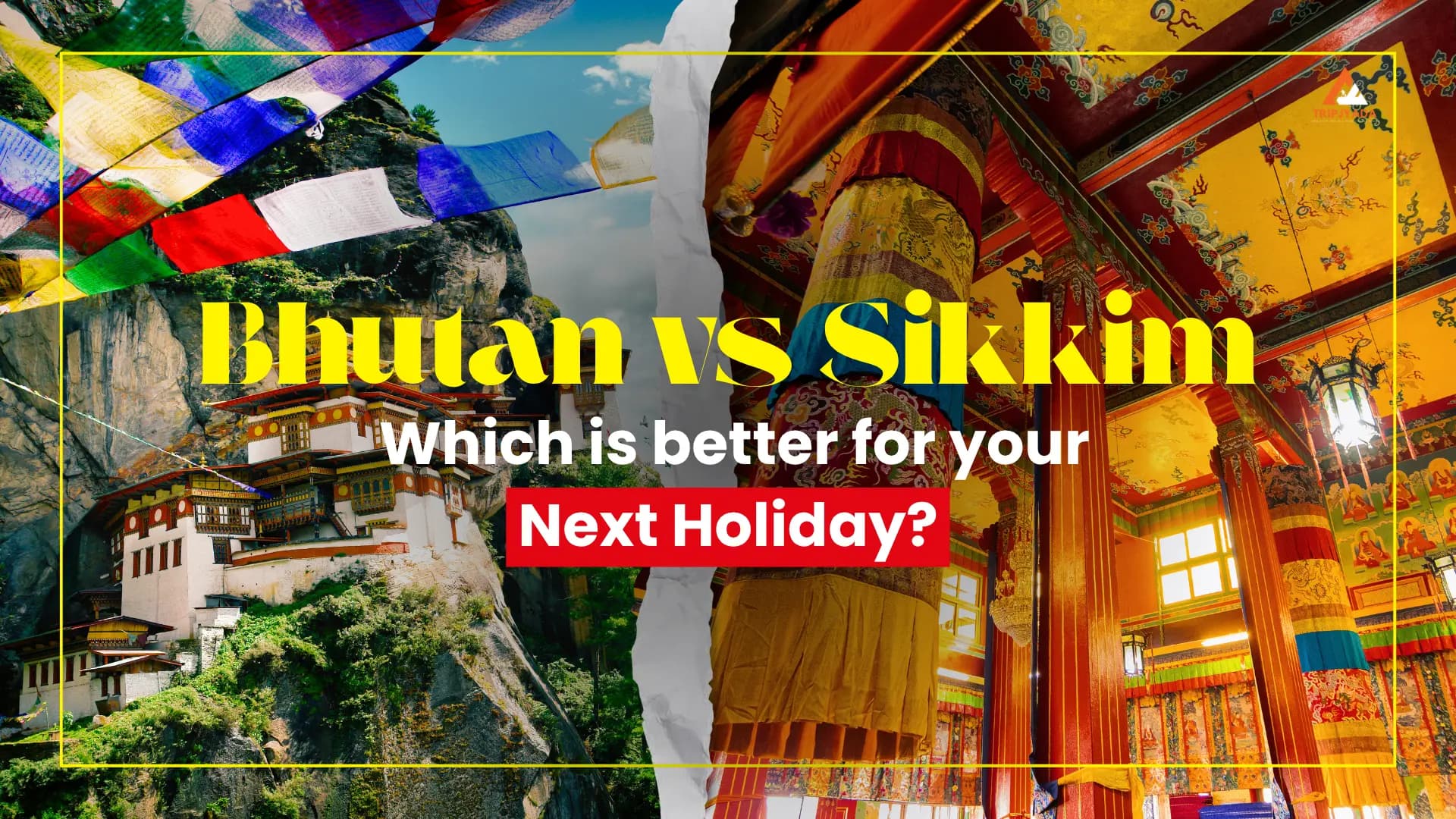
Bhutan vs Sikkim: Which destination is the Best for your 2026 Holiday?
Planning a Himalayan trip but are confused between Bhutan vs Sikkim? You are not alone. Both destinations offer breathtaking views, stunning landscapes, rich culture, and memorable travel experiences. In the heart of the Eastern Himalayas, both Bhutan and Sikkim have majestic places with mesmerizing views. Bhutan is a land of mystics and breathtaking views, known […]
 Travel Guide
The Unexplored Beauty of Darjeeling: Explore the Hidden Corners of the Queen of Hills
Darjeeling, a place where you have always dreamt of visiting, is situated majestically on the green hills of the Himalayas. The Queen of the Hills has always been an attraction of misty mornings, aromatic tea gardens, and the timeless toy train that whistles through mountain clouds. Darjeeling is famous for Tiger Hill, Mall Road, and […]
 Travel Guide
River Rafting in Teesta: The Ultimate Adventure in Sikkim
Experience the thrill of white water river rafting Teesta, surrounded by breathtaking Himalayan landscapes. An unforgettable adventure in Sikkim awaits! Sikkim is famous for its Monasteries, snow-covered mountains, and peaceful hill towns. Sikkim is also rising fast as an adventure hotspot. So if you are searching for something exciting for your next trip, there are […]
 Arunachal Pradesh Packages
5 Nights 6 Days in Arunachal Pradesh
5 Nights 6 Days in Arunachal Pradesh Bomdila – Dirang– Tawang – Guwahati 5N/6D Hotels Transport Sightseeing Meals Tour Package Description Arunachal Pradesh, is a mystical place in India, and the first Indian soil to greet the rising sun. If you are looking 5N 6D Arunachal Pradesh Tour Package, […]
 Travel Guide
Explore the Best of Travel at IITM Pune 2025 with Tripjyada
Explore the Best of Travel at IITM Pune 2025 with Tripjyada Are you planning your next dream vacation and looking for the best travel deals, expert guidance, and the best tour planning? Here’s the opportunity for you! Mark your calendar! Tripjyada will be at IITM Pune 2025, showcasing our top-selling tour packages, travel offers, and […]
 Arunachal Pradesh Packages
4Night/6Days Arunachal Tour Package
Hotels Transport Sightseeing Meals Tour Package Description Breathe in the fresh mountain air, feel the clouds drift past you, and let the magic of the Northeast steal your heart. Our 4 Nights 5 Days Arunachal Pradesh and Shillong Tour takes you from the vibrant city of Guwahati to the pine-covered hills […]
 Travel Guide
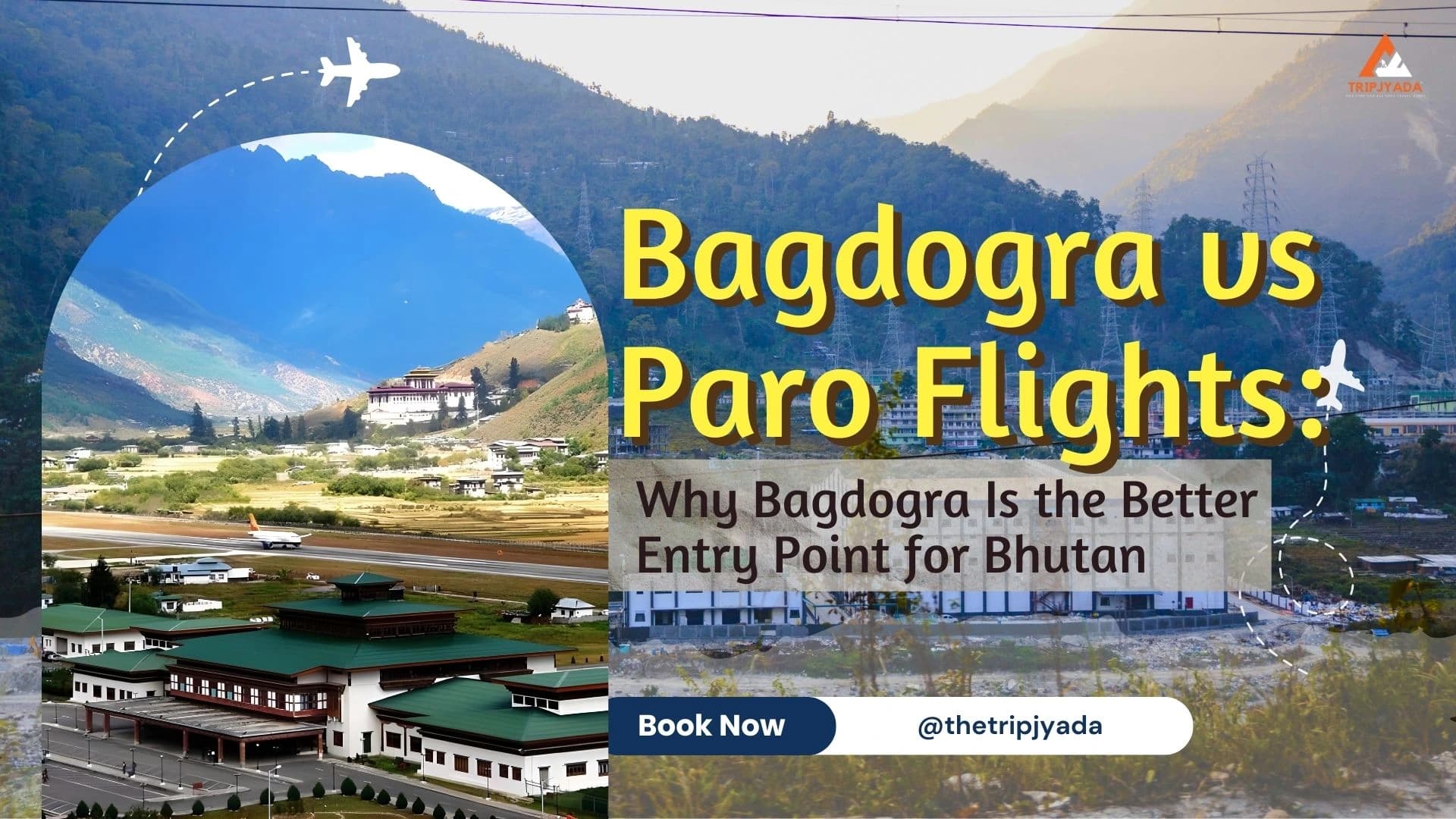
Bagdogra vs Paro Flights: Why Bagdogra to Bhutan is the Better Route for Bhutan
Bhutan is a dream destination, as Bhutan tourism offers majestic monasteries, peaceful valleys, a rooted culture, and Himalayan views. ‘The Land of Thunder Dragon’ is a mystical and breathtakingly beautiful place, infused with spirituality and serenity. But before you hit the ‘book’ button for Bhutan flights, you might think twice about Bagdogra vs Paro flights: […]
 Travel Guide
Discover Biggest Travel Exhibition with Tripjyada at IITM Hyderabad 2025
Discover the Biggest Travel Exhibition with Tripjyada at IITM Hyderabad 2025 Are you ready to participate in India’s biggest travel expo? Tripjyada announces its participation at IITM India. Here’s the opportunity for you! Mark your calendar! We are here to showcase our top-selling tour packages, travel offers, and customised itinerary options. Here are the details of everything […]
 Travel Guide
Do OCI Holders Need a Visa for Sikkim?
Do OCI Holders Need a Visa for Sikkim? Here’s the Complete Guide (2025 Update) If you’re an OCI cardholder planning a trip to Sikkim, here’s something you must know before booking your flights: A Protected Area Permit (PAP) / Restricted Area Permit (RAP) is required to enter Sikkim, even if you hold an OCI card. […]
 Travel Guide
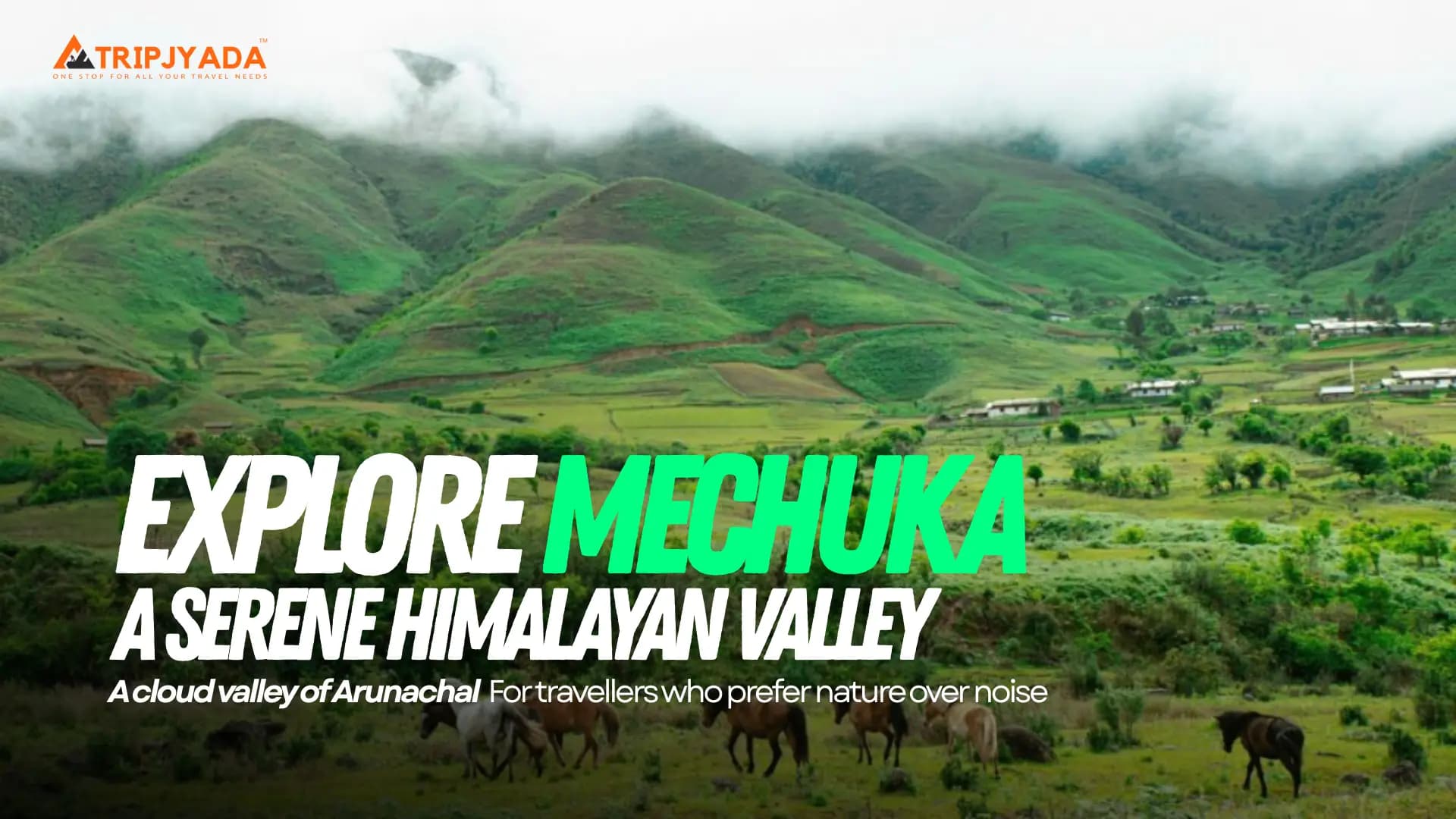
Explore Mechuka Arunachal Pradesh: The Hidden Himalayan Paradise You Must Visit
Suppose you are planning to visit Arunachal Pradesh and want to explore the hidden chapter of the Himalayas. Mechuka, Arunachal Pradesh, is the kind of place where time slows down, and nature whispers stories of peace. The eastern state of Arunachal Pradesh, Mechuka (also known as Menchuka), offers a captivating blend of nature, culture, and […]
 Travel Guide
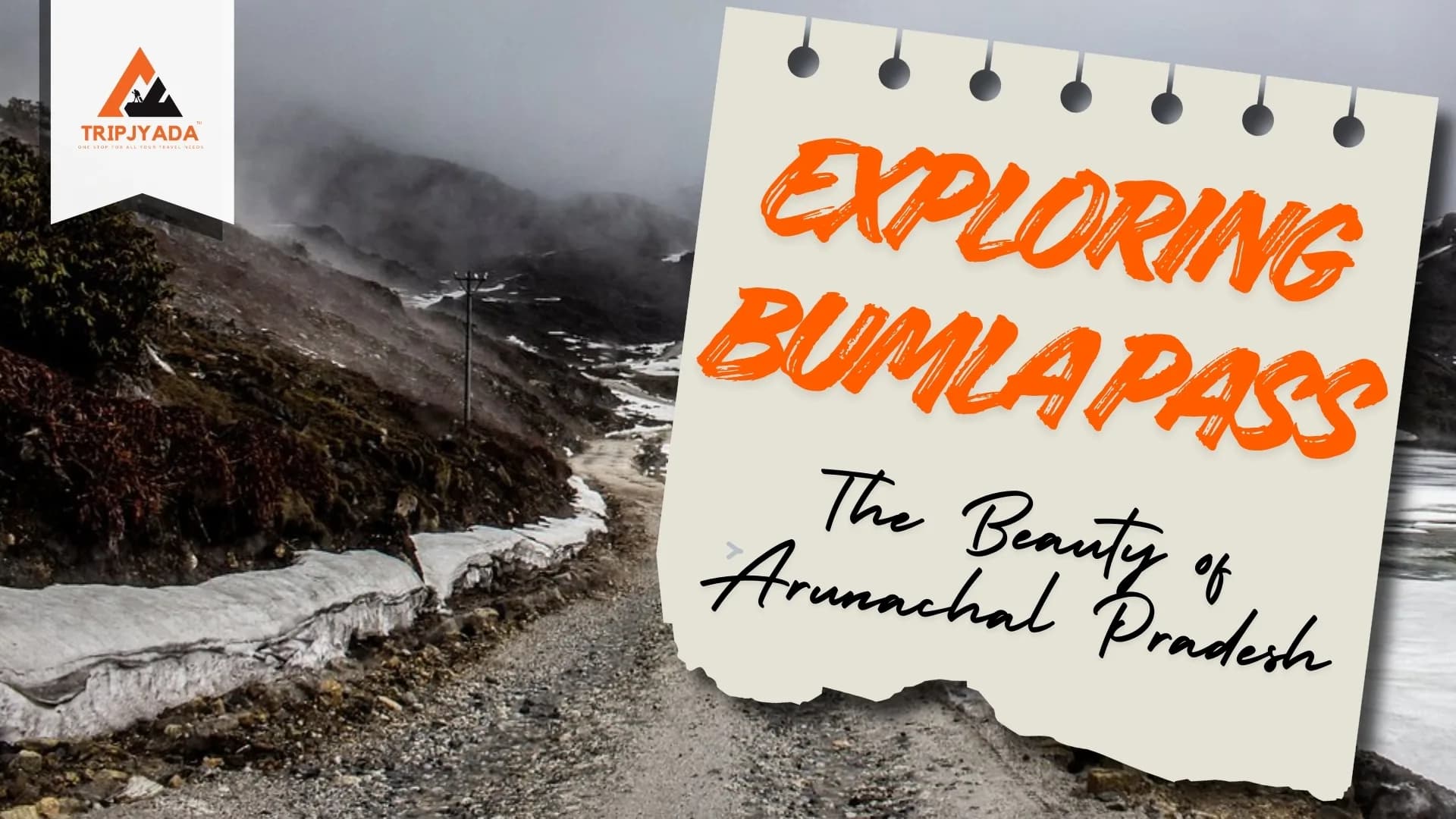
Exploring Bumla Pass: Permits, Travel Tips and the Beauty of Arunachal Pradesh
Bumla Pass is one of the most dramatic and breathtaking high-altitude passes in Arunachal Pradesh. Located near Tawang, and lies along the historic Indo-China border. It is just a short distance from the beautiful town of Tawang. This destination offers icy landscapes, holds strong patriotic significance, and showcases serene Himalayan beauty. If you’re planning a […]
 Travel Guide
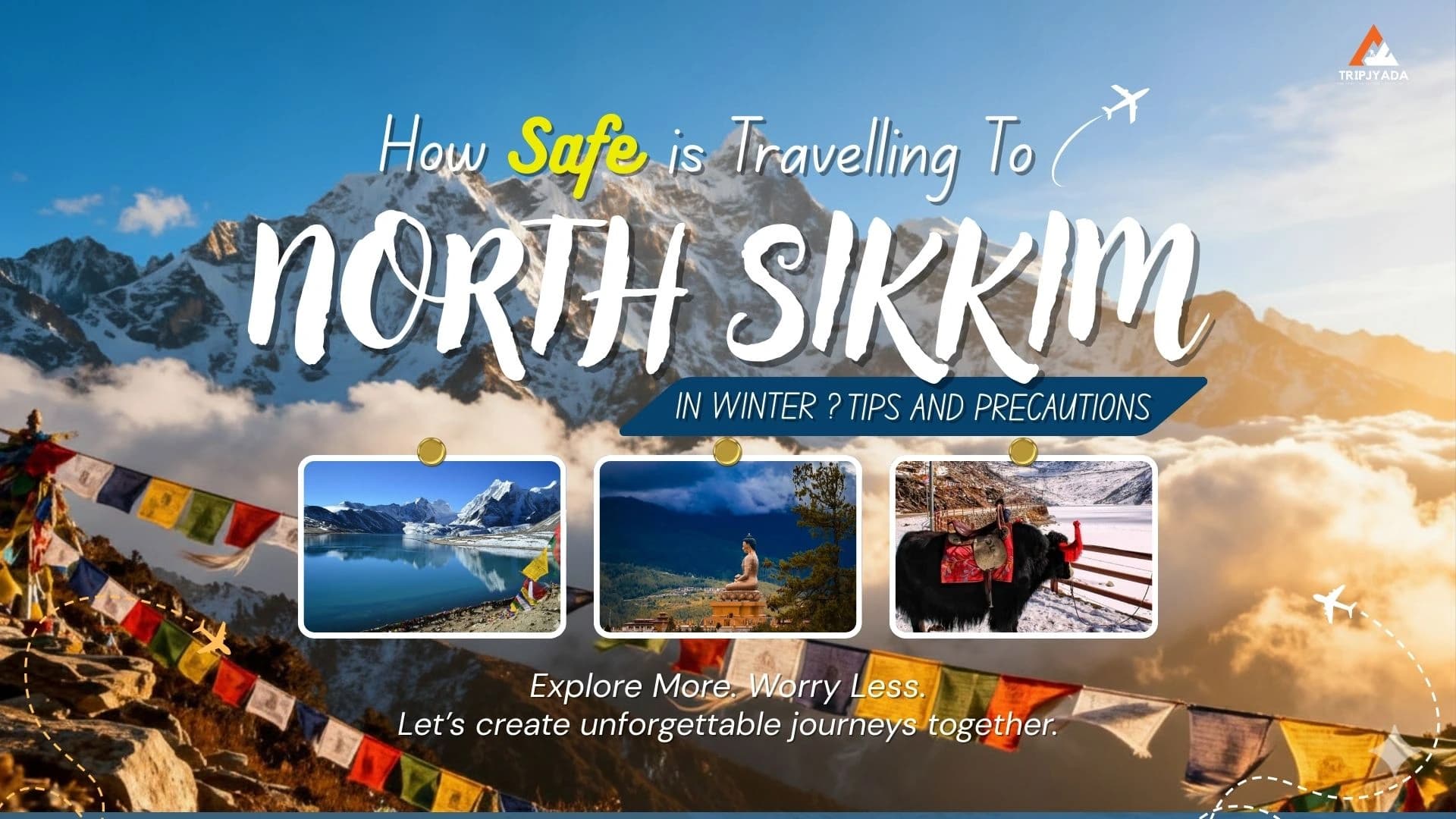
How Safe is Traveling to North Sikkim in Winter? Tips and Precautions
If you are planning a winter mountain trip, it brings excitement and adventure. And when it comes to North Sikkim in winter, it isn’t just a season, it’s a feeling. The charm is truly unmatched: snow-covered valleys, frozen lakes, white-blanketed villages, and a kind of silence that feels healing. In winter, North Sikkim turns into […]
 Travel Guide
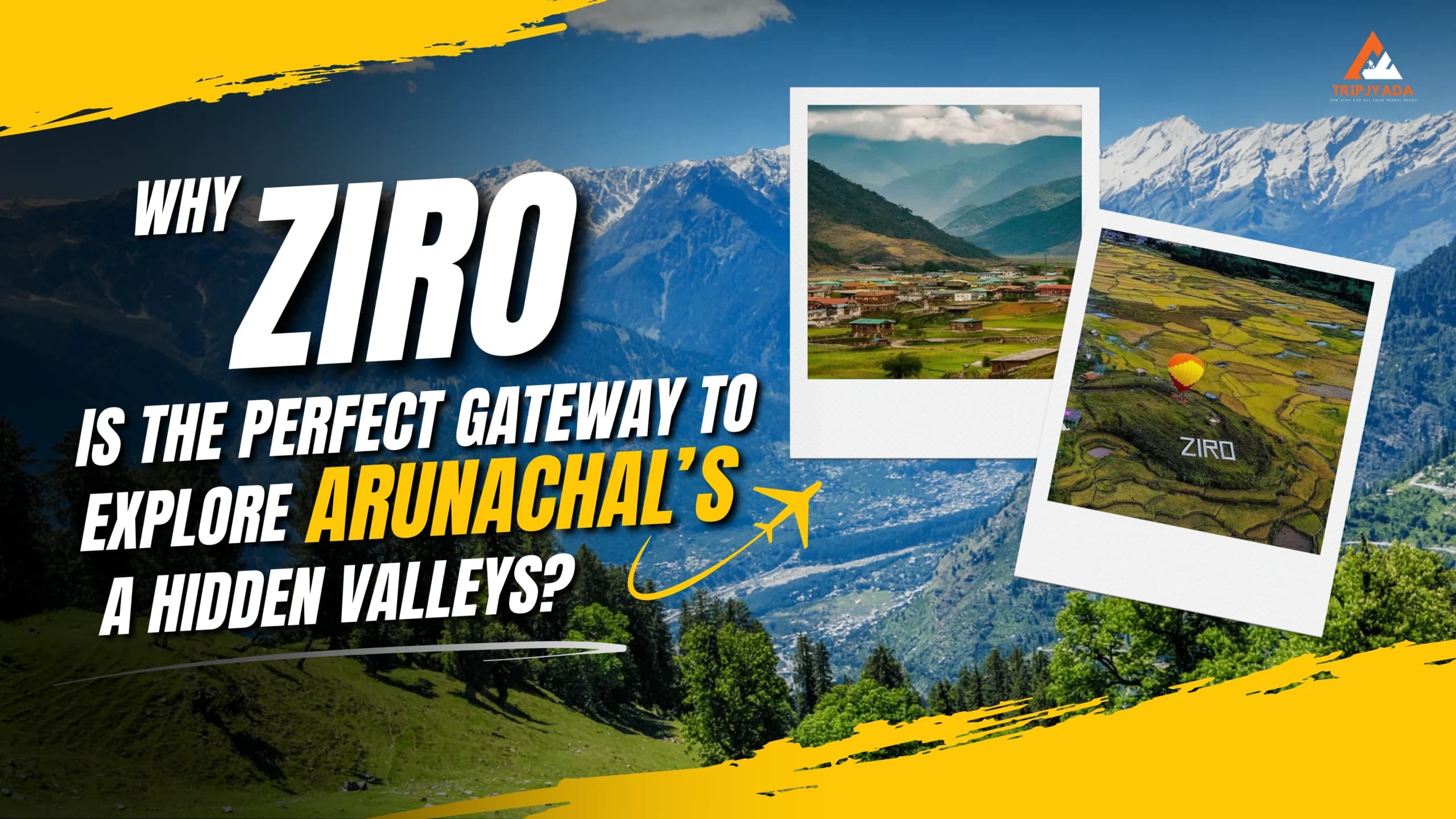
Why Ziro Is the Perfect Gateway to Explore Arunachal’s Hidden Valleys?
Hidden deep within the evergreen folds of Arunachal Pradesh, Ziro Valley is a place that doesn’t just look beautiful, but feels alive. It’s one of those hidden destinations where time slows down. The air smells of pine and fresh earth, and every sunrise brings you closer to nature and yourself. If you’ve ever searched for places […]
 Travel Guide
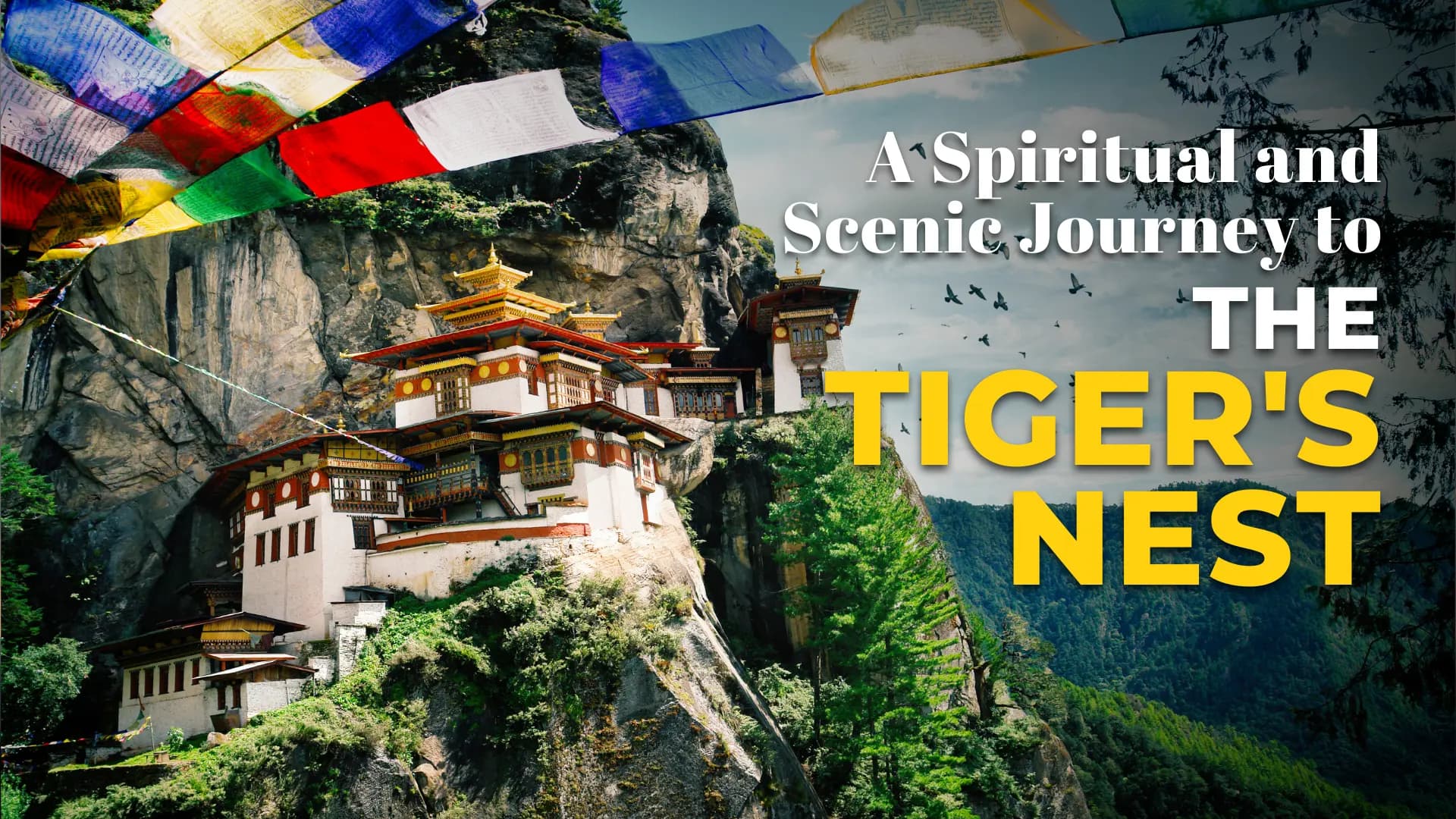
The Tiger’s Nest Trek: A Journey Every Traveler Should Take in Bhutan
A hike to Tiger’s Nest Trek, also known as Paro Taktsang, is one of the stunning experiences for travelers who love trekking. It is more than an adventurous climb; it is a deeply spiritual experience that defines the essence of Bhutan travel. The Tiger’s Monastery height is about 10240 feet. This iconic monastery is one […]
 Travel Guide
Women’s Group Tour to Bhutan 2026: Travel Together, Travel Fearlessly
Travel feels different when you’re surrounded by women who share the same excitement, curiosity, and love for exploring the world. That’s exactly what a Women’s Group Tour To Bhutan 2026 by Tripjyada offers: safe travel, soulful experiences, and unforgettable Himalayan memories, all without the stress of planning. Bhutan, the Land of the Thunder Dragon, is one […]
 Travel Guide
Meghalaya Group Tour 2026: Explore the Abode of Clouds with Tripjyada
Meghalaya Group Tour 2026: Fixed Departure of 6 Nights 7 Days Meghalaya, often called the “Abode of Clouds”, is one of India’s most breathtaking travel destinations, where emerald-green rivers, living root bridges, roaring waterfalls, mist-covered hills, and untouched villages come together to create a truly magical experience. In 2026, Meghalaya Group Tour continues to be […]
 Travel Guide
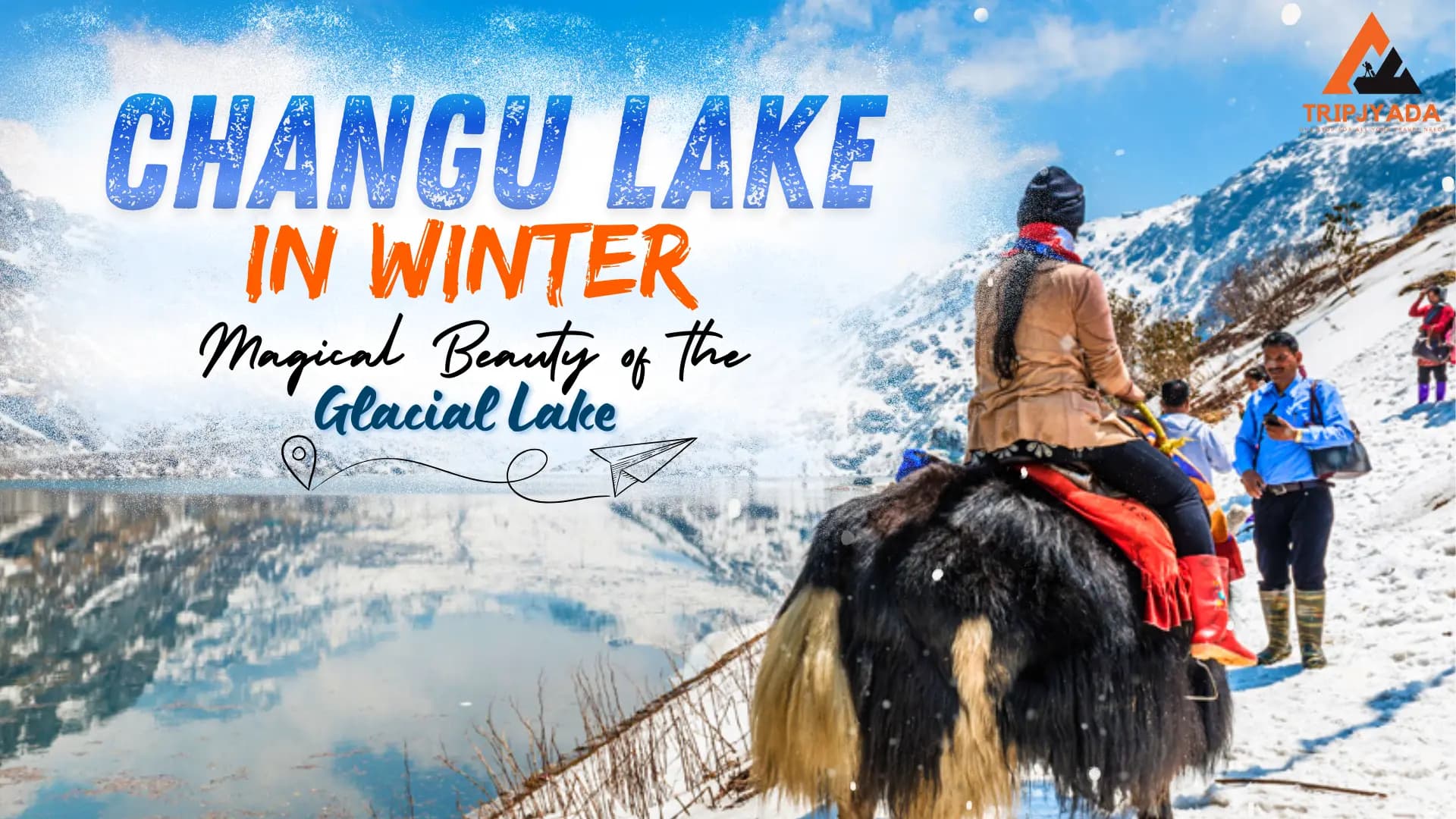
Changu Lake in Winter: Exploring the Magical Tale of the Glacial Lake
Some places in the Himalayas are not just destinations; the Changu Lake in winter feels like stories waiting to be lived. Tsomgo Lake (Changu Lake), a glacial lake in East Sikkim, is one such place. The Sikkim capital, Gangtok, to Changu Lake is about 48km. At an elevation of 12,313 feet, there’s one season when […]
 Travel Guide
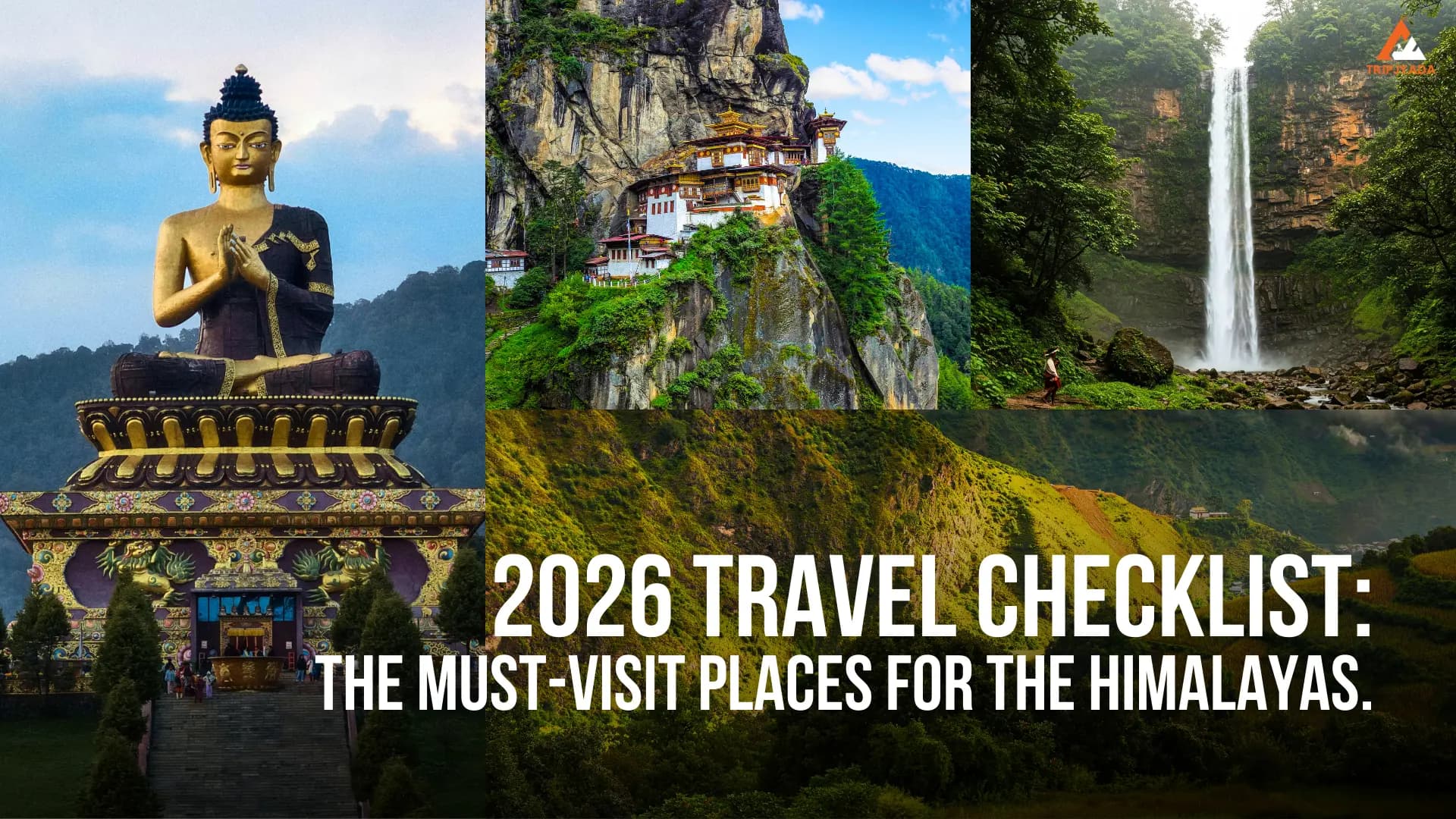
2026 Travel Checklist: The Must-Visit Places for the Himalayas
The Himalayas are not just mountains; they are emotions that are a blend of misty mornings, prayer flags fluttering in the wind, soulful monasteries, scenic roads, and stories that stay with you long after the journey ends. The places to visit in 2026 for travelers across India are shifting towards slower, experience-driven travel, seeking peace, […]
 Travel Guide
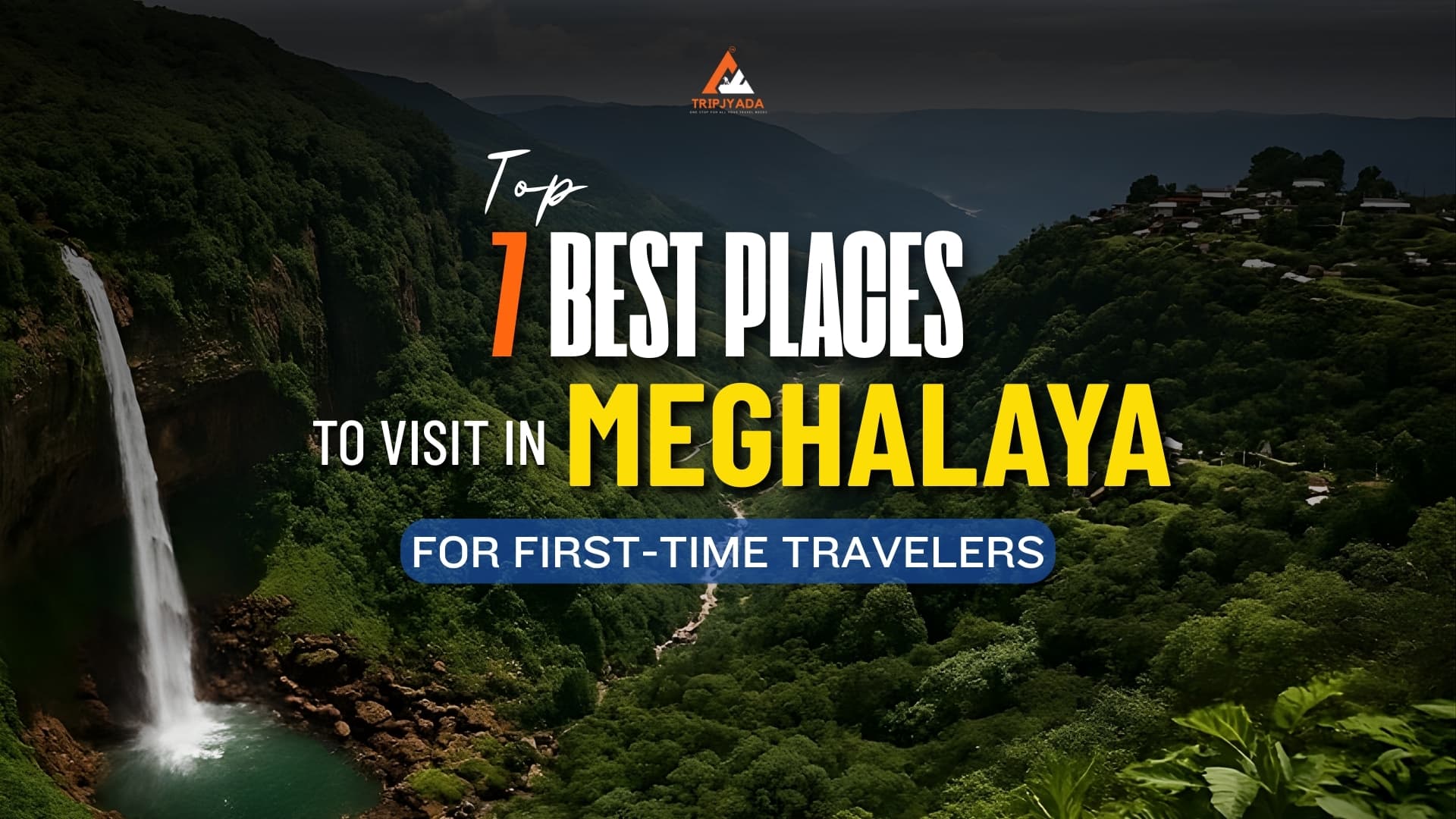
Top 7 Best Places to Visit in Meghalaya for First-Time Travelers
Planning your Meghalaya tour and wondering where to start? Welcome to the ‘Abode of Clouds’ land, the best places to visit in Meghalaya, where waterfalls crash from cliffs, living root bridges are an amazing experience, and clouds roll beneath your feet. Meghalaya is one of India’s most breathtaking hill destinations, yet it still feels refreshingly […]
 Travel Guide
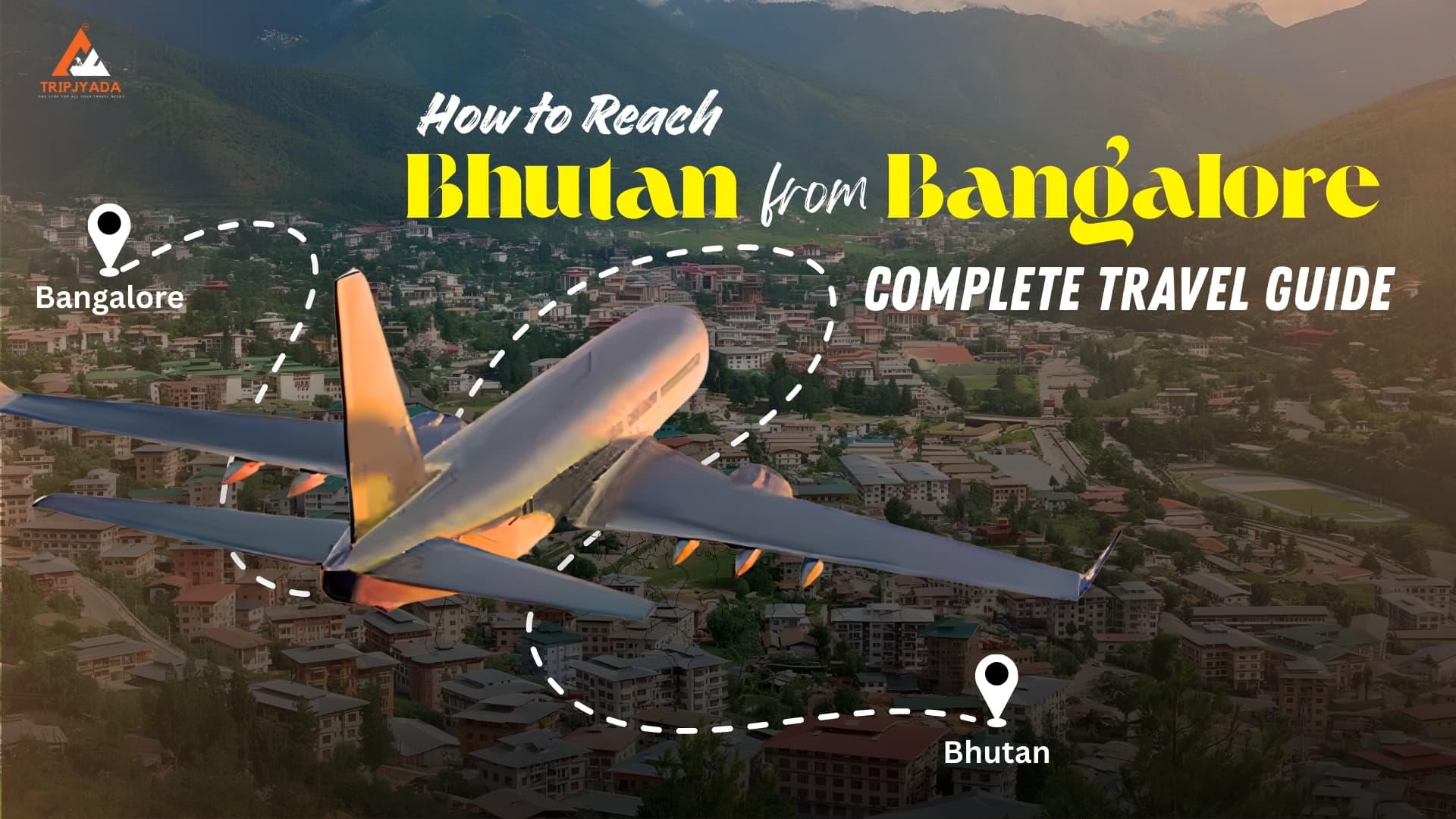
How to Reach Bhutan from Bangalore: Complete Travel Guide
Welcome to Bhutan! Bhutan isn’t just a destination, it’s a feeling. A place where prayer flags dance with the wind, mountains whisper ancient stories, and happiness is measured beyond money. How to Reach Bhutan from Bangalore is the first thought in your mind, and dreaming of monasteries clinging to cliffs and valleys untouched by chaos, […]
 Travel Guide
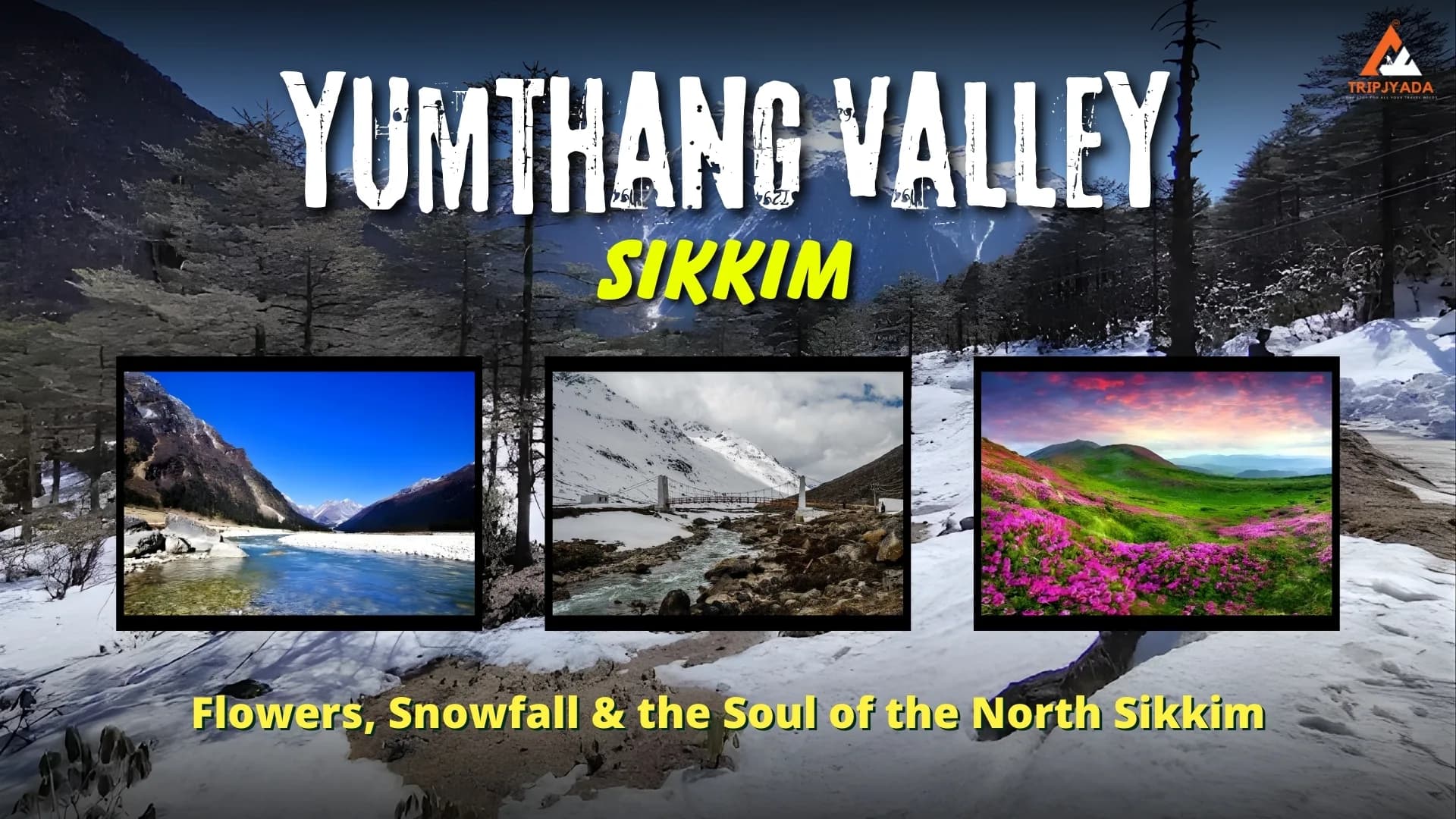
Yumthang Valley Sikkim: Flowers, Snowfall and the Soul of the North Sikkim
There are places you visit, and then there are places that quietly stay with you long after the journey ends. Yumthang Valley, Sikkim, is located at an elevation of nearly 12,000 feet in North Sikkim. Known as the “Valley of Flowers,” Yumthang Valley invites travellers into an ever-changing Himalayan canvas, where each season paints a […]
 Travel Guide
Smart Leave Hack: Travel to Bhutan This 26 January Long Weekend Using Just 2 Leaves
International travel doesn’t always need long vacations or complicated planning. Sometimes, all it takes is smart timing and smarter planning. This 26 January long weekend, Indian employees have a golden opportunity to turn just two sick leaves into a 5-night, 6-day Bhutan tour – peaceful, scenic, cultural, and incredibly refreshing. Bhutan, known as the Land […]
 Travel Guide
Arunachal Pradesh Tour Package 2026: Snow, Spirituality & Scenic Himalayas
There’s something truly magical about winter in Arunachal Pradesh, often referred to as the “Land of the Dawn-Lit Mountains.” As the snow begins to fall, the rugged Himalayan landscapes transform into a serene wonderland. High mountain passes get blanketed in white, ancient monasteries stand quietly against the crisp blue skies, and high-altitude lakes freeze over, […]
 Travel Guide
From Lachen to Gurudongmar: A Journey Through the Cold Desert of Sikkim
Some journeys take you from one place to another, and then some journeys quietly transform the way you understand travel itself. The road from Lachen to Gurudongmar Lake is one such experience. It isn’t loud or dramatic; it’s raw, silent, and deeply moving. As you leave the small mountain village of Lachen behind, the landscape […]
 Travel Guide
How to Reach Sikkim from Bangalore: Complete Travel Guide by Flight, Train & Road
Planning a Sikkim trip from Bangalore is like pressing pause on city chaos and stepping into the misty mountains, prayer flags, alpine lakes, and snow-covered valleys. From the tech buzz of Bangalore to the tranquil Himalayas, Sikkim truly feels like a different world altogether. Whether you’re booking a Bangalore to Sikkim tour package or planning […]
 Travel Guide
OTM Mumbai 2026: Where Tripjyada Connects, Collaborates & Grows
Tripjyada at OTM Mumbai 2026: Where Conversations Turn into Collaborations The travel industry is built on people, trust, and meaningful connections, and OTM Mumbai 2026 is where those connections truly come alive. From 5th to 7th February 2026, Tripjyada is proud to participate in OTM Mumbai, at the stall Stall No. P-O110 at Pavilion Hall, Ground […]
 Travel Guide
Love in the Hills: Most Romantic Honeymoon Destinations in Sikkim and Darjeeling
Some love stories aren’t meant for crowded beaches or rushed itineraries. They deserve misty mornings with tea by the window, mountain sunsets that pause time. Also, the quiet monasteries echoing peace, and long walks wrapped in wool and laughter. If you’re dreaming of honeymoon destinations in Sikkim & Darjeeling, that feels slow, soulful, and deeply […]
 Travel Guide
Bhutan Trip Planning 2026: Everything You Need to Prepare
Planning a Bhutan trip in 2026? You’re not just planning a holiday, you’re preparing for a journey into one of the world’s most peaceful and spiritual countries. From ancient monasteries clinging to dramatic cliffs to quiet valleys filled with fluttering prayer flags, Bhutan tourism offers an experience that feels untouched, mindful, and deeply personal. Often […]
 Travel Guide
Hiking to Hidden Trails: Nongriat’s Living Root Bridges
If you think Meghalaya is only about dramatic waterfalls and misty clouds, Nongriat’s root bridges are ready to surprise you. Hidden deep within the emerald forests of the East Khasi Hills, this remote village is home to one of nature’s most extraordinary creations, the Living Root Bridges of Meghalaya. Crafted patiently over generations by the […]
 Travel Guide
Trekking in Arunachal Pradesh: A Journey Through the Untouched Himalayas
If you love the mountains and crave an adventure off the beaten path, Arunachal Pradesh is where you should be. Tucked away in the northeastern corner of India, this unexplored paradise is a dream for trekkers. Imagine walking through lush green valleys, crossing high mountain passes, camping under a sky full of stars, and experiencing the warm hospitality of […]
 Travel Guide
Exploring Bhutan’s Enchanting Lakes: The Tranquil Gems of the Himalayas
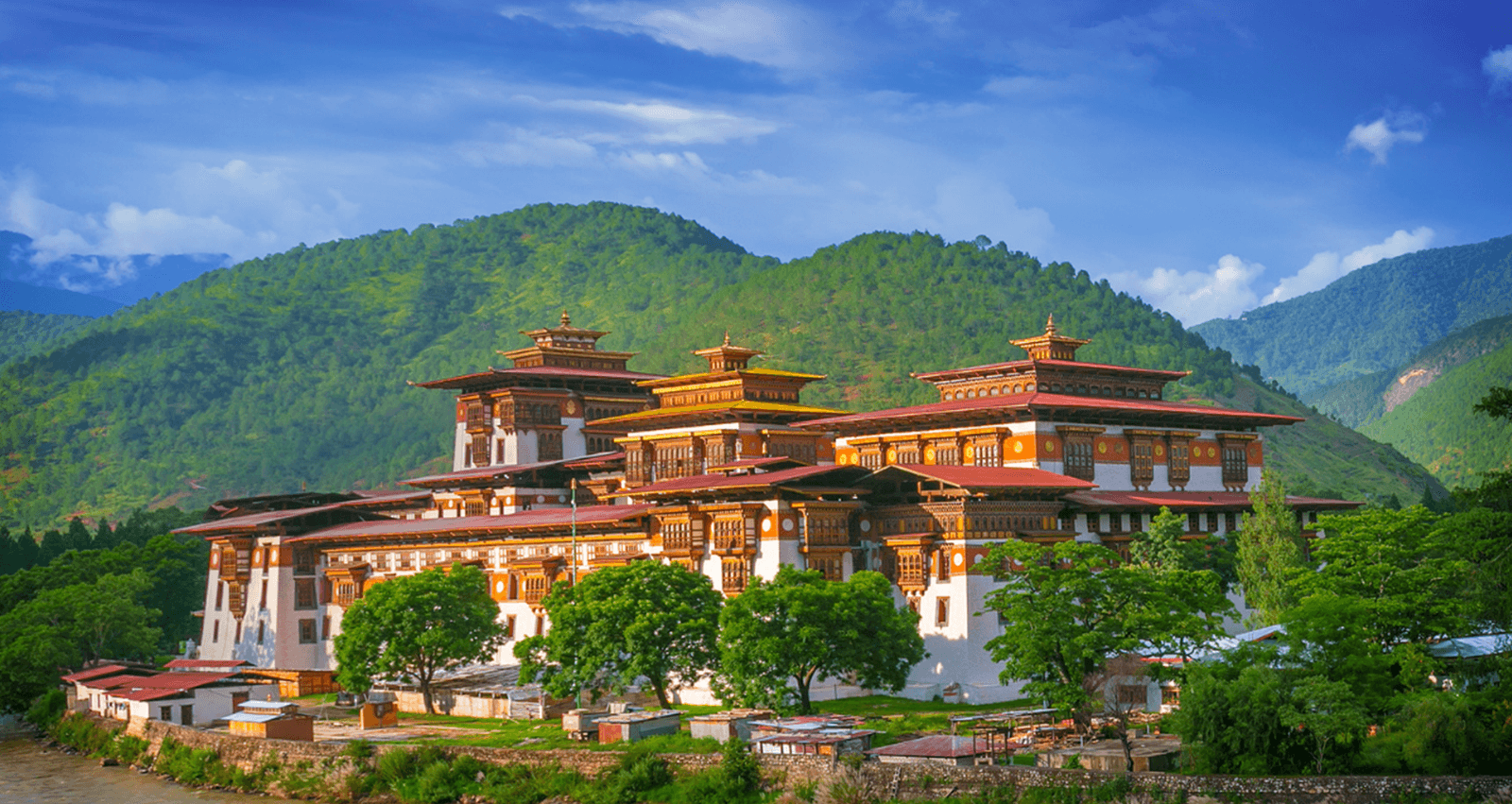
Paro Tsho: Bhutan’s Tranquil Gem Situated in the picturesque Paro Valley, Paro Tsho is one of the most scenic lakes in Bhutan. Surrounded by lush greenery and traditional Bhutanese villages, this lake is a haven for those seeking solace and natural beauty. Location: Near Paro Valley. Best Time to Visit: March to May, September to […]
 Travel Guide
Tawang in Monsoon: A Rain-Soaked Himalayan Wonderland
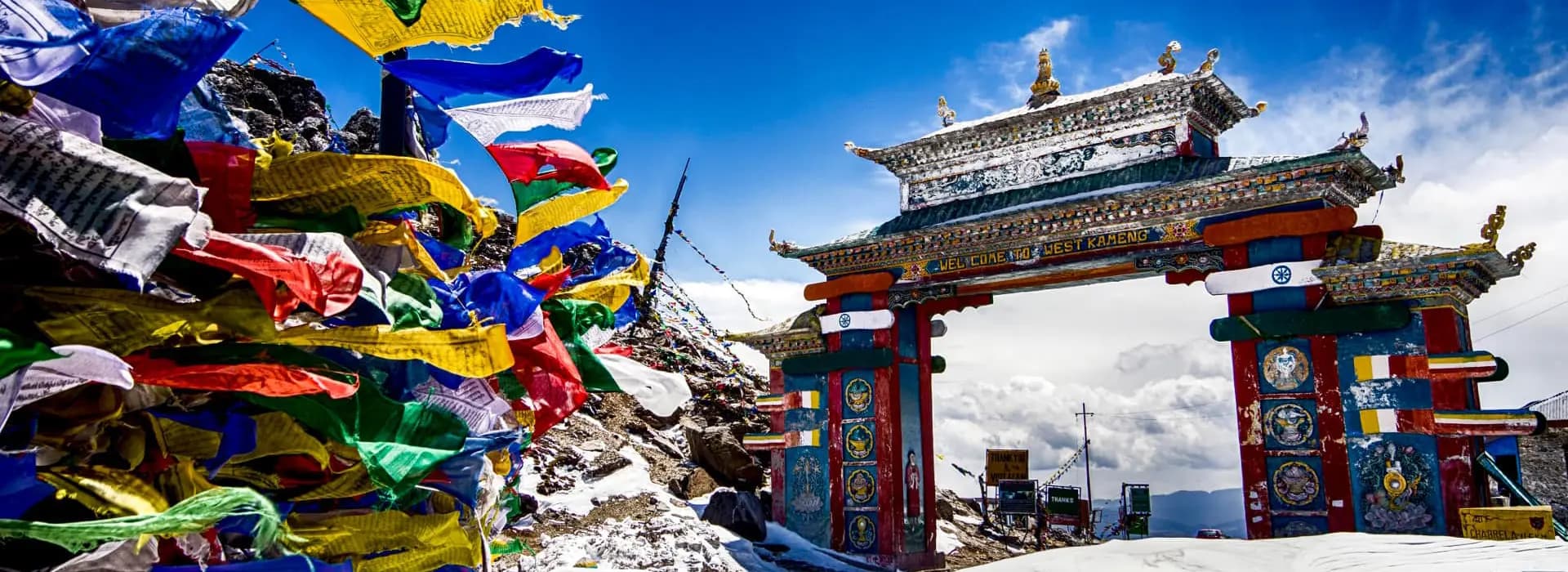
Tawang, a picturesque town in Arunachal Pradesh, undergoes a magical transformation during the monsoon season. Tawang in Monsoon: A Rain-Soaked Himalayan Wonderland Tawang, a picturesque town in Arunachal Pradesh, undergoes a magical transformation during the monsoon season. Towering Himalayan peaks, thick mist rolling over the valleys, and monasteries veiled in clouds make this place look straight […]
 Travel Guide
Monasteries in Sikkim & Darjeeling
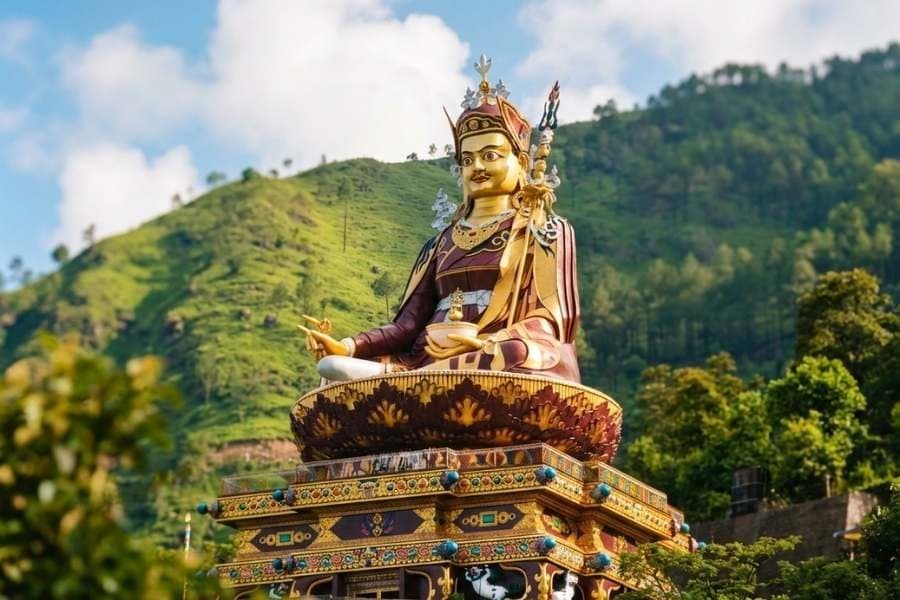
Introduction Discover the spiritual and cultural richness of monasteries in Sikkim and Darjeeling with Tripjyada. These ancient Buddhist sites offer an immersive experience in heritage, peace, and architectural marvels. Whether you’re a history enthusiast, a spiritual seeker, or an adventure traveler, this guide covers everything you need to know about these sacred places, their history, significance, and how […]
 Travel Guide
Monasteries in Bhutan – A Spiritual Journey Through the Land of Thunder Dragon
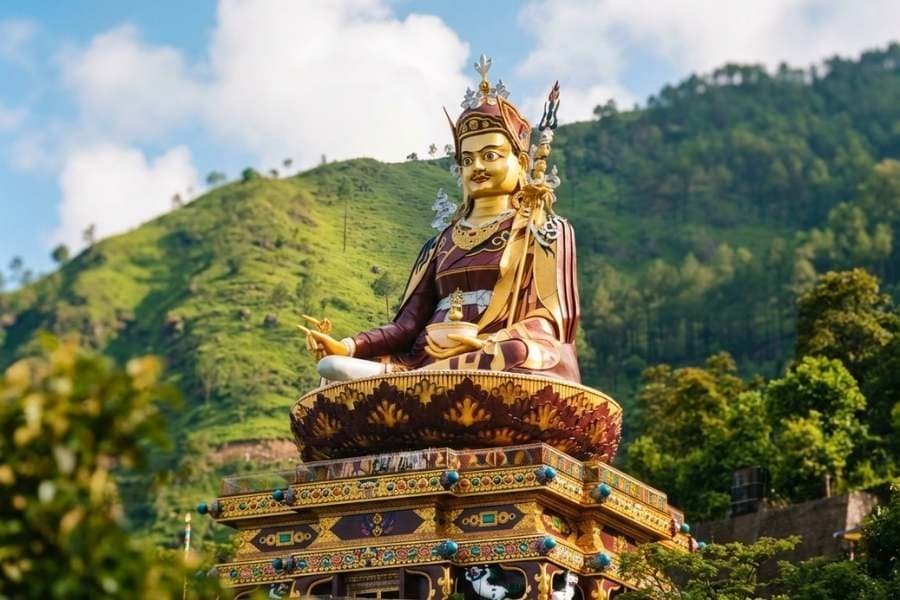
Beyond the well-known Tiger’s Nest Monastery, Bhutan hides secluded retreats, underground meditation caves, and secret rituals that even most locals aren’t aware of. Whether you’re a traveler seeking spiritual enlightenment or want to experience the mystical side of Bhutan, this guide uncovers every important monastery, including stories and hidden details that no one talks about. […]
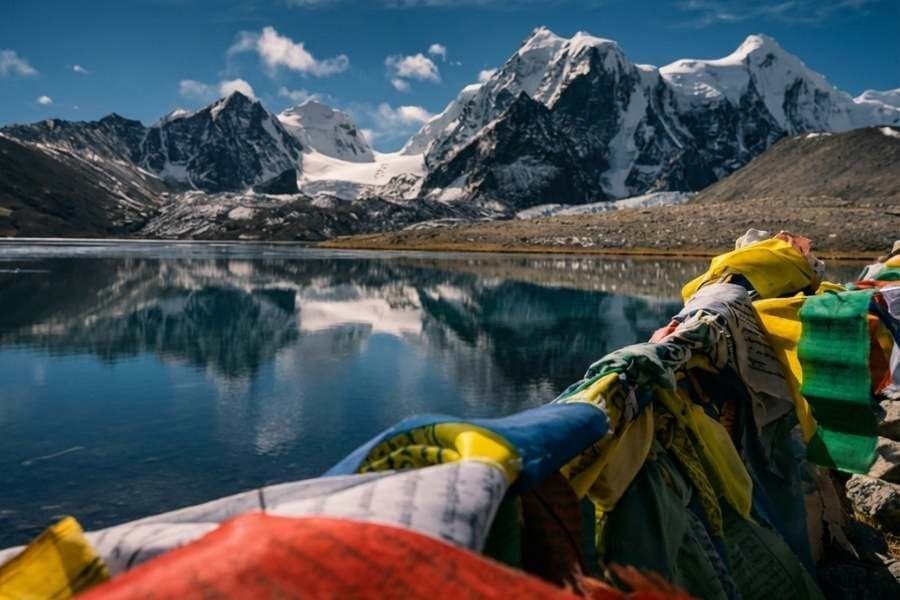 Travel Guide
Top 19 Things to Do in Sikkim
Sikkim, a breathtaking gem in Northeast India, seamlessly blends adventure, culture, and stunning natural beauty. Whether you seek thrilling escapades, serene landscapes, or cultural immersion, Sikkim has something extraordinary to offer. From high-altitude treks and adrenaline-pumping sports to immersive cultural experiences, this mystical land guarantees an unforgettable journey. Here are the top 19 must-do activities in Sikkim, […]
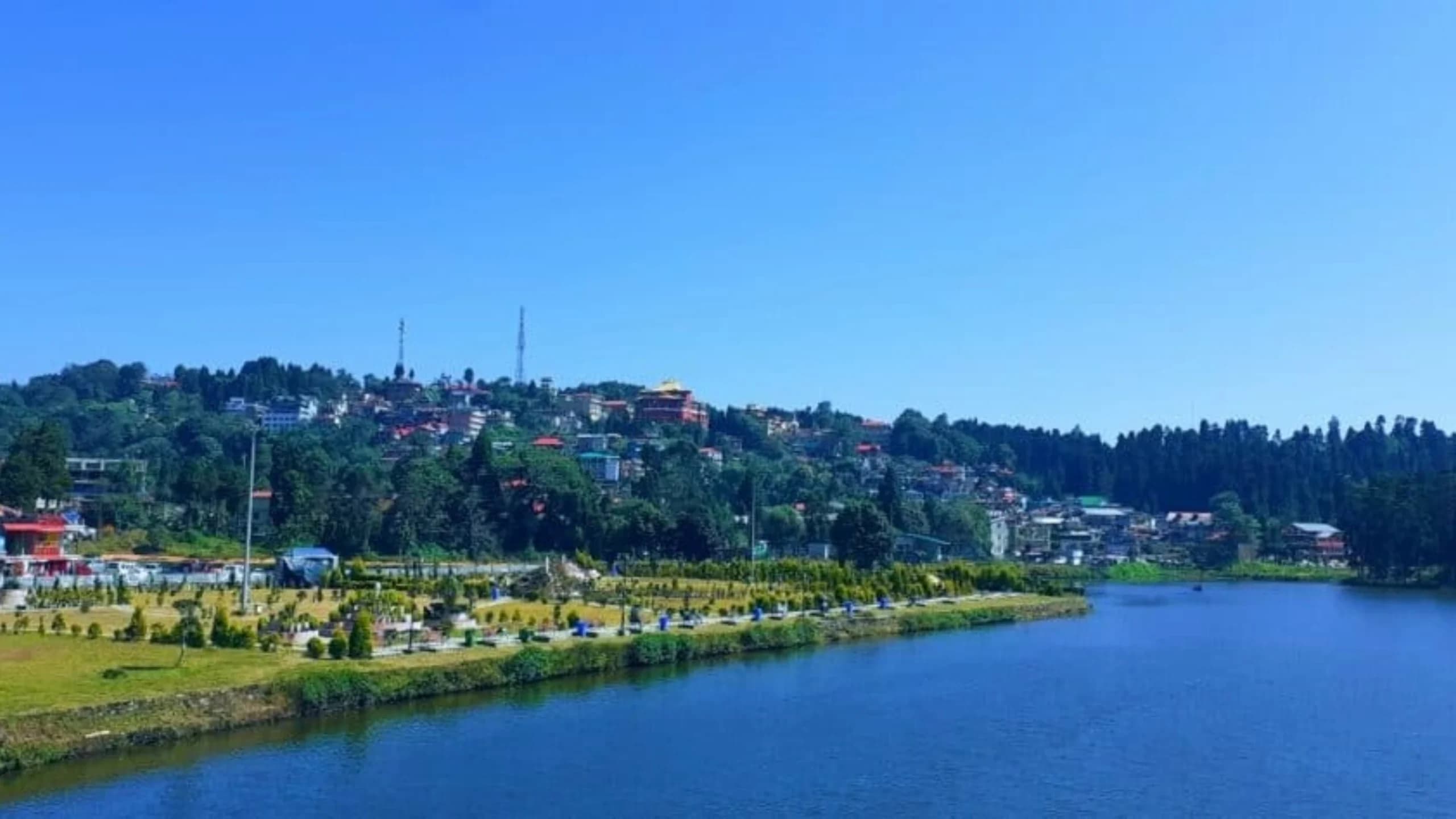 Travel Guide
Exploring the Tranquil Lakes of Darjeeling: A Journey Into Serenity
Darjeeling, renowned for its picturesque landscapes, aromatic tea plantations, and colonial charm, is also home to serene lakes that offer a peaceful retreat for travelers. While the majestic Kanchenjunga peaks often steal the limelight, the hidden lakes in Darjeeling provide a unique and calming experience. If you’ve explored the high-altitude lakes of Sikkim, extending your journey to Darjeeling’s lakes is a […]
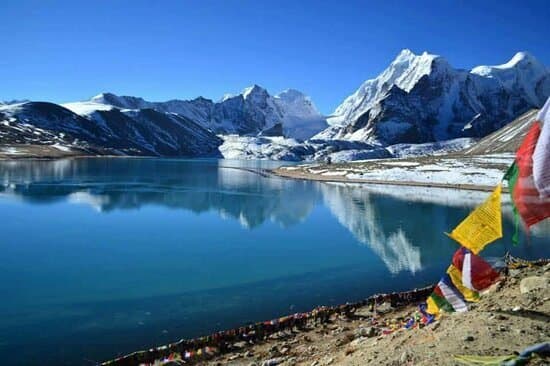 Travel Guide
Discover the Enchanting Lakes of Sikkim: Your Ultimate Guide to Northeast India’s Hidden Gems
Sikkim, a land of breathtaking landscapes and serene beauty, is home to some of the most mesmerizing high-altitude lakes in India. Whether you seek adventure, spiritual solace, or simply wish to immerse yourself in nature’s magic, Sikkim’s lakes promise an unforgettable experience. From the sacred Gurudongmar Lake to the tranquil Khecheopalri Lake, each waterbody has […]
Travel GuideThings to Do in Bhutan: A Guide to Exploring the Land of the Thunder Dragon
Druk Path Trek The Druk Path Trek is stunning and moderate in Bhutan, known for its breathtaking views of the Himalayas, lush forests, and serene lakes. Spanning 5 to 7 days, this trek connects the capital city of Thimphu with the cultural hub of Paro. The route covers about 70 kilometers, taking trekkers through a […]
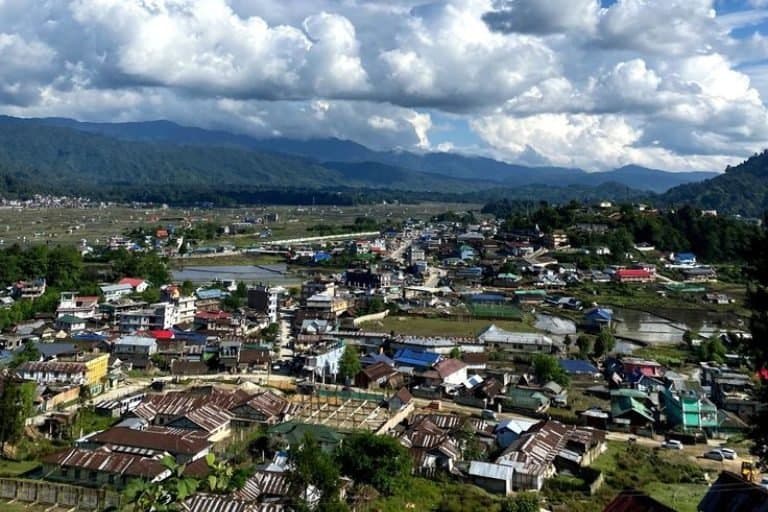 Arunachal Pradesh Packages
Arunachal Pradesh: The Land of Dawn-Lit Mountains
Monasteries in Arunachal Pradesh: A Gateway to Spirituality Arunachal Pradesh, a northeastern state of India, is renowned for its pristine landscapes, rich cultural diversity, and spiritual heritage. Nestled amidst the towering Himalayan ranges, this state is home to some of the most ancient and revered monasteries, which are not just centers of worship but also […]
Travel GuideNational Park & Sanctuary in the North East
National Park & Santucry in North East Arunachal Pradesh Arunachal Pradesh, nestled in the Eastern Himalayas, is known for its incredible biodiversity and pristine natural beauty. The state is home to several national parks and wildlife sanctuaries, which play a crucial role in preserving its unique flora and fauna. Namdapha National Park, located in Arunachal […]
 Travel Guide
Offbeats of Arunachal Pradesh
Dong Highlights: Known as the easternmost village in India, it’s the first place in the country to witness the sunrise. Surrounded by snow-capped peaks and lush greenery, Dong is perfect for trekking and nature photography. Best For: Sunrise viewing, trekking, and solitude. How to Reach: A trek from Walong village in Anjaw district. Ziro Valley […]
 Travel Guide
Top Unexplored Villages of Meghalaya: Hidden Treasures You Must Visit
Meghalaya, the Abode of Clouds, has dreamy landscapes, endless waterfalls, and rich tribal traditions. While places like Shillong, Cherrapunji, and Dawki are popular, the real magic lies in its lesser-known villages, where time slows down, nature thrives undisturbed, and traditions remain pure. If you’re looking for authentic, offbeat travel experiences, pack your bags because we’re about to take […]
Travel GuideTrekking in Meghalaya: A Paradise for Adventure Seekers
Imagine stepping into a mystical land where clouds kiss the hills, ancient root bridges guide your path, and every turn reveals a hidden waterfall or a breathtaking valley. Welcome to Meghalaya—”The “Abode of Clouds,” a trekker’s paradise offering some of the most exhilarating and scenic trails in India. Whether you’re an experienced hiker or a […]
 Travel Guide
North Bengal & Darjeeling Offbeat Places– Hidden Gems Beyond the Usual
North Bengal and Darjeeling offbeat places are often associated with iconic attractions like Tiger Hill, Batasia Loop, and the Toy Train, but beyond these well-known places lies a world of untouched villages, historic bungalows, deep forests, and surreal landscapes. If you seek solitude, nature, and an authentic experience away from the tourist crowds, these offbeat […]
 Travel Guide
Tsomgo Lake vs Sangti Valley: Which is the Best ‘Alpine Escape’ for 2026?
As the 2026 summer heat has begun to bake the Indian plains, the call of the Eastern Himalayas is growing deafening, as is the new dilemma: Tsomgo Lake vs. Sangti Valley. Which is better? If you’re planning your Northeast India itinerary for the 2026 spring and are confused about choosing between the glacial majesty of […]
 Travel Guide
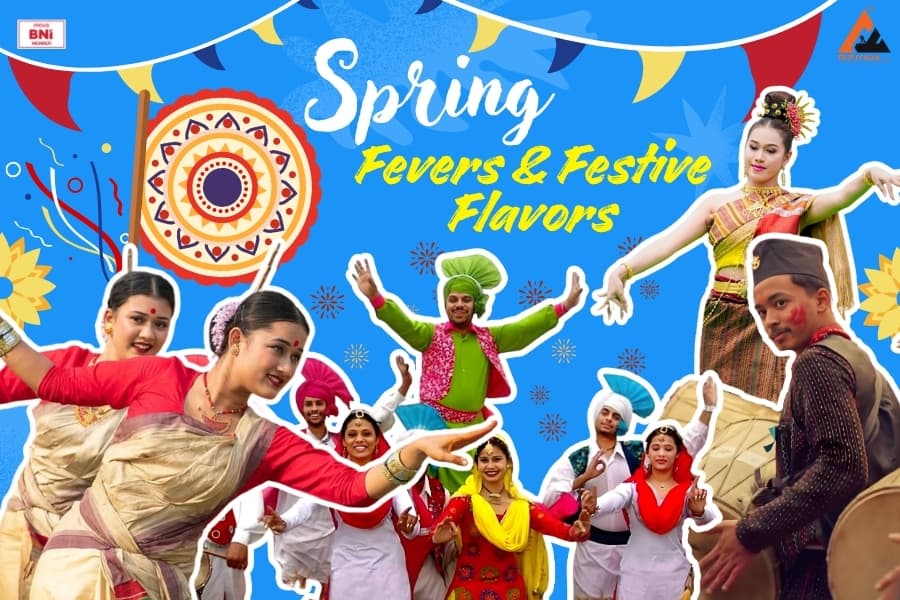
Spring Fevers and Festive Flavors: A Cultural Journey You Shouldn’t Miss
Festivals in India are more than colourful events marked on a calendar, they bring together faith, food, music, changing seasons, and entire communities. April makes this especially visible. Across the country, people celebrate fresh harvests and regional New Years as fields turn golden, homes are decorated, temples welcome devotees, and streets fill with music, dance, […]
 Travel Guide
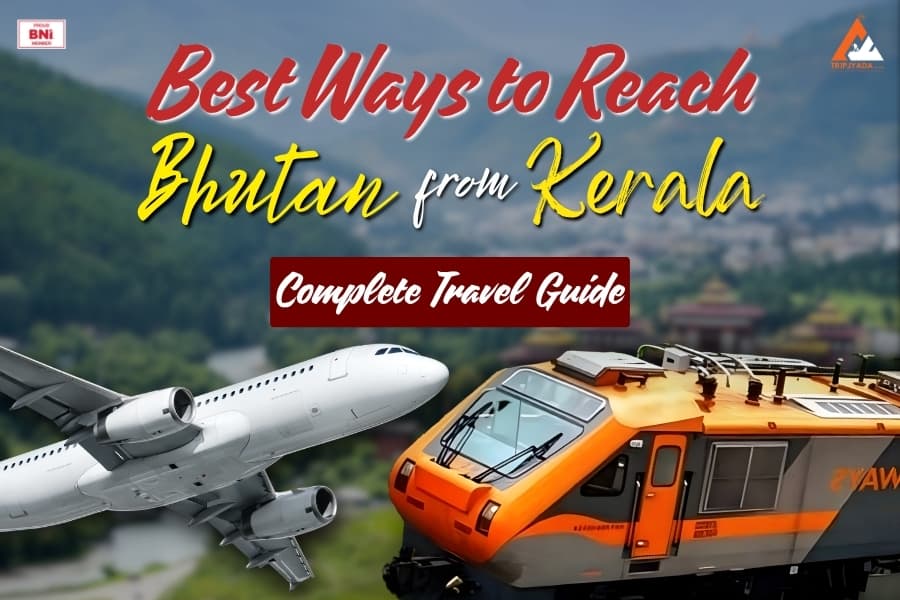
How to Reach Bhutan From Kerala: Kerala to Bhutan Tour
Craving a soul-resetting transfer to the “Land of the Thunder Dragon,” and how to reach Bhutan, from Kerala? While Bhutan proudly brags about being the “Happiest Kingdom” in the world, Kerala takes the honor as “God’s Own Country.” Despite the separation of thousands of miles, these iconic duos are deeply connected to each other. Whether […]
 Travel Guide
Stop Googling & Start Packing: All-Inclusive Sikkim Tour Checklist
Are you spending the nights with multiple tabs open, comparing the altitudes of Lachen vs. Lachung to make a perfect Sikkim tour itinerary? We all have been there in the Sikkim tour checklist, and the truth is, the Himalayas don’t care about perfect spreadsheets. Sikkim is a land of unpredictable mist, sudden mountain blooms, and […]
 Dharmendra Blog Posts
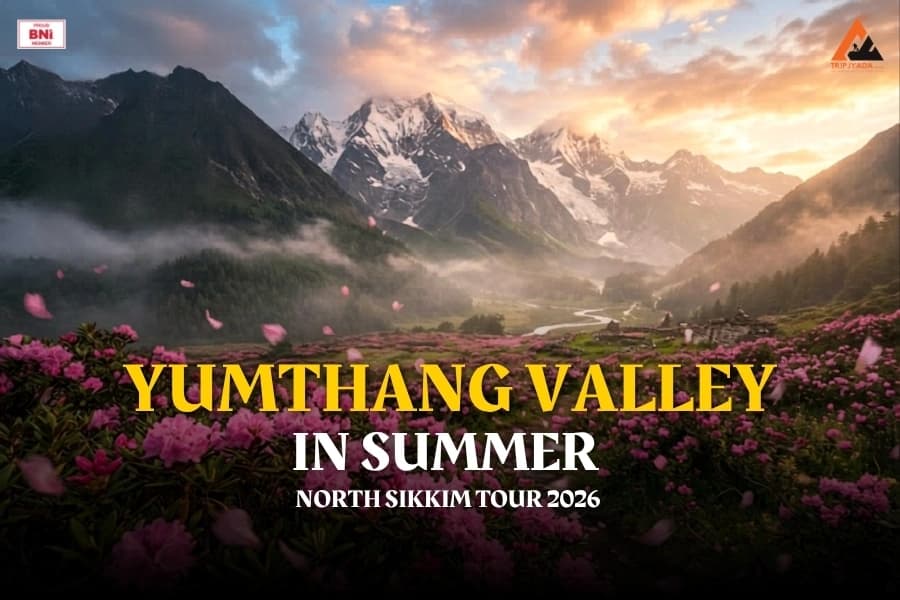
Last Call for Yumthang Bloom: Secure North Sikkim Tour in Summer 2026
They say the mountains don’t wait for anyone, but in your North Sikkim tour, the flowers are more impatient. As summer 2026 approaches, the Shingba Rhododendron Sanctuary is preparing for its annual fleeting magic. If you’ve spent your life looking at desktop wallpaper of vivid “mountain meadows,” it’s time to realize that the Himalayan version […]
 Travel Guide
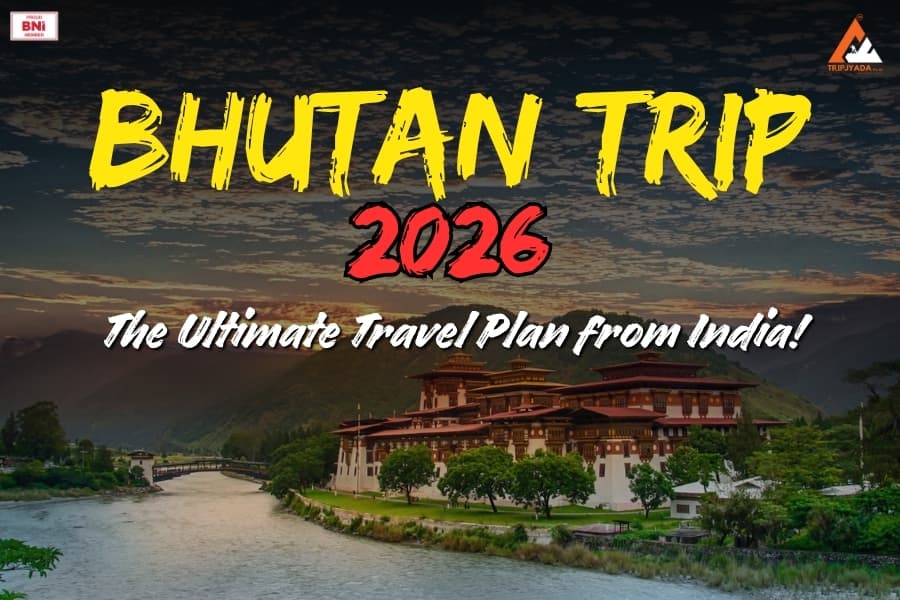
How to Plan the Perfect Bhutan Trip from India: A Step-by-Step Guide For Bhutan Tourism
Dreaming of Bhutan tourism? Planning the perfect Bhutan trip from India has never been easier. From the streets of Thimphu to the soothing valleys of Punakha and trekking to the iconic Tiger’s Nest in Paro, “The Land of the Thunder Dragons” awaits. Be it the ideal Bhutan weather or Bhutanese cultural depth that you’re seeking, […]
 Travel Guide
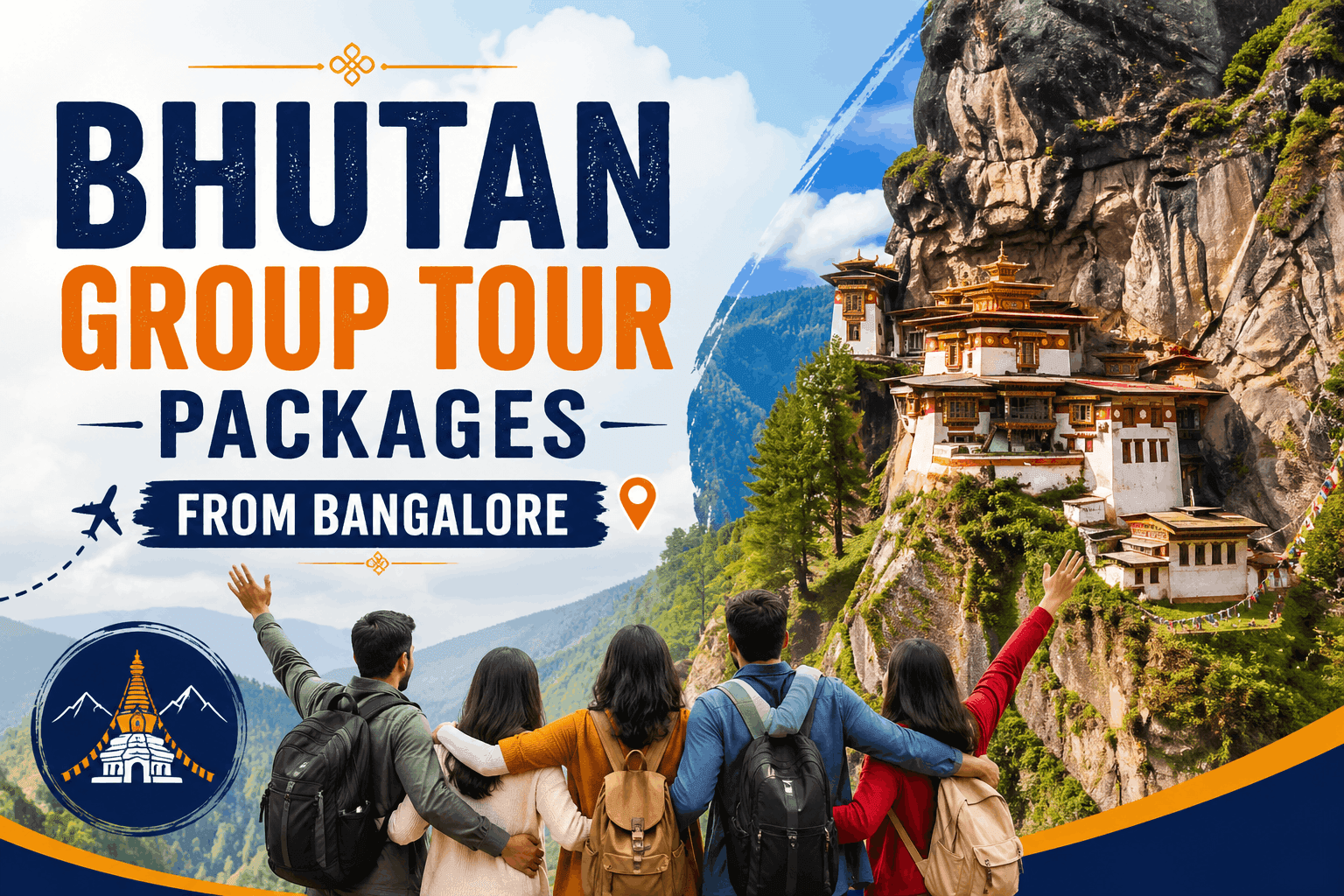
Bhutan Group Tour Packages From Bangalore With Tripjyada
Thinking of a trip to Bhutan from Bangalore? You’ve come to the right place, boss! Tripjyada brings you amazing Bhutan Group Tour Packages from Bangalore that’ll make your vacation super memorable. Whether you want peace of mind, beautiful mountains, or just want to explore something totally different, our Bhutan group tours have got you covered. Bhutan […]
 Travel Guide
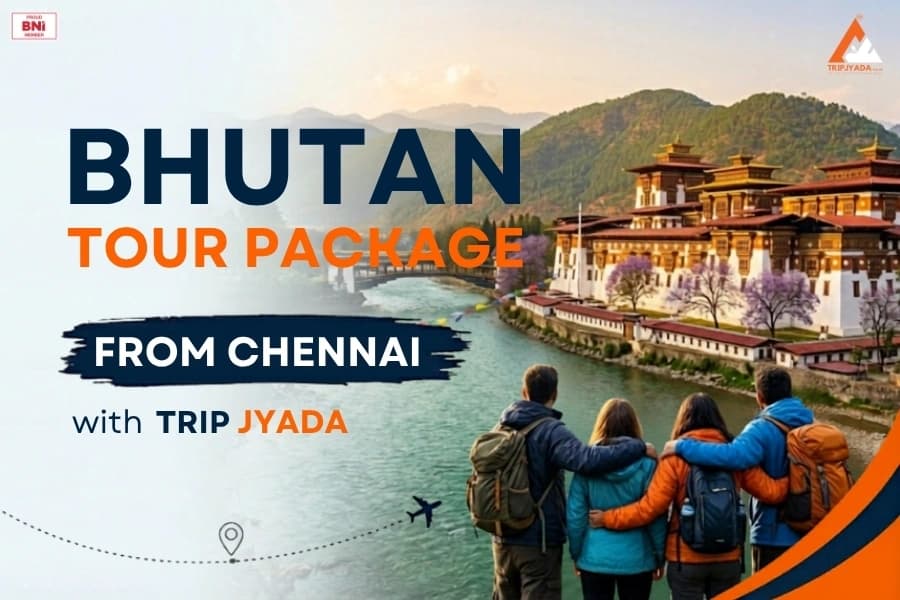
Bhutan Tour Package from Chennai with Tripjyada
Dreaming of misty Himalayan mountains, peaceful monasteries, smiling locals, and a country that proudly measures Gross National Happiness instead of GDP? Varaverkirom to Tripjyada, your perfect international gateway, begins with our Bhutan Tour Package from Chennai. This isn’t about ticking off destinations; it’s about watching sunrise over the Himalayas in silence, spinning prayer wheels in […]
 Travel Guide
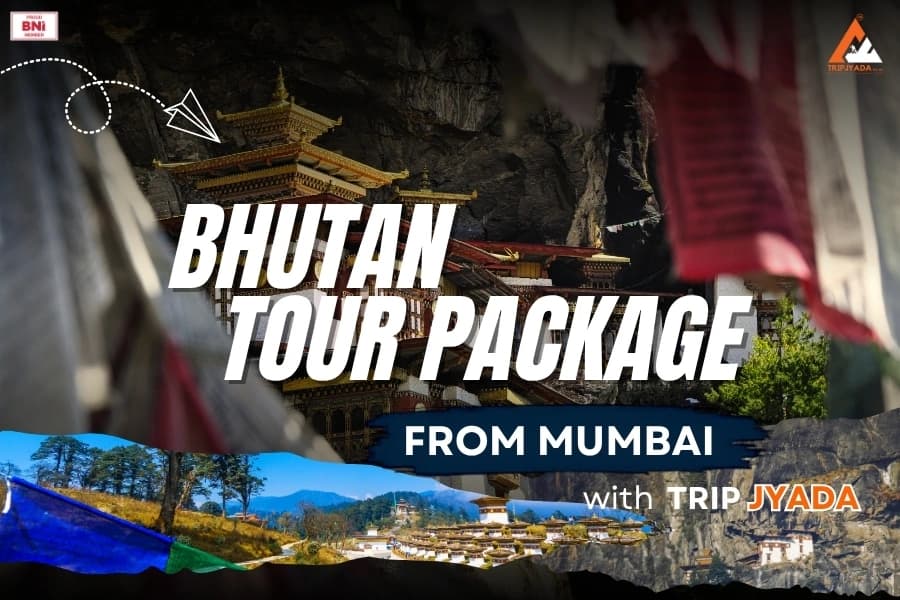
Bhutan group tour packages from Mumbai with Tripjyada
Namaskar Mumbai, welcome to Bhutan! Tripjyada brings you the best Bhutan group tour packages from Mumbai, designed to give you the perfect Himalayan escape. Explore stunning valleys, ancient monasteries, and the serene beauty of the Land of the Thunder Dragon with our customizable premium packages from ‘Aamchi Mumbai.’ Whether you’re planning a family vacation, a honeymoon, or […]
 Travel Guide
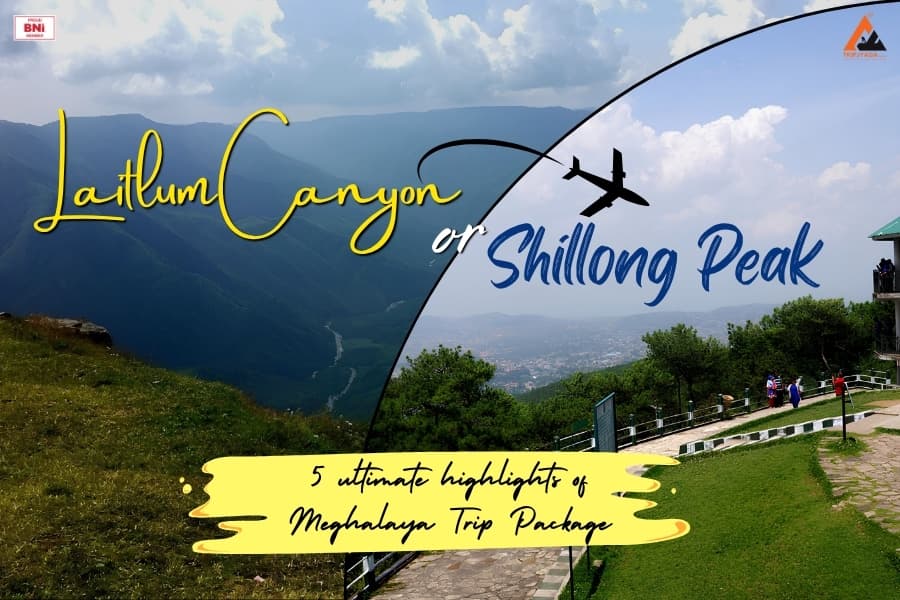
Laitlum Canyon or Shillong Peak: 5 Ultimate Highlights of Meghalaya Trip Package
Choosing your Meghalaya trip package and facing a dilemma about Laitlum Canyon or Shillong Peak? While Shillong Peak offers the most stunning panoramic view of the city, the “End of Hills,” Laitlum Canyon, presents the drama of misty cliffs. A perfect Meghalaya trip is incomplete without Shillong Peak & Laitlum Canyon. That’s where Tripjyada’s curated […]
 Travel Guide
Bhutan Group Tour Packages from Hyderabad with Tripjyada
Tripjyada presents the best Bhutan Group Tour Packages from Hyderabad, crafted to give you comfort, safety, and authentic experiences. From smooth airport transfers and premium vehicles to verified hotels, experienced local drivers, and complete Bhutan permit assistance, we handle everything so you can travel hassle-free and truly immerse yourself in the beauty of Bhutan. Whether it’s […]
 Dharmendra Blog Posts
Why Bhutan Feels So Peaceful Compared to Other Tourist Destinations
Why Bhutan feels so peaceful is something many travellers only truly understand after visiting the country themselves. In today’s fast-moving world, most people travel to escape stress, and strangely, many people return from vacations feeling even more tired than before. But Bhutan feels different almost immediately. The roads are quieter, mornings feel slower, and somehow […]
 Dharmendra Blog Posts
June Won’t Wait: Why This Is the Most Important Month for Sikkim, Darjeeling & Bhutan Travel
The best time to visit Sikkim is one of the most searched travel queries every summer, and the answer becomes clear: it’s in June. Along with Darjeeling and Bhutan, June transforms the Eastern Himalayas into a paradise of green valleys, cool weather, cloud-covered roads, and breathtaking mountain views. Every year, thousands of travelers wait for […]
 Dharmendra Blog Posts
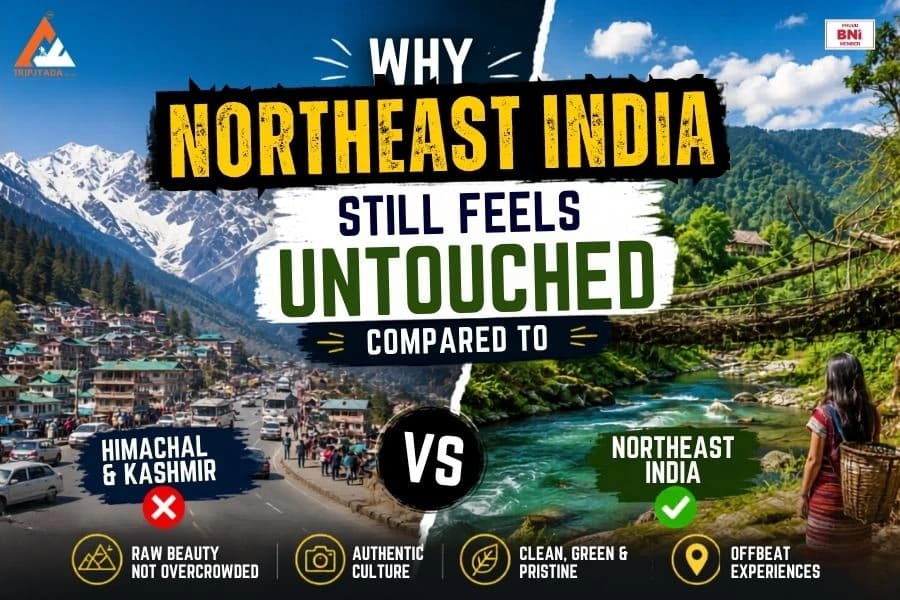
Why Northeast India Still Feels Untouched Compared to Himachal & Kashmir
Why Travelers Are Now Looking Beyond Himachal & Kashmir For years, destinations like Himachal Pradesh and Kashmir have dominated Indian travel bucket lists. From crowded cafes in Manali to packed tourist spots in Gulmarg, these places continue to attract massive numbers of travelers every season. But in 2026, a different side of India is quietly […]
 Travel Guide
Complete Guide to Bhutan’s Tshechu Festival
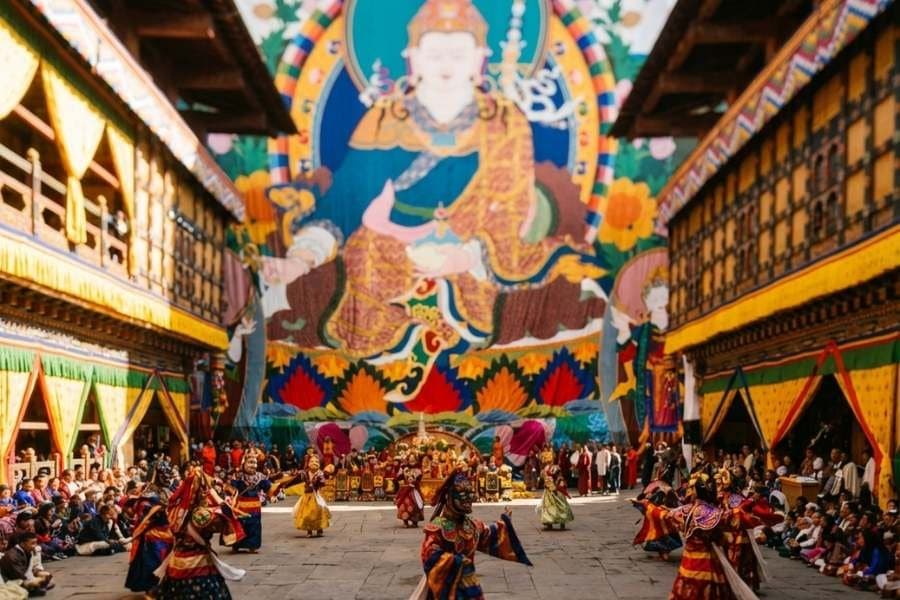
Experience Bhutan’s Tshechu Festival: The Perfect Trip from India Imagine the bite of the air, the smell of juniper smoke, and the vast crowd of spectators in their glowing silk robes, jammed into the stone courtyard of a 17th-century fortress, all of them staring at one wall, waiting for someone. Then a huge tapestry of […]
 Travel Guide
How to Plan a Sikkim Darjeeling Tour from Gujarat?
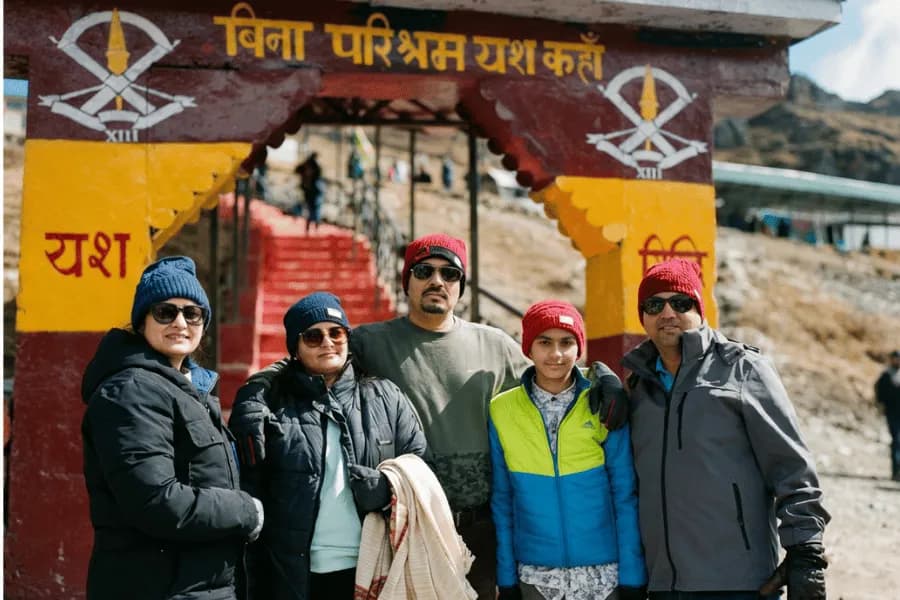
If you are from Gujarat and want to swap the flight highways with winding Himalayan roads, then you will be making one of the best travel decisions of your life. The day you were sipping chai in Ahmedabad’s 42°C heat, and 48 hours later you found yourselves wrapped in a shawl, watching the sunrise and […]
 Travel Guide
Tripjyada Pvt. Ltd. set to Connect with the Travel Industry at India’s Leading B2B Travel Events 2026
B2B Travel Events 2026: Building Partnerships That Drive Better Travel Experiences The travel industry has always been about people. Every successful holiday package, corporate trip, educational tour, or group departure begins with strong relationships between travel professionals who share a common goal: creating memorable experiences for travelers. While technology has transformed the way people plan […]
 Travel Guide
How to Book Bhutan Tour Packages from Mumbai: A Complete Guide
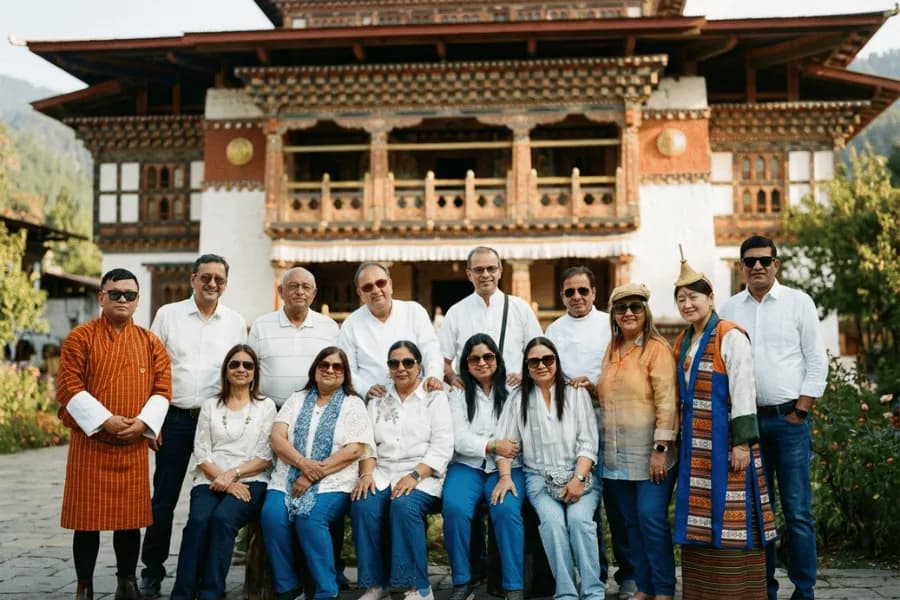
Here is something most people don’t know about Bhutan: before they land in Paro, the only carbon-negative country, its capital, Thimphu, has no traffic lights, and its national airport is so tricky to fly into that it is only favourable to a small handful of pilots worldwide who are certified to land there. You’ll know […]
 Travel Guide
Bhutan Tour Packages from Ahmedabad for Every Traveller
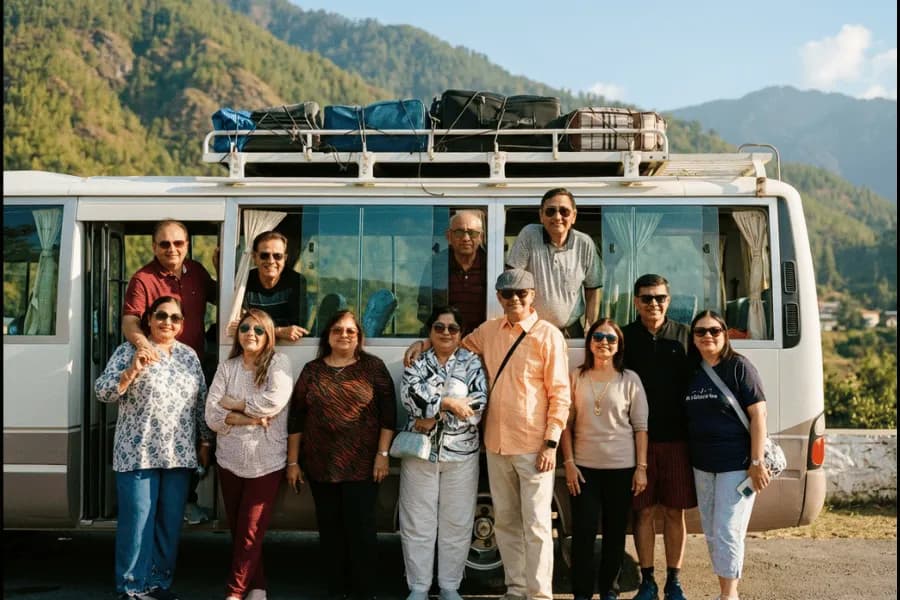
Bhutan, the last Shangri-La – there is a reason for it. Nestled between the giants of the Himalayas and Tibet, this tiny, magnificent kingdom has no traffic lights, a clean environment, no billboards, and most importantly, no crowds or rush. But it does have mountain passes festooned with prayer flags and monasteries clinging to cliffsides. […]
 Travel Guide
How to Choose the Best Bhutan Tour Operator for Your Trip
Bhutan is not a destination that you can just visit, but it is a country that you can be welcomed into through a licensed operator, a paid permit and a government-regulated system built to protect its culture and environment. That’s the reason why picking the best Bhutan tour operator is very important. In addition to […]