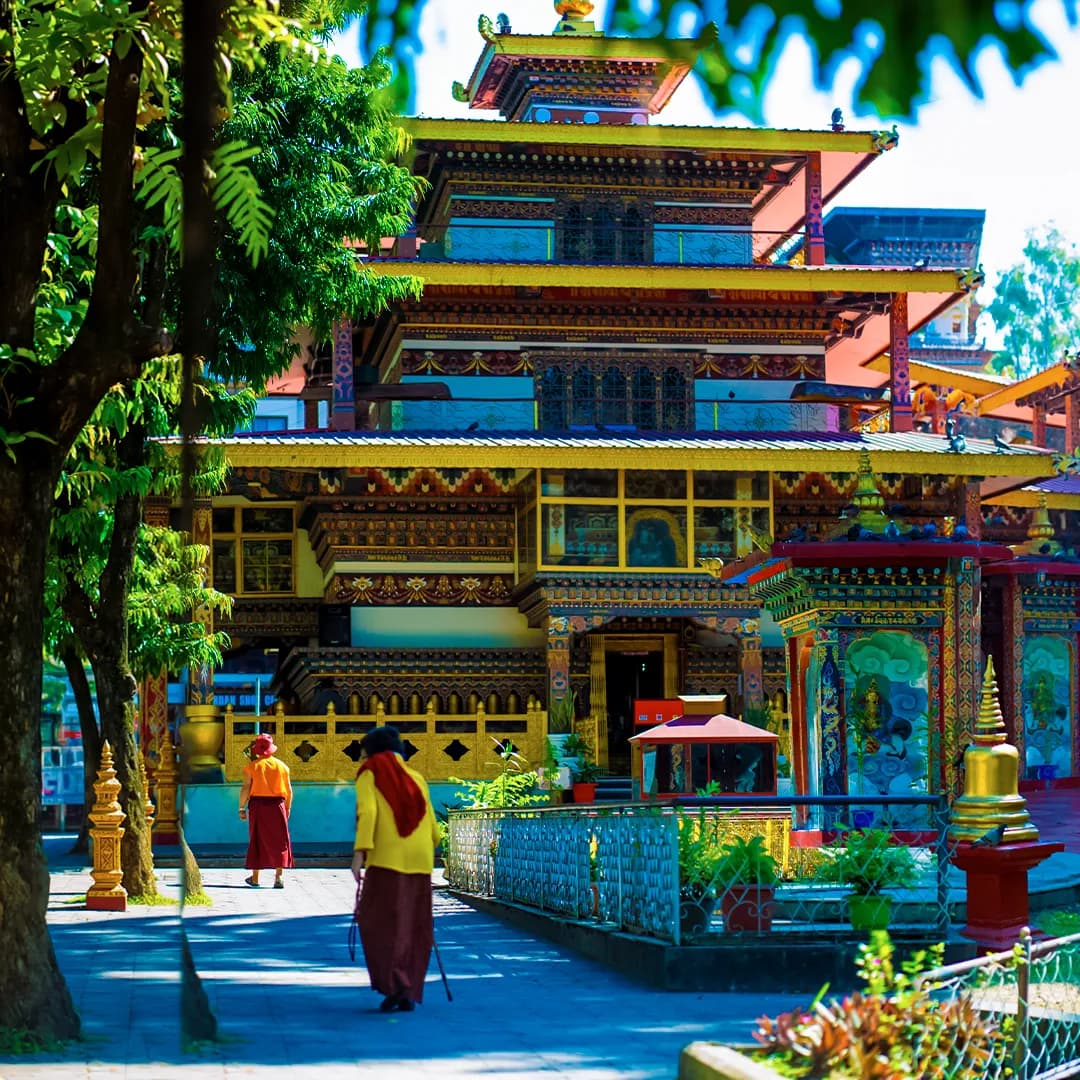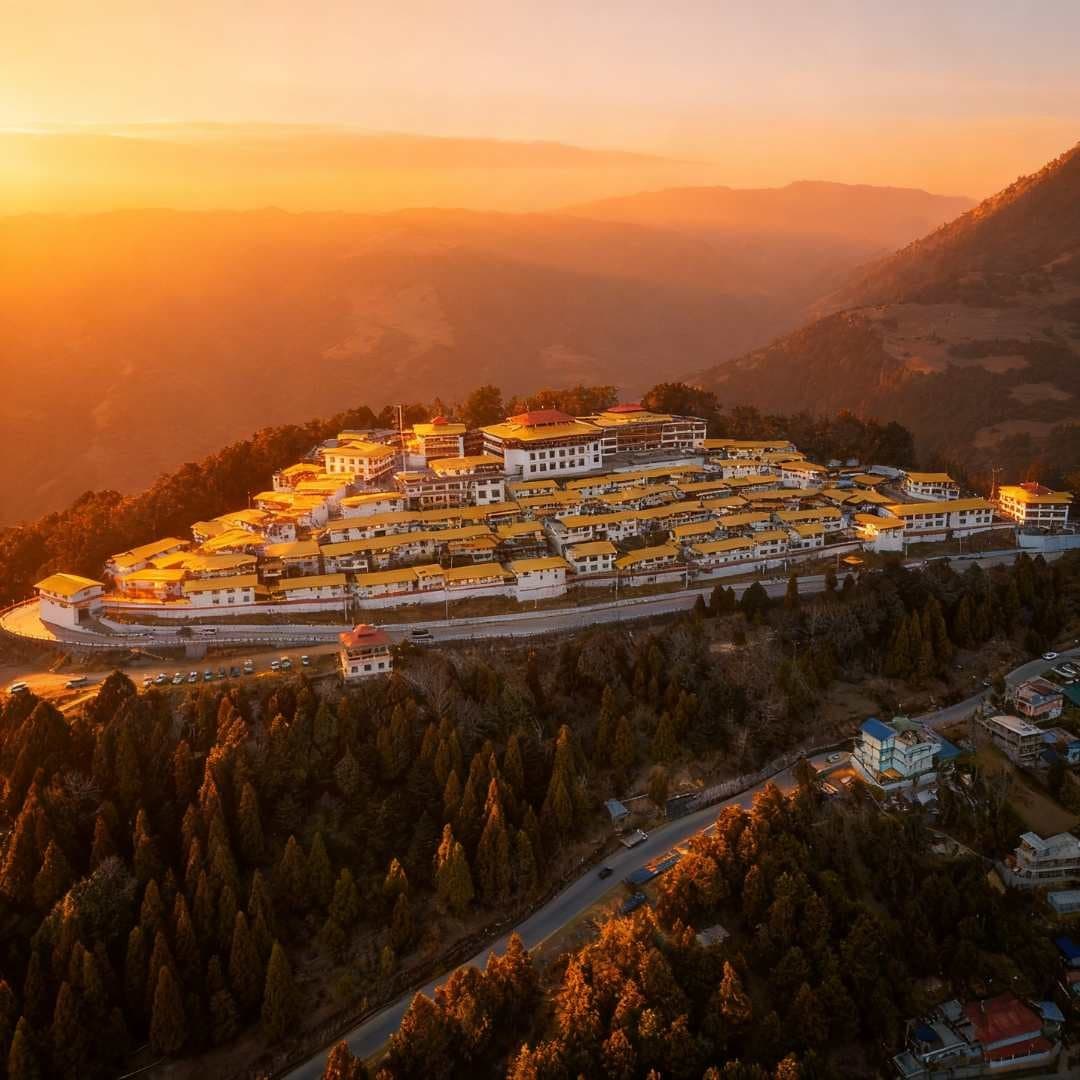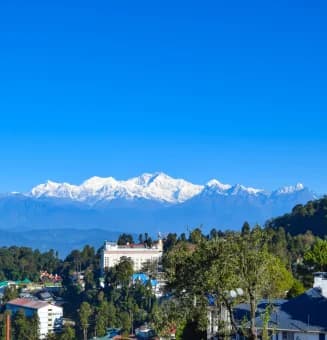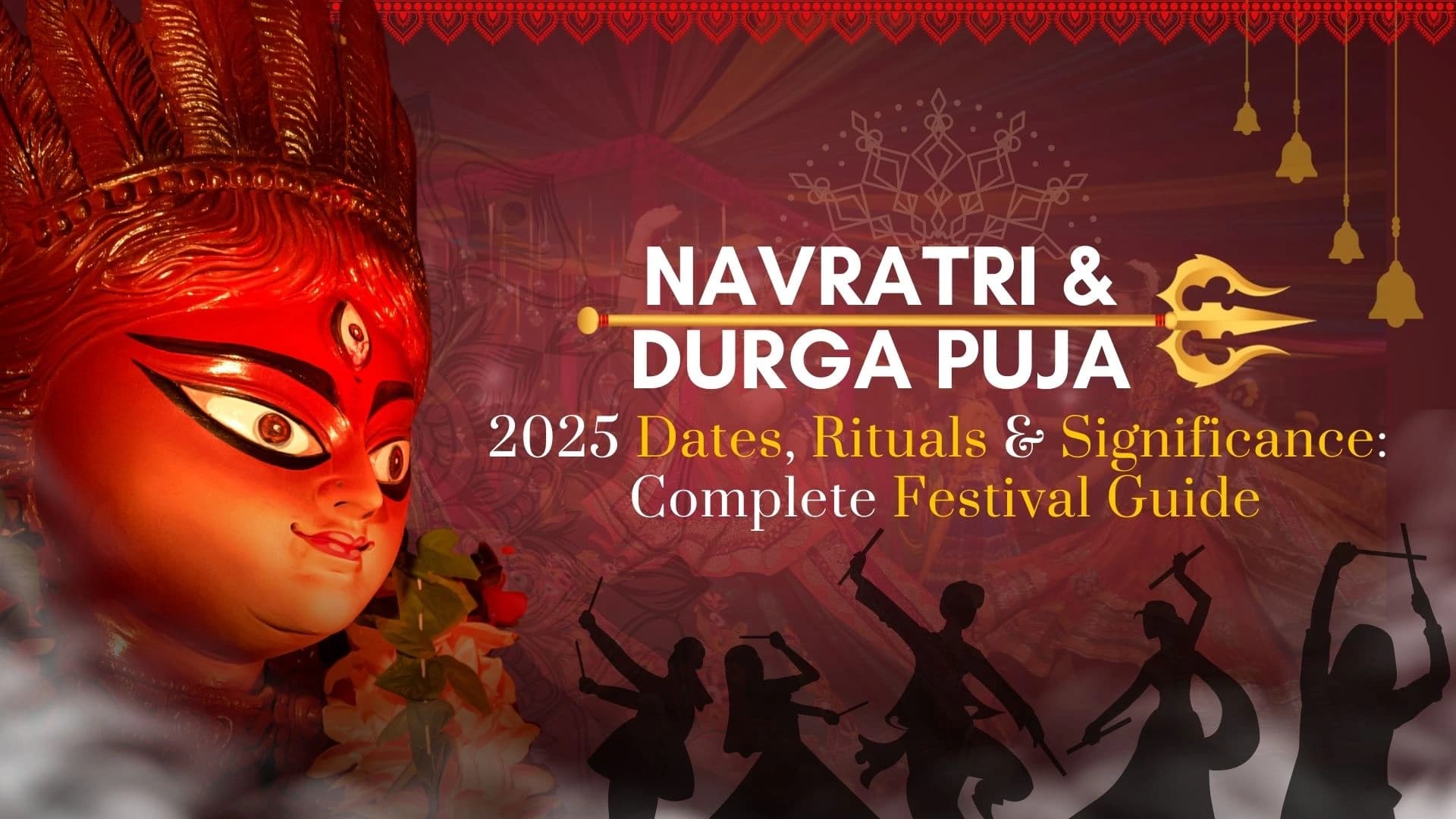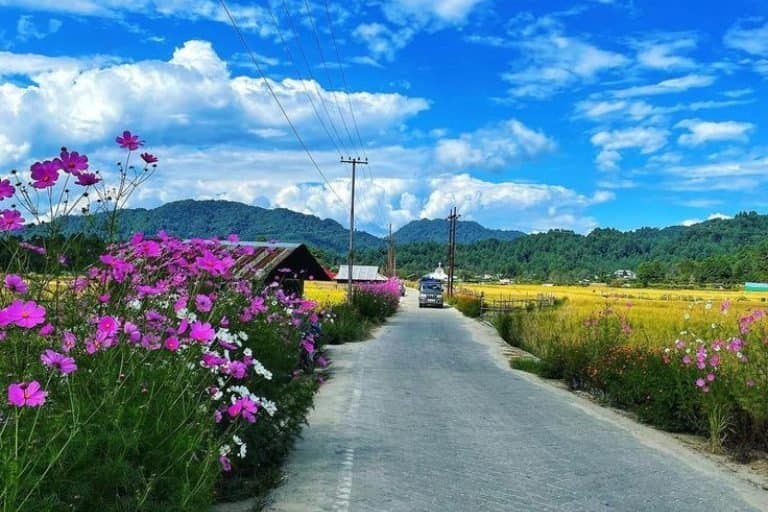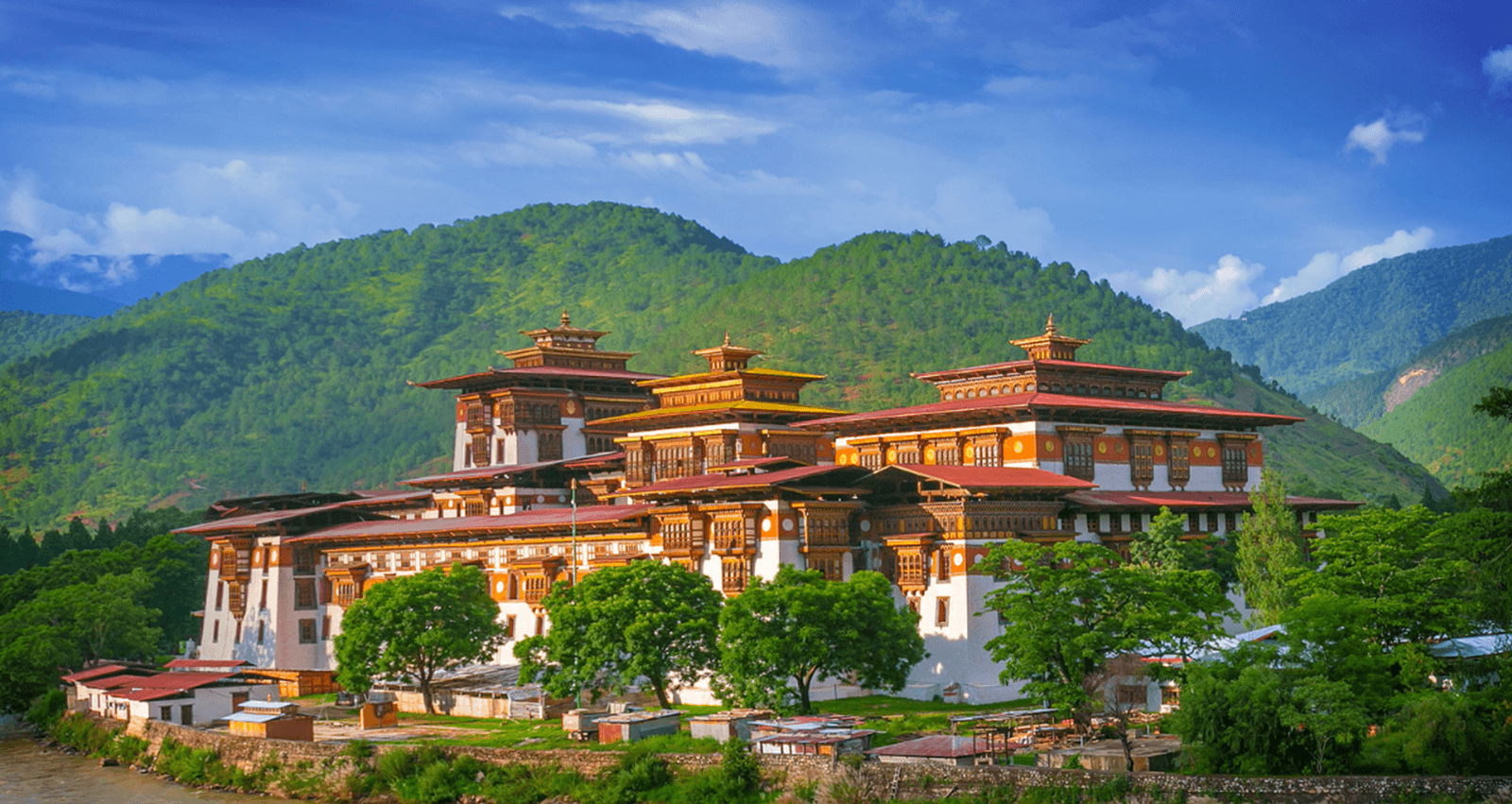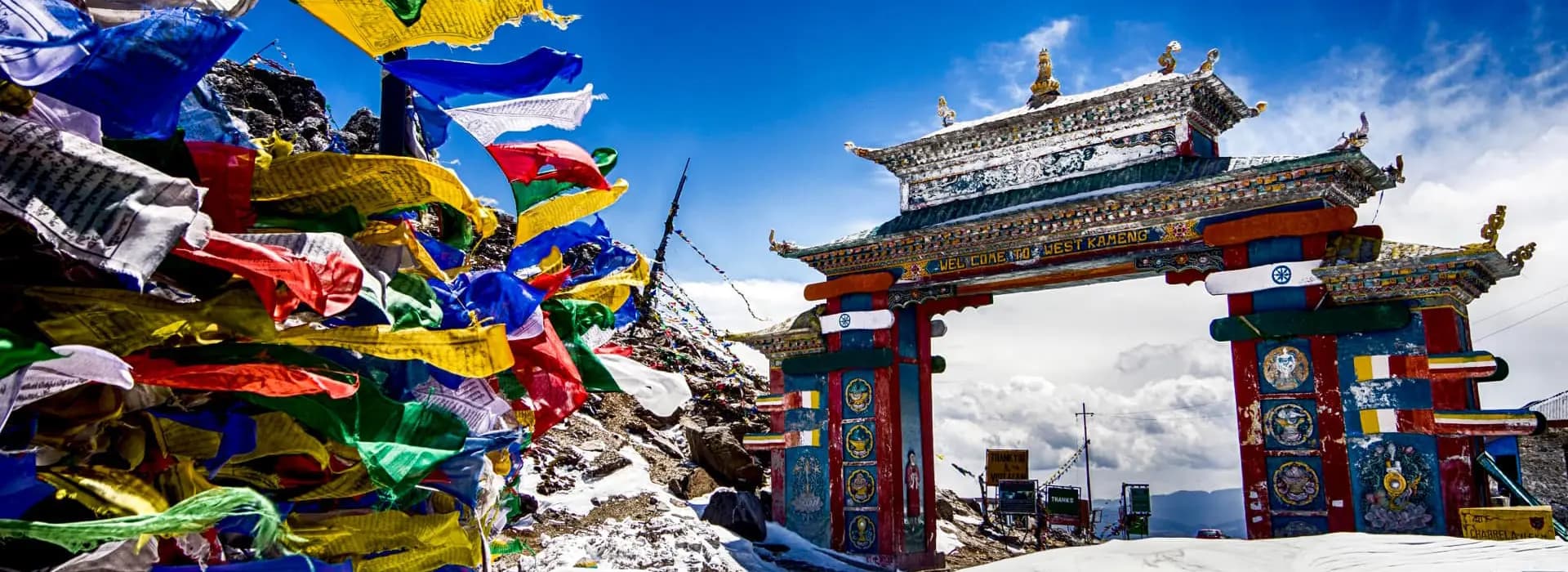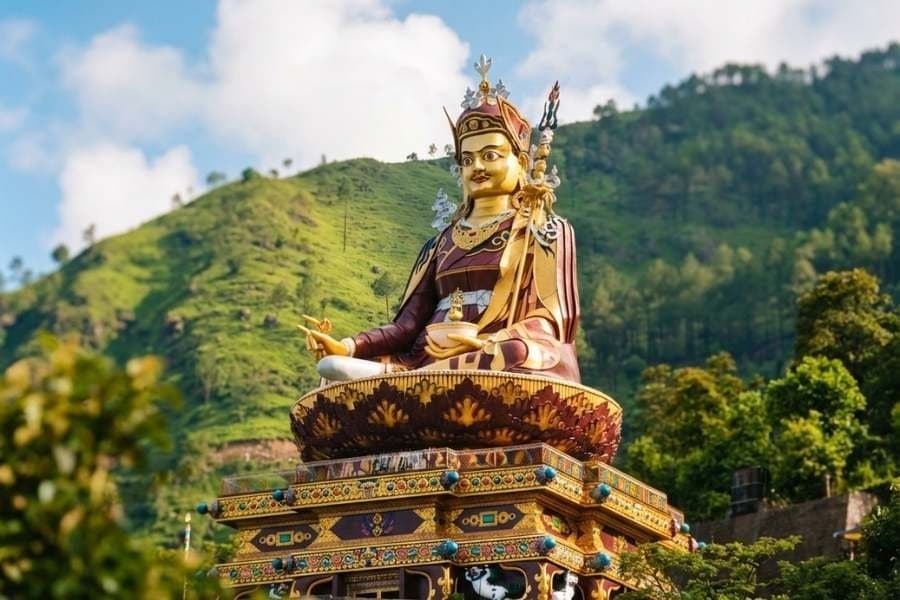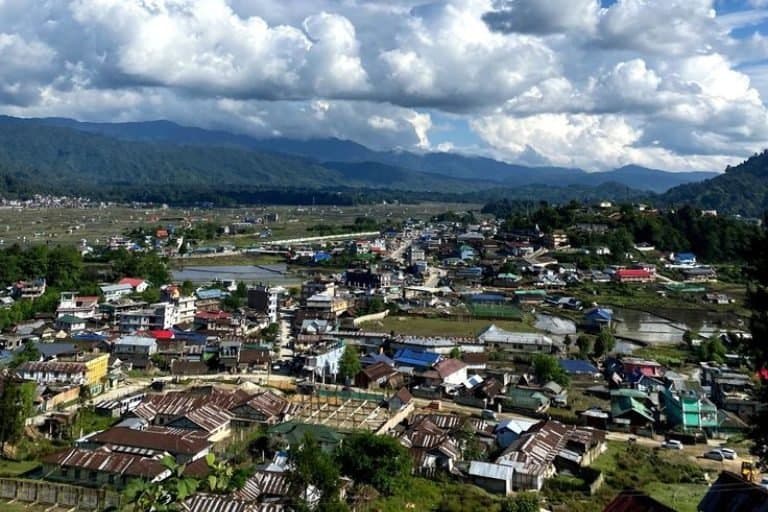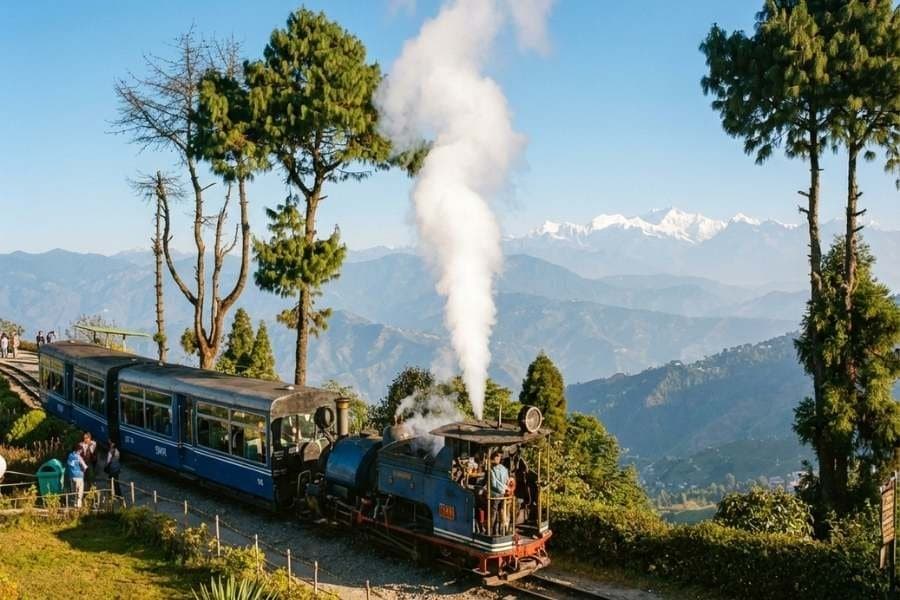
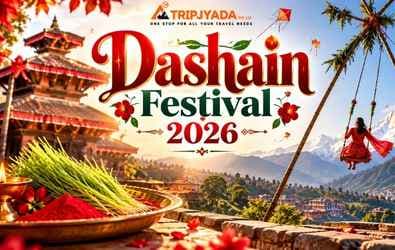
Every year, when the monsoon clouds clear and the Himalayan sky turns a deep, rinsed blue, the hills begin to change. Bamboo swings go up in village courtyards. Bazaars fill with new clothes. Families who have not met for months start planning the journey home. This is the Dashain festival, and if you have ever visited Darjeeling, Kalimpong, Gangtok or Siliguri in the festive weeks, you will know that the mood of the entire region lifts.
If you are searching for Dashain 2026 dates, the meaning of Dashain, or the best places to experience it, this guide covers everything in one place: what it is, why it is celebrated, how it began, where to celebrate it, and the community spirit that makes it special.
Dashain 2026 Dates at a Glance
Dashain follows the lunar calendar, so dates shift every year. For 2026, the key days are as follows:
The exact tika sait (auspicious time for applying tika) on Vijaya Dashami is announced by the Nepal Panchanga Nirnayak Samiti, and different sources have reported slightly different timings. Please confirm the time with your family priest or a reliable Nepali calendar before the day.
What Is Dashain?
Need Help Planning Your Tour?
Speak directly with Kolkata's trusted tour managers for free custom itineraries and quotes.
Dashain, also spelt Dasain and known as Vijaya Dashami, is the longest and most widely celebrated festival of Nepal. It is also celebrated with great devotion by Nepali-speaking Gorkha communities in Darjeeling, Kalimpong, the Dooars, Sikkim, Assam and across the world. The festival lasts fifteen days and falls in the Nepali month of Ashwin, usually in late September or October.
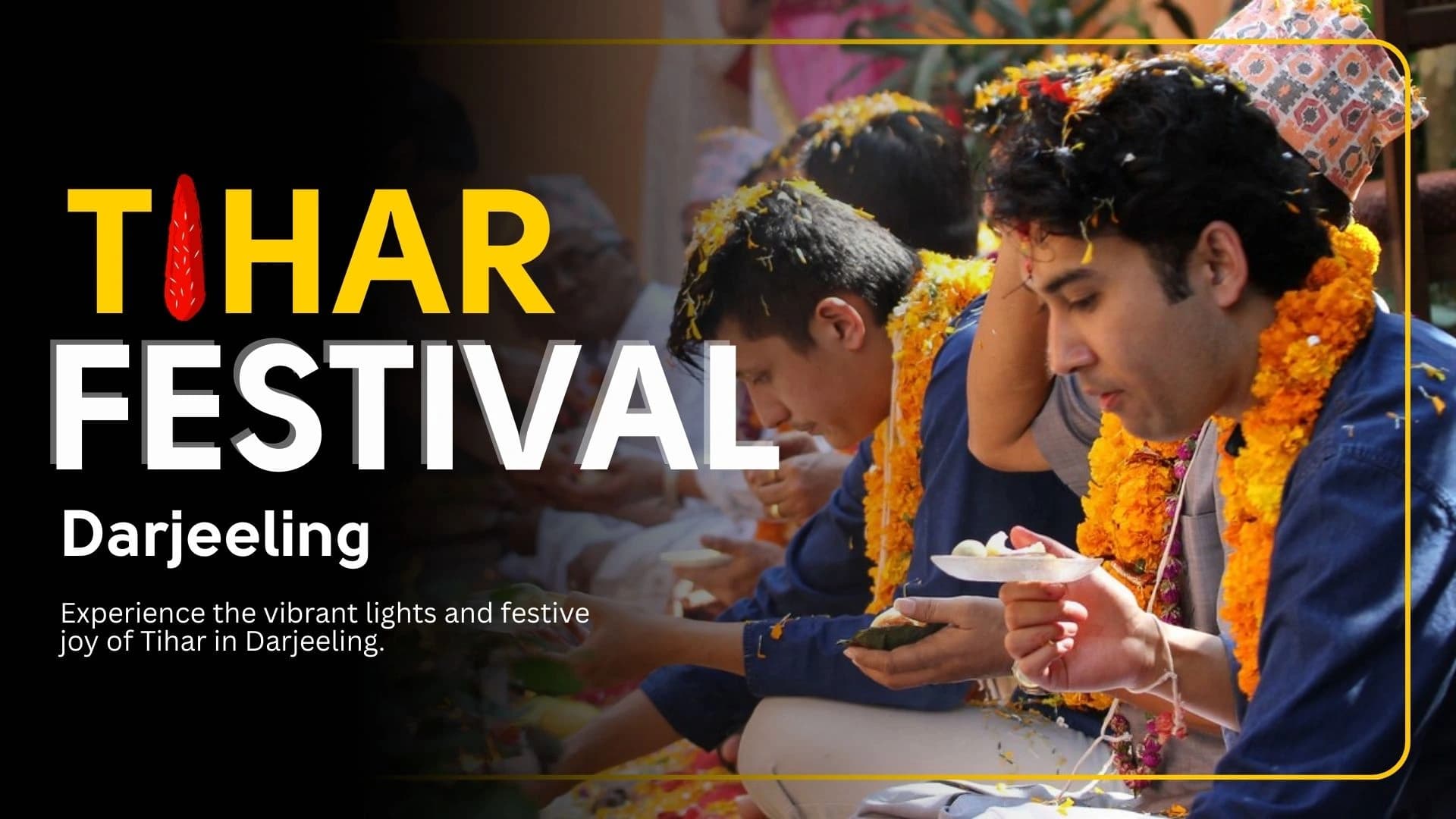
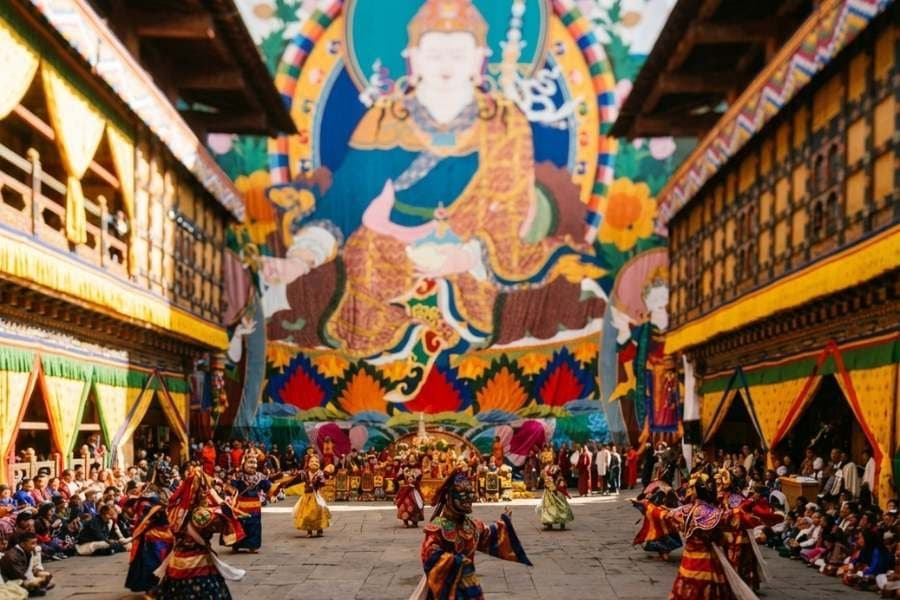
For many families, Dashain is what Diwali or Durga Puja is for others: a season of homecoming, blessings, feasting and renewal. Schools remain closed, offices slow down, and people working in other cities or countries travel back to be with their elders. The most important day is the tenth, Vijaya Dashami, when elders place a tika of rice, yogurt and vermilion on the foreheads of younger relatives and bless them with prosperity and protection.
Why Is Dashain Celebrated?
At its heart, Dashain celebrates the victory of good over evil. The festival honours the goddess Durga, the divine mother who represents shakti, or sacred power. According to Hindu tradition, the demon Mahishasura, armed with a boon that made him nearly invincible, terrorised the gods and the world. When no single god could defeat him, their combined energies created Durga, who fought the demon for nine nights and defeated him on the tenth day.
That is why Dashain begins with nine nights of worship, known as Navaratri, and ends with the victory day of Vijaya Dashami. Beyond mythology, the festival also marks the end of the monsoon and the arrival of the harvest season. It is a time to thank the land, repair relationships and take blessings from elders for the year ahead.
History of Dashain: How Did It Begin?
The roots of Dashain are layered, and different traditions tell the story in different ways.
The Durga story. The oldest and most widely told origin is the battle between Goddess Durga and Mahishasura, described in texts such as the Devi Mahatmya. This explains why the first nine days focus on goddess worship.
The Ramayana connection. In many parts of India and Nepal, Vijaya Dashami is also linked to Lord Rama's victory over Ravana, which is why the tenth day is regarded as a day of triumph across several regions.
Agricultural and royal traditions. Historians note that autumn was traditionally the season when kings and armies sought divine blessings before campaigns, after the rains had ended. In Nepal, the festival grew into a major state occasion with royal rituals and public blessings. Over the centuries, these customs moved from the palace into ordinary homes, and the tika ceremony became a family tradition for everyone.
Because Dashain blends faith, farming, history and family life, it has remained alive through generations.
The Fifteen Days of Dashain
Ghatasthapana (Day 1): A sacred pot filled with sand is installed in the prayer room and sown with barley seeds. These seedlings are called jamara and are watered every day.
Fulpati (Day 7): Flowers, leaves and jamara are carried in procession to honour Durga.
Maha Ashtami (Day 8): The most intense day of worship, with special rituals at Durga temples.
Maha Navami (Day 9): The last night of Navaratri, when tools, vehicles and instruments are worshipped.
Vijaya Dashami (Day 10): The main day. Elders apply tika and jamara and give dakshina, a small gift of money, to younger members.
Kojagrat Purnima (Day 15): The full-moon night that closes the festival, associated with goddess Lakshmi.
Between these days, families visit relatives, fly kites, play cards and share long, leisurely meals.
Where Is Dashain Celebrated?
- Nepal. Dashain is a national holiday in Nepal. In the Kathmandu Valley, temples such as Dakshinkali draw large crowds, and villages across Gorkha, Nuwakot and Pokhara hold their own ceremonies.
- Dashain in Darjeeling, Kalimpong and Siliguri. The Gorkha community of North Bengal celebrates Dashain with the same depth as Nepal. In Darjeeling and Kalimpong, you will find tika ceremonies, family gatherings and markets full of festive shoppers. Siliguri, as the gateway to the hills, becomes especially busy with people travelling home.
- Dashain in Sikkim. In Gangtok, Pelling, Namchi and the villages of West and South Sikkim, Dashain is among the biggest festivals of the year. Families host guests, and the festive mood spreads through the streets.
- Bhutan, Assam, Meghalaya and abroad. Nepali-speaking communities in southern Bhutan, Assam and other parts of the North East also observe the festival. Through migration and service in the Gorkha regiments, Dashain is celebrated in the UK, Hong Kong, Brunei, the Gulf countries and the United States.
Community, Family and the Spirit of Giving
What makes Dashain special for a traveller is the sense of community around the rituals. Elders are visited in order of seniority, and it is considered a matter of honour to receive tika from the oldest member of the family. Neighbours who have not spoken for months exchange greetings. Children receive their first festive money, and young adults travel long distances so that they do not miss the blessing.
Food brings everyone together. Families prepare festive meals with rice, dal, seasonal vegetables, sel roti (a ring-shaped rice bread) and, in many homes, meat dishes. Households with limited means are often supported by relatives and neighbours, so the spirit of the festival stays inclusive. Some communities observe animal sacrifice as part of tradition, while many temples and families now follow vegetarian or symbolic observances. Visitors are welcome to observe respectfully, and it is courteous to ask before photographing any ritual.
Planning a Trip During Dashain: Useful Tips
Book early. Cabs, hotels and homestays in Darjeeling, Kalimpong and Sikkim fill up fast, as many families travel at the same time.
Expect some closures. A few local shops and offices may remain shut on Vijaya Dashami.
Dress modestly when visiting temples and homes, and accept tika or prasad with your right hand if offered.
Enjoy the weather. October usually brings clear skies and good mountain views, which makes it one of the best months to visit the Himalayas.
Carry valid ID for permits, especially if your plan includes North Sikkim or Bhutan.
If you wish to experience the festive season in the hills, the Darjeeling, Kalimpong and Sikkim circuit is a rewarding choice. Explore our Darjeeling tour packages, Sikkim tour packages and Bhutan tour packages, or speak to our travel experts to plan your trip around the festival.
Frequently Asked Questions About Dashain
1. What is Dashain in simple words? Dashain is a fifteen-day Hindu festival celebrated mainly in Nepal and by Nepali-speaking communities in India and abroad. It honours goddess Durga and celebrates the victory of good over evil, with family gatherings, blessings and feasts.
2. What is the date of Dashain in 2026? Dashain 2026 begins on Sunday, 11 October with Ghatasthapana. The main day, Vijaya Dashami, falls on Wednesday, 21 October 2026, and the festival ends with Kojagrat Purnima on Sunday, 25 October.
3. Why is Dashain celebrated? It celebrates goddess Durga's victory over the demon Mahishasura. It also marks the end of the monsoon and the start of the harvest season, and is a time for family reunion and elders' blessings.
4. How many days does Dashain last? Dashain lasts fifteen days, from Ghatasthapana on the first day to Kojagrat Purnima on the full moon. The key days are the first, seventh, eighth, ninth and tenth.
5. What is the most important day of Dashain? Vijaya Dashami, the tenth day, is the most important. Elders apply tika and jamara to younger family members and give them blessings and dakshina.
6. What is tika and why is it applied in Dashain? Tika is a mixture of rice, yogurt and vermilion applied on the forehead. It symbolises the blessings, victory and protection that elders wish for the year ahead.
7. What is jamara in Dashain? Jamara is barley seedlings grown in a sacred pot installed on the first day. It is placed on the heads of family members at the end as a blessing, and it symbolises growth and good fortune.
8. Is Dashain celebrated in Darjeeling and Sikkim? Yes. Dashain is one of the biggest festivals in Darjeeling, Kalimpong, Siliguri and Sikkim, where large Nepali-speaking communities celebrate it with tika ceremonies, family feasts and gatherings.
9. Is Dashain the same as Dussehra? Both fall around the same lunar period and share the theme of good over evil, but the traditions differ. Dashain is longer, centres on goddess Durga and the tika ceremony, and is a major family festival in Nepal and among Gorkha communities.
10. Can tourists visit Darjeeling or Sikkim during Dashain? Yes. Visitors are welcome to observe the festivities respectfully. Book your cabs and stays early, as demand is high, dress modestly, and ask before photographing rituals or family ceremonies.
Plan Your Himalayan Trip with Tripjyada
Tripjyada Pvt. Ltd. is a Siliguri-based travel company that plans customised tours across Darjeeling, Sikkim, Bhutan and the North East. Call us on +91 95585 15518 or +91 90837 01454, or write to info@tripjyada.com, and we will help you plan a festive-season holiday.
More From the Blog
 Travel Guide
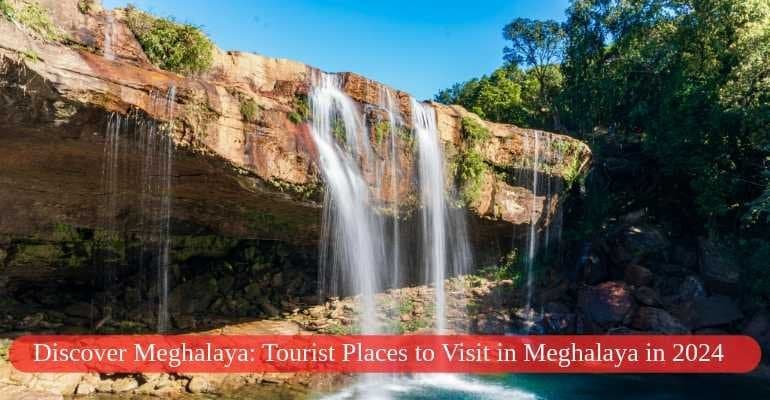
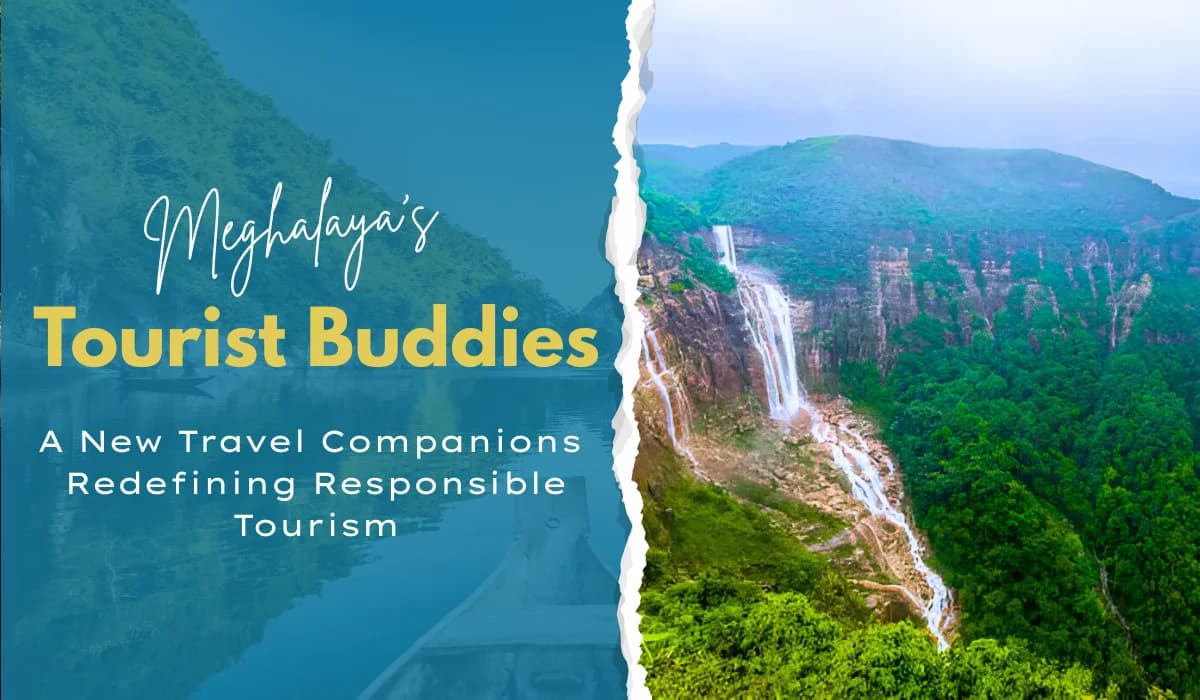
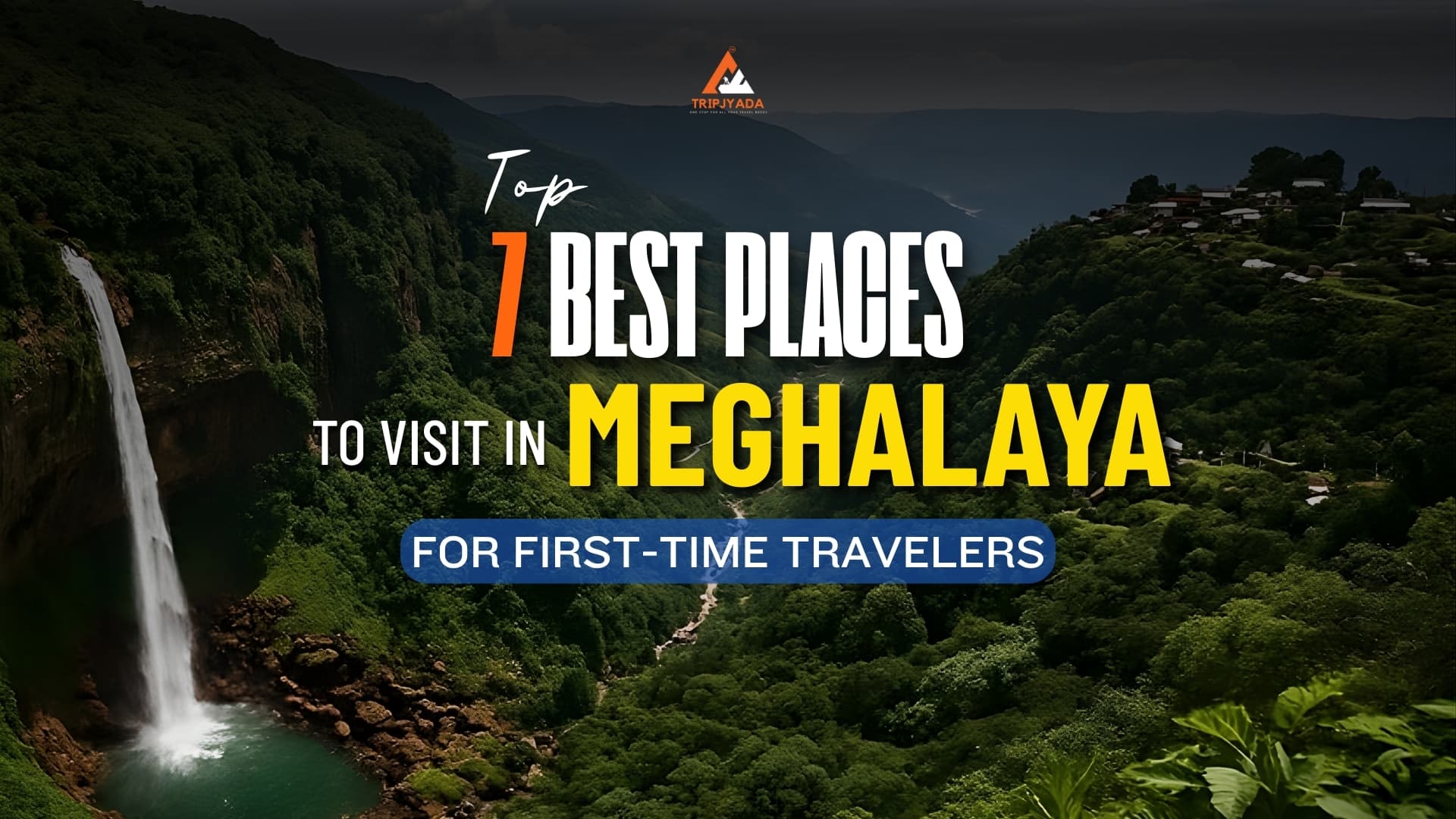
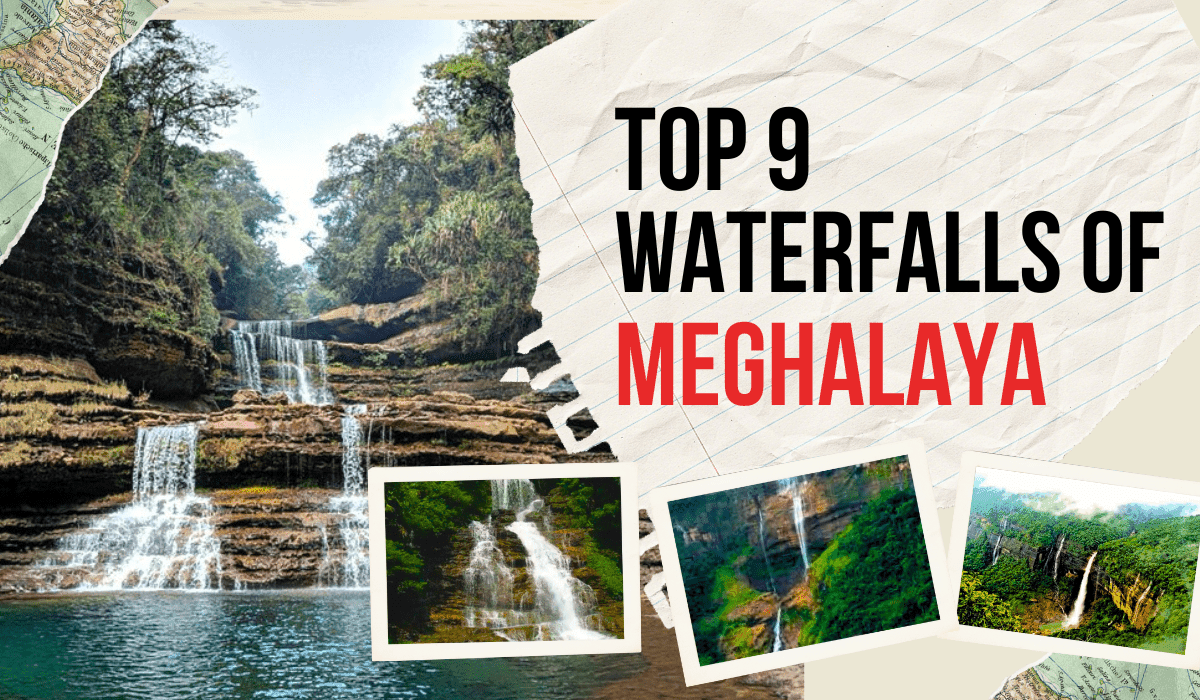
Meghalaya’s Waterfalls: Your Passport to Liquid Magic in Northeast India
Imagine yourself standing on a precipice, the roar of a thousand rivers singing in your ears, and the mist kissing your face. Down below, a pool of green so deep it seems like a portal has been crashed into by a shimmering water curtain. Rainbows fly across the spray like timid dancers, greetings from Meghalaya, […]
 Travel Guide
Swap Delhi’s Sweat for Sikkim’s Snow: The ultimate Delhi to Sikkim summer escape plan
Why live through Delhi’s summer when Sikkim’s glaciers are calling? Escape on a Delhi to Sikkim journey to a world of snow and cool Himalayan streams. While Delhi melts in 45 degrees, the rhododendrons of Sikkim are waking up in crisp 15 degrees. Swap your linens with layers with Tripjyada’s premium Sikkim tour packages that […]